
A Festival of Faith and Fertility
Before we talk food, let’s set the scene. The Ambubachi Mela, held annually at the Kamakhya Temple in Guwahati, Assam, is one of India's most significant religious festivals. It's often called the "Mahakumbh of the East." The festival celebrates the yearly
menstruation of the goddess Kamakhya, a powerful symbol of fertility and creation in the Tantric tradition. For four days, hundreds of thousands of devotees, sadhus (holy men), and spiritual seekers descend upon the temple grounds. The atmosphere is electric, a collision of intense devotion, esoteric rituals, and vibrant human connection. Understanding this spiritual backdrop is key, because the food served here isn't just for sustenance; it's an integral part of the pilgrimage, designed to purify the body and focus the mind.
Purity on a Plate: The Sattvic Diet
For a foodie accustomed to complex flavors, the Mela’s culinary landscape might seem counterintuitive. The prevailing rule is simplicity and purity. Most of the food is strictly vegetarian and follows sattvic principles—an Ayurvedic diet designed to promote calmness and clarity. This means no meat, fish, eggs, onions, or garlic. These ingredients are believed to be rajasic or tamasic, meaning they can agitate the mind or induce lethargy, respectively—states counterproductive to spiritual practice. Instead of being a limitation, this restriction gives rise to a creative and soulful cuisine. Cooks rely on ginger, fresh herbs, minimal spices, and pure ghee (clarified butter) to create dishes that are light, digestible, and deeply nourishing. It's a culinary reset button that aligns the body with the festival's spiritual intentions.
The Great Equalizer: Khichdi
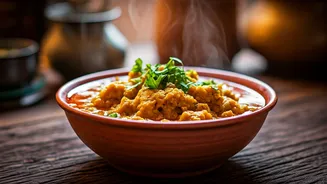
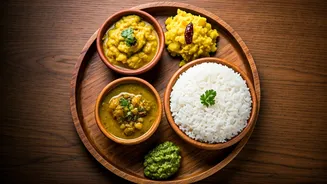
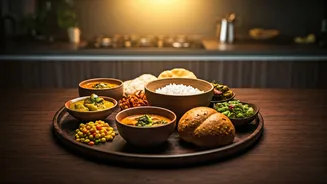
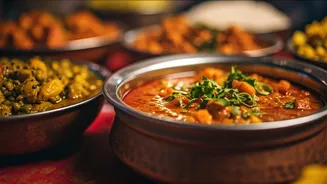
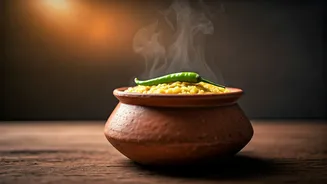
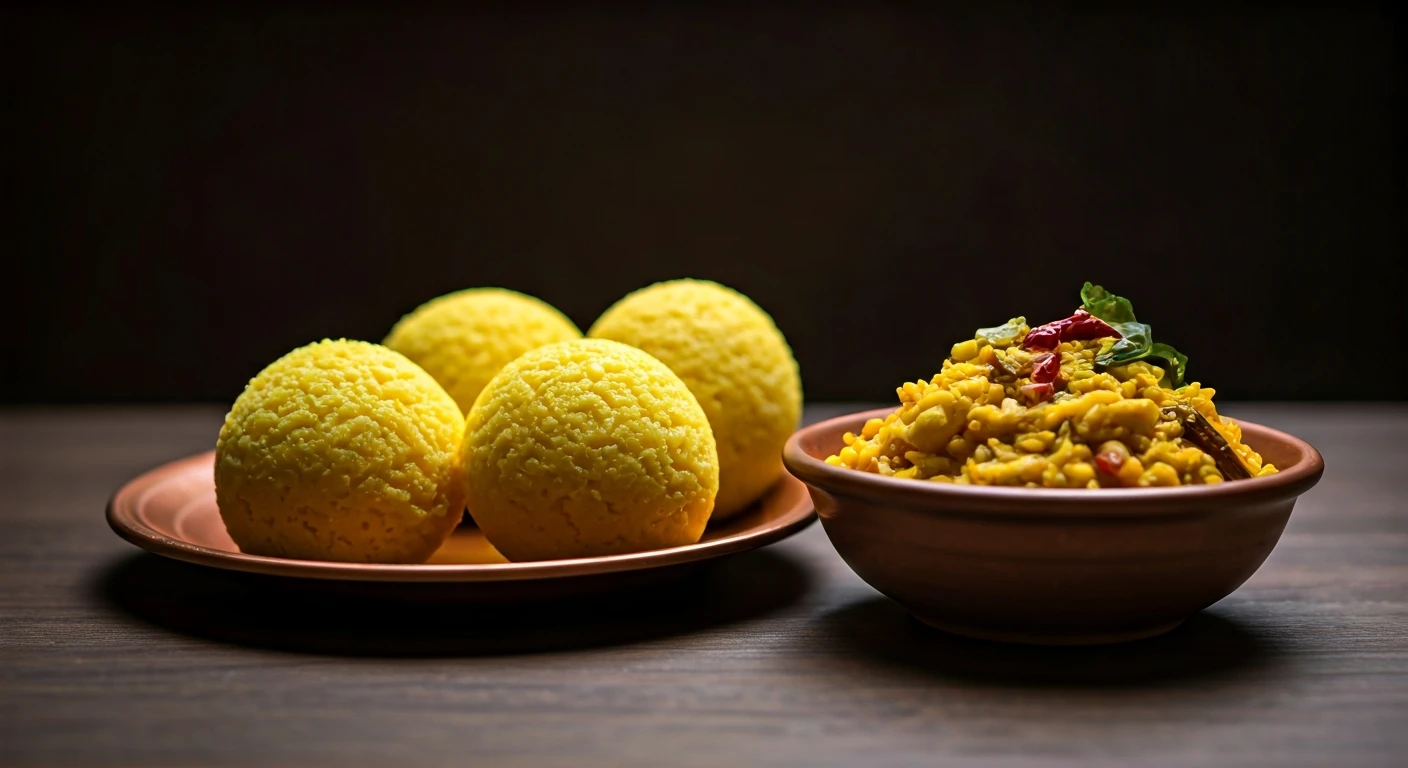
If one dish defines the Ambubachi Mela, it is khichdi. This humble porridge of rice and lentils is the festival's soul food. In massive makeshift kitchens known as 'langars,' volunteers work tirelessly, stirring colossal pots of khichdi to feed tens of thousands of people for free. It’s the great equalizer—a sadhu draped in saffron robes might be sitting next to a family from a nearby village, both savoring the same simple, steaming bowl. Often served with a side of 'labra,' a mixed vegetable curry, this meal is more than just calories. It's a symbol of community, selfless service (seva), and the shared human experience that lies at the heart of the Mela. The taste isn't explosive; it's subtle, warm, and profoundly comforting, a flavor that nourishes the spirit as much as the body.
Sweet Blessings and Street Snacks
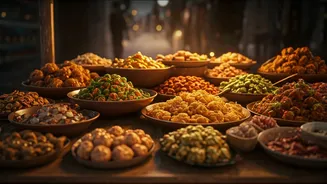
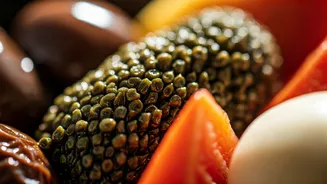
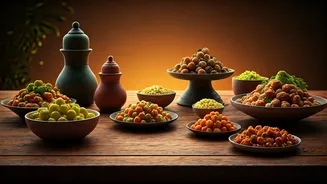
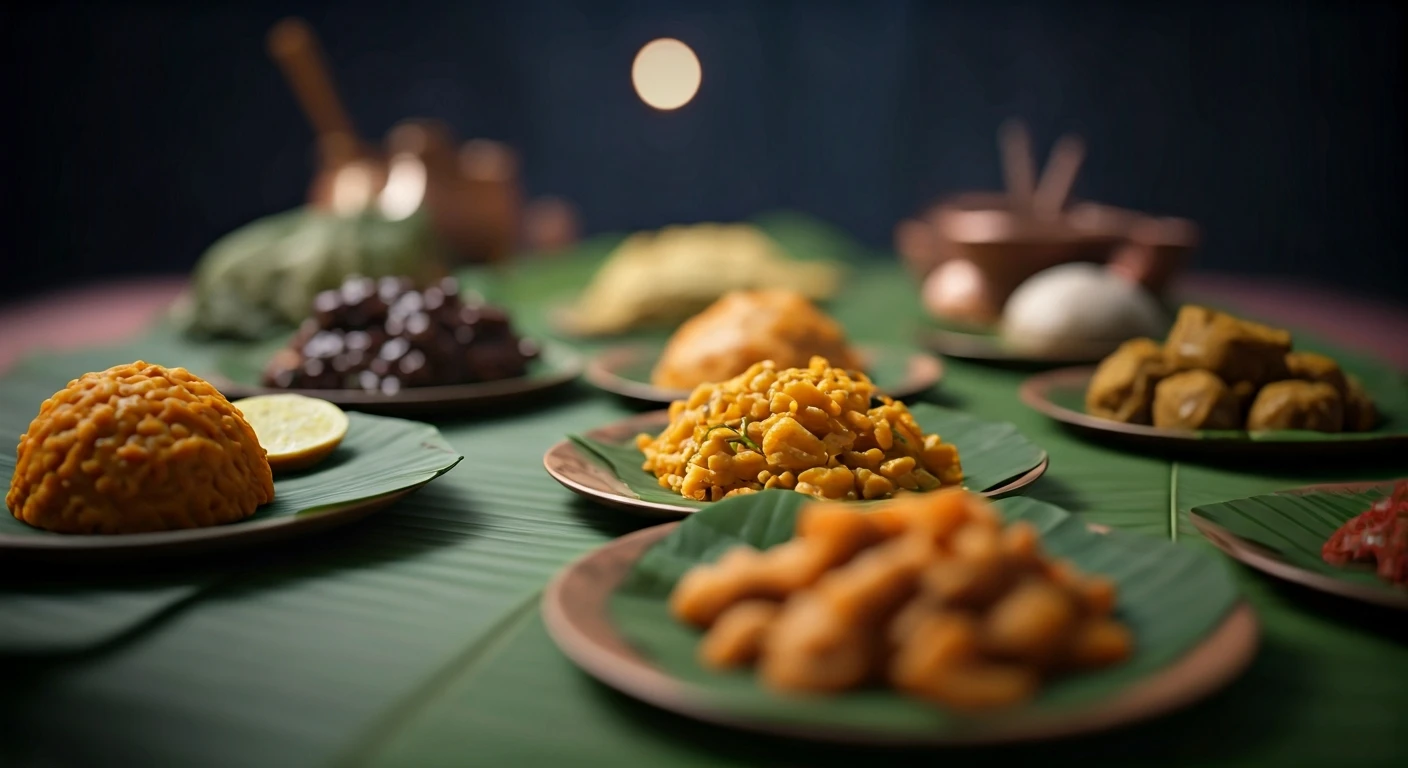
While khichdi is the main event, the foodscape is dotted with other simple pleasures. The streets and stalls around the temple offer a glimpse into Assam's local flavors, all adapted to the festival's dietary rules. You'll find vendors selling fresh-cut jackfruit, cucumbers, and other seasonal fruits—perfect for staying hydrated in the monsoon humidity. There's also a variety of Assamese sweets, particularly pithas, which are rice cakes that can be steamed, fried, or baked, and often filled with coconut or jaggery. These small treats serve as sweet blessings, little bursts of energy for pilgrims navigating the crowded temple complex. Like everything else here, they are typically simple, handmade, and offered with a sense of devotion.
Why It's a True Foodie's Dream
The headline's claim is bold, but it holds a deeper truth. The Ambubachi Mela might not offer a 10-course tasting menu, but it presents something far more rare: food that is completely integrated with its cultural and spiritual purpose. For the adventurous foodie, the dream isn't just about tasting new things; it's about understanding the 'why' behind the food. It’s about experiencing a culinary tradition where the absence of certain ingredients is a form of abundance, and the simplest meal can forge a connection between hundreds of thousands of strangers. This is food as communion, as ritual, and as an act of pure devotion.