




The Real Meaning of the '2026 Shift'
So, what exactly is this game-changing event? It’s the result of the Modernization of Cosmetics Regulation Act of 2022, or MoCRA. This is the most significant update to the FDA's oversight of the cosmetics industry since the 1930s. While MoCRA introduces
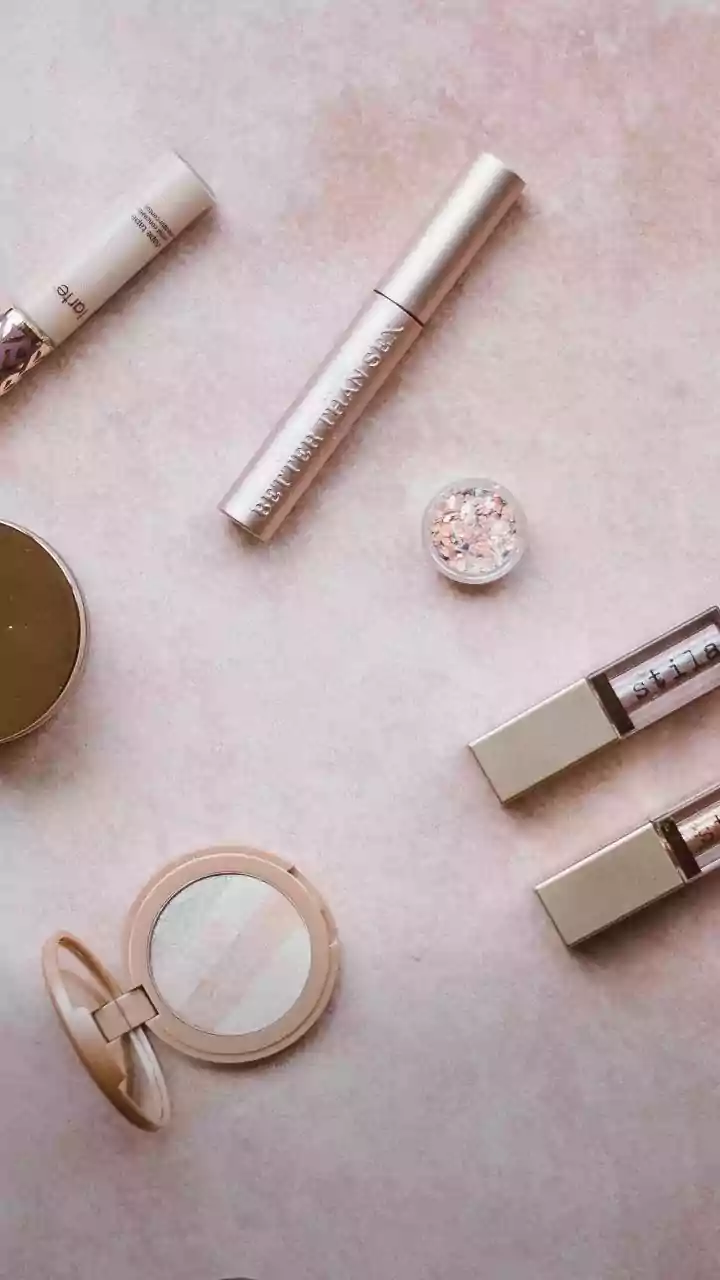
several new rules, the milestone grabbing headlines is a hard deadline: the complete ban on intentionally added PFAS in all cosmetic products sold in the U.S. by 2026. PFAS, or per- and polyfluoroalkyl substances, are a class of thousands of synthetic chemicals known as 'forever chemicals' because they don't break down easily in the environment or our bodies. They’ve been used for decades in everything from non-stick pans to firefighting foam. In cosmetics, they're often used to make products more durable, water-resistant, or spreadable. Think long-lasting foundations, waterproof mascaras, and, yes, certain conditioning and smoothing hair treatments. This ban represents a monumental step away from these questionable ingredients and toward a new standard of safety.
Why 'Forever Chemicals' Were in Your Hair Products
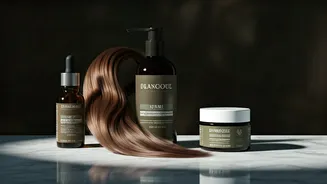
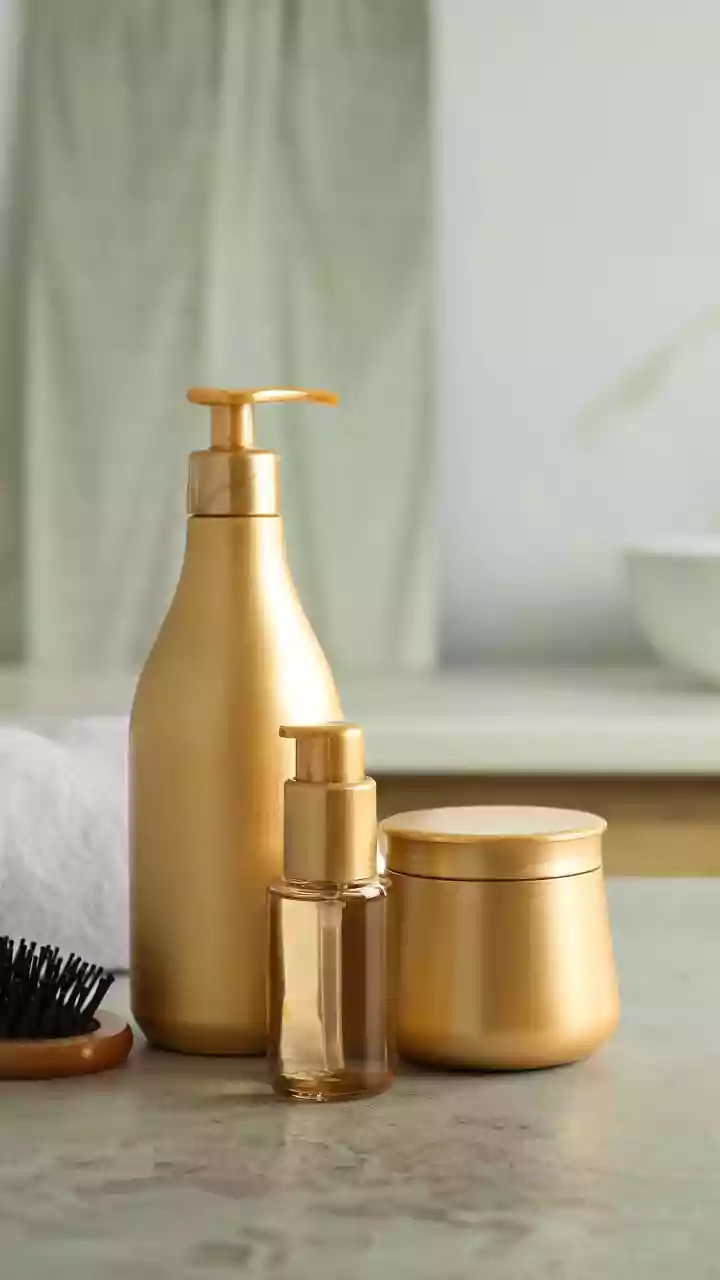
It might seem strange that chemicals with known health concerns would end up in a bottle of shampoo or conditioner. The answer lies in performance. Specific types of PFAS have been used in hair care to create a smooth, silky feel, reduce frizz, and provide a protective coating on the hair shaft. They can make a conditioner feel more luxurious or a styling product hold up against humidity.
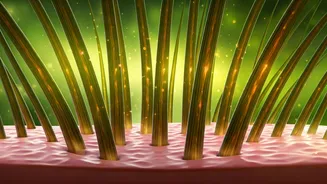
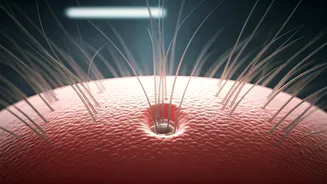
However, growing evidence has linked PFAS exposure to a range of health issues. When it comes to your head, the concern isn't just about the hair itself, but the scalp. Your scalp is porous skin, and applying products containing these chemicals raises questions about absorption. Furthermore, ingredients that create an impermeable film on the scalp can potentially clog follicles, disrupt the natural microbiome, and lead to irritation—the very opposite of a healthy foundation for hair growth.
Redefining 'Healthy Hair' From the Scalp Out
The 2026 shift forces a critical change in perspective: truly healthy hair begins with a healthy, respected scalp. Removing PFAS and other harsh chemicals isn't just about avoiding potential long-term risks; it's about creating a better environment for your hair to thrive in right now. A healthy scalp is balanced, free from chronic irritation, and has unclogged follicles. When you remove ingredients that can cause buildup and inflammation, you allow your scalp to function optimally.
This new era of formulation will push brands to innovate with safer, more biocompatible ingredients. Expect to see a rise in sophisticated, plant-derived silicon alternatives, scalp-soothing pre- and probiotics, and ingredients that work *with* your body's natural processes rather than trying to coat or suppress them. The result is hair that is not just superficially smooth but genuinely healthier from the root.
How to Get Ahead of the Curve Today
You don't have to wait until 2026 to start cleaning up your hair care routine. You can be a proactive consumer right now. The first step is becoming a more conscious label-reader. While PFAS can be hard to spot (they often hide under complex chemical names), you can start by looking for brands that are transparent about their formulations and explicitly state they are 'PFAS-free.'
Many forward-thinking brands have already removed these chemicals from their products. Look for certifications from third-party groups like MADE SAFE or Environmental Working Group (EWG) Verified, which screen for harmful ingredients. Prioritize products with shorter, more recognizable ingredient lists. And most importantly, shift your focus to scalp care. Incorporate a gentle clarifying shampoo once a week and look for products designed to soothe and balance your scalp, not just coat your hair strands.