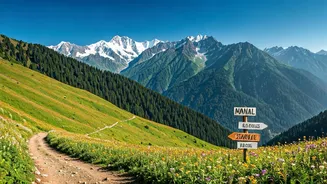





First, Where on Earth Is Kasol?
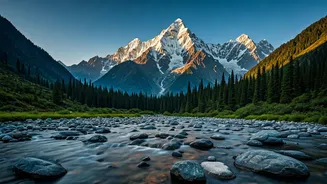
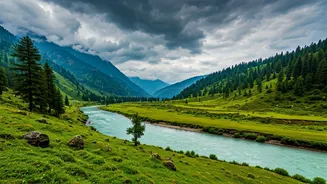
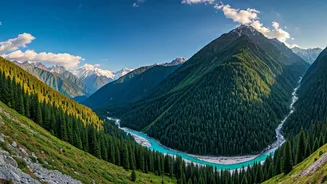
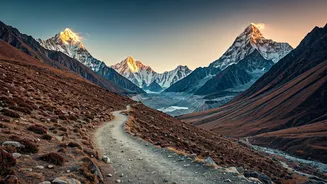
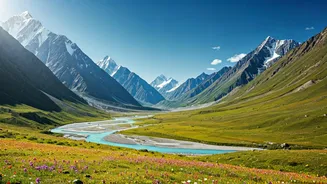
For most Americans, the name Kasol draws a blank, and that’s a core part of its appeal. Tucked away in the Parvati Valley in Himachal Pradesh, a northern Indian state cradled by the Himalayas, Kasol is a small village that has long been a haven for backpackers.
Historically a stop on the modern 'hippie trail,' it was known for Israeli travelers, psychedelic trance music, and a famously laid-back vibe, thanks in part to the region's renowned cannabis resin, or charas. But while that older identity still lingers in the cafes and guesthouses, a new wave has washed over this mountain town. Today, it's the unofficial capital for a generation of young Indian travelers, and increasingly, international wanderers looking for something more than a pre-packaged experience. Getting there isn't easy—it involves a long-haul flight to Delhi, then a grueling 12-hour overnight bus ride on winding mountain roads. The difficulty of the journey acts as a filter, ensuring that only the truly dedicated arrive.
Decoding 'Gen Z Mountain Energy'
So, what exactly is 'Peak Gen Z Mountain Energy?' It’s a multi-layered aesthetic and ethos that goes far beyond simply hiking. It’s about embracing a specific kind of rugged-but-curated dishevelment. Picture this: affordable, slightly worn fleece jackets, comfortable cargo pants, a beanie pulled down just so, and sturdy hiking boots that have seen some dirt. It’s less about brand-new, high-tech gear and more about functional, thrifted, or hand-me-down style that signals authenticity. The 'energy' is also about the mindset. It’s a conscious disconnection from the daily grind and a reconnection with nature and community, but with a digital-native twist. Unlike millennials who broadcasted their 'wanderlust' with pristine, aspirational shots, Gen Z’s approach is more about the 'photo dump'—a collection of blurry candids, stunning landscapes, a picture of a steaming cup of tea, and a video of friends laughing around a campfire. It's performatively un-performative; the goal is to prove you had a real, raw experience, not just a photogenic one.
The Perfect Match: Why Kasol?
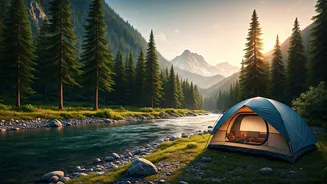
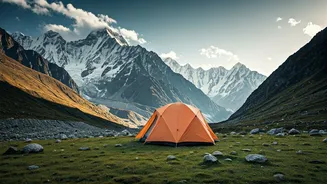
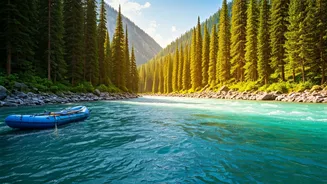
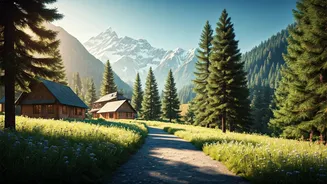
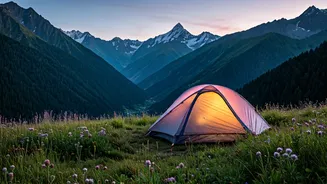
Kasol is the perfect incubator for this energy. The town itself is a launchpad. It’s not the final destination. The real prize is the network of trekking trails that spiderweb out from the valley. Routes to villages like Chalal, Tosh, and the famous Kheerganga hot springs trek are accessible, affordable, and offer immense scenic payoff. This is where the camping comes in. Instead of expensive hotels, the culture revolves around riverside campsites with basic tents, shared bonfires, and pop-up kitchens serving simple, soulful food like Maggi noodles and chai. This low-cost, high-experience model is perfectly suited to a generation that values experiences over possessions and is often working with a tighter budget. The ubiquitous cafes of Kasol provide the daytime social hubs, offering everything from shakshuka to apple crumble, allowing travelers to refuel, use Wi-Fi to upload their photo dumps, and plan the next day's adventure. The environment feels both wild and communal, a combination Gen Z finds irresistible.
More Than Just a Vibe
Ultimately, the rise of Kasol as a Gen Z touchstone signifies a broader shift in travel. It's a rejection of the hyper-commercialized, five-star luxury that defined previous generations' travel goals. This isn't about infinity pools or all-inclusive resorts. It's about finding meaning in the journey, however uncomfortable, and forging temporary communities with fellow travelers. It’s about a form of slow travel where the agenda is loose and the primary goal is to simply *be*. This trend prioritizes mental wellness, a sense of adventure that feels attainable, and building a personal narrative of resilience and discovery. While the hippie culture of the '70s sought to drop out of society, Gen Z's mountain energy is more about selectively logging off to recharge before plugging back in. They aren't dropping out; they're finding a better way to live within the system, one mountain adventure at a time.