







It’s a Mission, Not Just a Paycheck
More than any generation before, Gen Z seeks purpose in their work. Raised in an era of acute climate awareness and social consciousness, they are drawn to careers that offer tangible solutions to big problems. Urban farming checks all the boxes. It’s
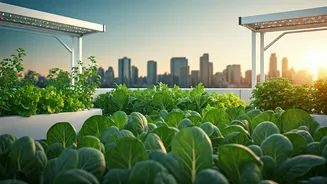
a direct response to concerns about food miles, carbon emissions, and unsustainable agricultural practices. Working in a vertical farm or a community greenhouse isn’t just about growing lettuce; it’s about actively participating in a more sustainable food system. This alignment of personal values with professional life is a powerful motivator, making urban agriculture feel less like a job and more like a calling.
Technology Is at Its Core
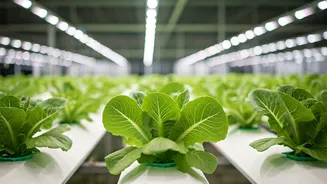
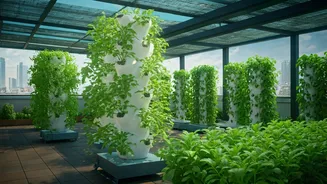
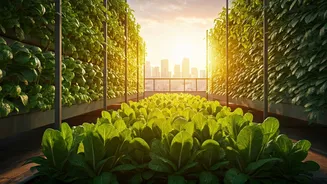
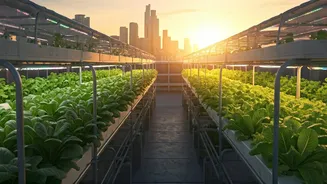
The stereotype of farming as low-tech, back-breaking labor couldn’t be further from the reality of modern urban agriculture. Today’s indoor farms are marvels of engineering, relying on hydroponics, aeroponics, and sophisticated climate control systems. Operations are often managed through software, with data analytics used to optimize light, water, and nutrient levels for maximum yield. For a digitally native generation that grew up with smartphones, this fusion of nature and technology is a natural fit. They can apply their tech-savviness to a hands-on field, using apps to monitor crop health or programming automated systems. It’s a career that engages both the mind and the hands.
The Impact Is Visible and Local
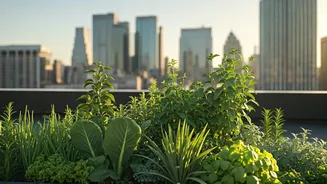
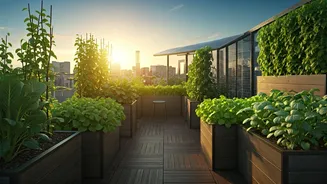
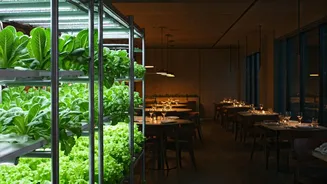
While working for a large corporation can feel abstract, the results of urban farming are immediate and close to home. An urban farmer can see the produce they grew being sold at a local market or delivered to a neighborhood restaurant. This direct connection to the community provides a powerful sense of accomplishment. Furthermore, many urban farms are established in “food deserts”—areas with limited access to fresh, affordable produce. For Gen Zers passionate about social equity, a career in urban farming becomes a tool for addressing food injustice and improving public health on a block-by-block basis. The ability to make a visible, positive change in one’s own community is a significant draw.
It Offers an Entrepreneurial Path
The urban agriculture sector is still relatively young and decentralized, creating fertile ground for innovation and entrepreneurship. Unlike established industries with rigid corporate ladders, urban farming offers a chance to experiment, build something new, and even start your own business. A small-scale hydroponic operation can be launched in a repurposed shipping container or a warehouse basement. This startup-like environment appeals to Gen Z's entrepreneurial spirit and desire for autonomy. The field is ripe for new business models, from direct-to-consumer subscription boxes to specialized B2B sales of gourmet herbs to local chefs. It’s a frontier where a good idea and hard work can still make a big splash.
A Redefinition of the Workplace
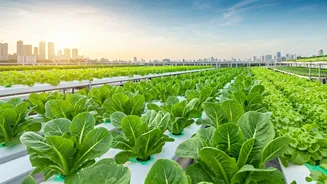
After witnessing the burnout and disillusionment associated with traditional 9-to-5 office culture, many young people are looking for alternatives. Urban farming offers a dynamic, non-traditional work environment. The 'office' might be a greenhouse filled with natural light or a high-tech vertical farm humming with equipment. The work is physical but often not grueling, varied, and directly tied to a natural cycle. It rejects the monotony of staring at a screen all day in favor of a more holistic and engaging professional life. This appeal of a different, more grounded way of working is a quiet rebellion against the corporate grind that has defined previous generations.