



The Glow-Up of the Protein Shake
Remember the old-school protein shake? It was the stuff of grimacing bodybuilders in dimly lit gyms, a chalky, clumpy concoction of whey powder and water shaken violently in a leaky plastic bottle. The goal was pure utility: cramming in grams of protein to
fuel muscle repair. Taste, texture, and certainly aesthetics were distant afterthoughts. It was a functional, unglamorous tool for a niche community. That era is definitively over. Today’s protein sip is a different beast entirely. It’s sleek, smooth, and often comes in ready-to-drink bottles with minimalist branding that wouldn't look out of place in a design museum. Flavors have evolved from basic chocolate and vanilla to cafe-inspired cold brews, fruity concoctions, and dessert-like treats. The ingredients have diversified, too, with a booming market for plant-based options made from pea, soy, or almond protein, catering to a broader, more conscious consumer base. This transformation from a gritty supplement to a gourmet beverage is the foundation of its new role in our culture.
Proof of Effort, Evolved
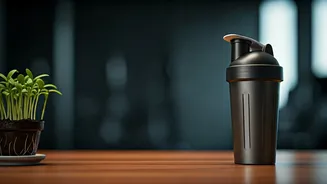
For years, the post-workout brag was visual and direct: a mirror selfie showing off a pump, a screenshot of a running app displaying impressive mileage, or a triumphant pose at the top of a hiking trail. But as wellness culture has matured, so has its etiquette. Overtly showing off one's body can feel dated or even problematic in conversations around body neutrality. Humility, or at least the performance of it, is now in vogue. Enter the protein sip. Posting a picture of your artfully held shake is a more subtle, sophisticated way to say, “I just worked out.” It’s a coded message. It doesn’t scream for validation about physical appearance; instead, it whispers about discipline, consistency, and a commitment to self-care. The drink becomes a prop that validates the unseen effort. It’s the receipt for the hard work you just put in, neatly packaged and ready for its social media close-up.
Wellness as a Personal Brand
In a world where our identities are increasingly curated online, our choices are signifiers of our values. The brands we wear, the food we eat, and the way we spend our free time all contribute to the personal brand we project. The protein shake fits perfectly into this paradigm. Sipping a specific brand of plant-based protein drink signals not just that you’re health-conscious, but that you’re a certain *type* of health-conscious person—one who is informed, mindful, and likely willing to invest a premium in their well-being. This isn't just about fitness anymore; it's about belonging to the broader tribe of wellness. That tribe values optimization, clean living, and the quiet pursuit of being your 'best self.' A protein drink is an accessible entry point and an easy symbol of that identity. It’s less demanding than mastering a perfect yoga handstand and more tangible than talking about your meditation practice. It’s a simple, consumable badge of honor.
The Market That Built the Brag
This trend wasn't an accident; it was manufactured. Beverage companies are acutely aware of the power of Instagram aesthetics. The packaging of new-wave protein drinks is intentionally photogenic. The clean lines, pastel colors, and elegant fonts are designed to be shared. Brands know that every time someone posts their product, it’s a free, authentic-looking advertisement that does more to build brand affinity than a traditional ad ever could. The global ready-to-drink protein beverage market is exploding, valued in the billions and projected to grow significantly. This growth is fueled by consumers outside the traditional bodybuilding demographic—busy professionals, wellness-focused millennials, and everyday people looking for a convenient, healthy option. By making protein drinks delicious, accessible, and beautiful, companies created a product that people are not just willing to buy, but proud to display.