


What Is Biophilic Design, Really?
The term sounds academic, but the concept is instinctual. Coined from “biophilia,” which means a love of life and the living world, biophilic design is a way of creating spaces that systematically connect us to nature. It’s far more than just scattering
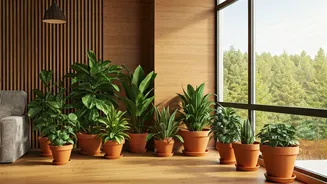
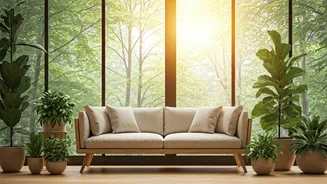
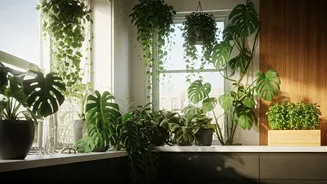
a few houseplants around. True biophilic design incorporates natural elements in a holistic way to improve our psychological and physiological well-being. This includes maximizing natural light, improving airflow, using materials like wood and stone, and even mimicking the shapes and patterns found in the natural world. Think of a room with a large window overlooking a garden, furnished with unpainted wood tables and linen curtains that move with the breeze. It’s about creating an ecosystem, not just an aesthetic.
From Tech Campuses to Your Target Cart
For years, the most visible examples of biophilic design were aspirational and expensive. Think of the Amazon Spheres in Seattle, a massive glass dome filled with a multi-story tropical jungle for employees, or the lush, plant-filled lobbies of five-star hotels. These projects cemented the idea that connecting with nature indoors required a significant budget. But a cultural shift, accelerated by the pandemic, has changed the equation. With more time spent at home and a greater collective focus on mental health and wellness, demand for nature-inspired living has surged. Mass-market retailers have taken note. Stores like IKEA, West Elm, and even Target now feature affordable furniture made from rattan and light-colored woods, textiles with botanical prints, and décor in earthy, organic shapes. The trend has moved from a top-down luxury statement to a bottom-up consumer demand.
Start with Light and Air
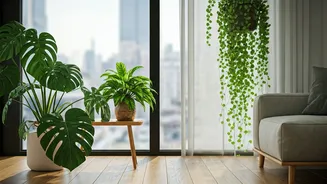
The most fundamental—and free—elements of biophilic design are light and air. Start by assessing your home’s natural light. If you have heavy, dark curtains, consider swapping them for sheer, light-filtering ones that provide privacy without blocking the sun. Place a mirror on the wall opposite your largest window; it will bounce light around the room, making the space feel brighter and larger. Next, focus on airflow. Whenever possible, open windows on opposite sides of a room to create a cross-breeze. This simple act not only freshens the air but also provides a subtle connection to the outdoor environment through sound and temperature changes. Even this small, intentional act can reduce feelings of stagnation and confinement.
Embrace Natural Materials and Textures
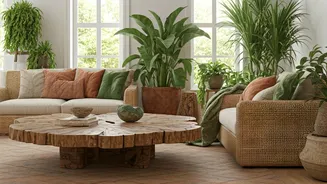
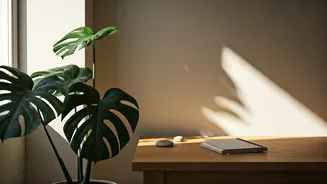
You don't need marble countertops or a reclaimed timber feature wall to tap into the power of natural materials. The key is incorporating a variety of textures that feel good to see and touch. Look for affordable items like jute or sisal rugs, which bring a raw, earthy element to the floor. Woven baskets are perfect for storage and add a handmade touch. When it comes to textiles, prioritize natural fibers like cotton, linen, and wool for throw blankets and pillows. Even small décor items can make a big impact. A set of slate coasters, a terracotta pot for a plant, or a smooth river stone used as a paperweight can introduce natural, tactile elements into your daily life without breaking the bank.
Bring Nature In, Directly and Indirectly
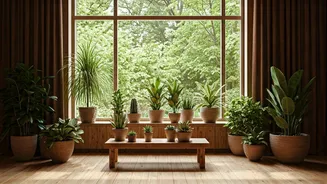
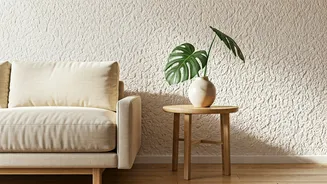
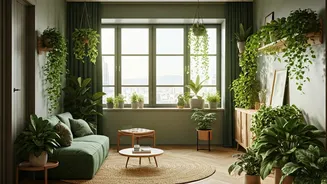
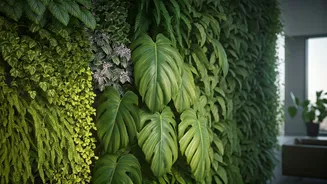
Of course, plants are a wonderful part of biophilic design. But if you don't have a green thumb, there are other ways to create a visual connection to nature. This is known as an 'indirect' connection. Hang a large, high-quality photograph or print of a landscape you love—a forest, a beach, or a mountain range. Studies show that even images of nature can lower stress levels. You can also incorporate natural patterns, or 'biomorphic forms.' Look for pillows with a leaf motif, a rug with a wave-like pattern, or a lamp with a base that mimics the shape of a tree branch. These subtle cues trick our brains into feeling the same sense of calm and fascination we experience when observing the complexities of the natural world.