


Redefine “Cooking” for Summer
First, let’s reframe the goal. Summer cooking isn’t about complex, multi-hour oven roasts or simmering stews. It’s about celebrating peak-season produce that requires very little manipulation to be delicious. “Smarter” summer cooking means maximizing
flavor while minimizing thermal output. This approach not only keeps your home more comfortable and your energy bills lower, but it also often leads to healthier meals that are quicker to prepare. Think of it as an alliance with the season. Instead of fighting the heat with air conditioning blasting, you’re working with it, creating dishes that are naturally cooling, hydrating, and bursting with the freshness of a farmer’s market.
Embrace the Power of Raw
The most effective way to avoid heat is to not create it at all. This is the time to master the art of raw and chilled preparations. Go beyond simple lettuce salads. Think bigger: hearty grain bowls packed with chopped vegetables, herbs, and a lemon-tahini dressing; vibrant gazpachos made by simply blitzing ripe tomatoes, cucumbers, and peppers in a blender; or elegant ceviche where high-quality fish is “cooked” in citrus juice. A mandoline or spiralizer can become your best friend, transforming zucchini, carrots, and cucumbers into beautiful noodles or ribbons that serve as a crisp, refreshing base for any number of sauces and toppings. These dishes are not only no-cook but also celebrate produce in its purest, most flavorful state.
Leverage Your Small Appliances
Your oven might be off-limits, but your countertop is full of potential. Small appliances are the secret weapon of the minimal-heat kitchen because they cook efficiently without radiating heat throughout the room. The microwave is perfect for steaming vegetables or cooking potatoes for a potato salad. An air fryer can deliver crispy results on everything from chicken to chickpeas with a fraction of the time and heat of a conventional oven. The humble toaster oven is ideal for making small-batch roasted vegetables or a single-serving pizza. Even an electric kettle can be used to quickly pour boiling water over couscous or soba noodles, which will cook to perfection, covered, in just a few minutes.
Move the Heat Outdoors
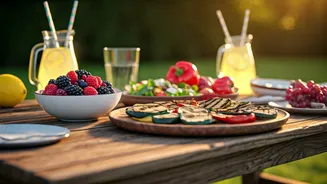
When you do want that satisfying char and smoky flavor, the grill is your answer. It moves the entire cooking process outside, keeping your kitchen pristine and cool. Grilling isn’t just for burgers and hot dogs. It’s a fantastic method for cooking vegetables like corn on the cob, bell peppers, asparagus, and thick slices of onion, which become sweet and tender over the flame. Fish fillets in a grill basket, chicken skewers, and even thick-cut romaine lettuce (for a grilled Caesar salad) are all brilliant options. Don’t forget dessert: grilled peaches or pineapple served with a scoop of vanilla ice cream is a quintessential summer treat that requires zero oven time.
Master the Five-Minute Stovetop
If you must use the stovetop, make it fast. The key is to have all your ingredients prepped and ready to go before you even turn on the burner—a practice chefs call “mise en place.” A quick sear on a piece of tuna or a fast sauté of shrimp and garlic takes only a few minutes, adding a warm, savory element to a cool salad or pasta dish without significantly raising the room’s temperature. Another technique is blanching: plunging vegetables like green beans or broccoli into boiling water for just 60 seconds, then immediately transferring them to an ice bath. This flash-cooks them to a perfect, crisp-tender texture, brightens their color, and adds another layer of complexity to your salads.