




The Death of the 'Road Warrior'
For decades, the 'road warrior' was a corporate archetype: a professional who thrived on back-to-back meetings, airport lounges, and the bragging rights that came with accumulating airline status. But the pandemic fundamentally reset our relationship
with work, travel, and burnout. Today, employees are less willing to sacrifice their mental and physical health for a job. This shift in priorities has given rise to 'bleisure' or 'blended' travel, where the lines between a business trip and a personal vacation blur. Instead of a grueling 24-hour turnaround, professionals are increasingly looking to extend their trips, explore their destination, and recharge their batteries on the company's dime—and savvy companies are encouraging it.
Why Companies Are On Board
This isn't just a case of corporate benevolence. There's a strong business case for wellness-focused travel. In the wake of the Great Resignation, companies are locked in a fierce battle for talent. Offering flexible, humane travel policies is a powerful tool for recruitment and retention. A burnt-out, exhausted employee is neither productive nor innovative. By allowing professionals to integrate wellness into their travel, companies are investing in their most valuable asset. Reports from industry groups like the Global Business Travel Association show a marked increase in demand for travel policies that support work-life balance. Happier, healthier employees do better work and are more likely to stay with a company that respects their well-being.
Tip 1: Strategically Extend Your Stay
The easiest way to transform a business trip is to add personal time. If your meetings wrap up on a Friday in Denver, ask to fly home on Sunday instead. This gives you a full day or two to hike, explore the city's food scene, or simply decompress. Many corporate travel policies are becoming more flexible about this, especially if the cost of a Sunday flight is comparable to or cheaper than a Friday one. Frame your request around productivity and well-being. Explain that arriving a day early to acclimate or staying a day late to recharge will make you more effective during the work portion of your trip. Be transparent with your manager and plan your personal time so it doesn't interfere with your work responsibilities.
Tip 2: Choose Your Hotel Wisely
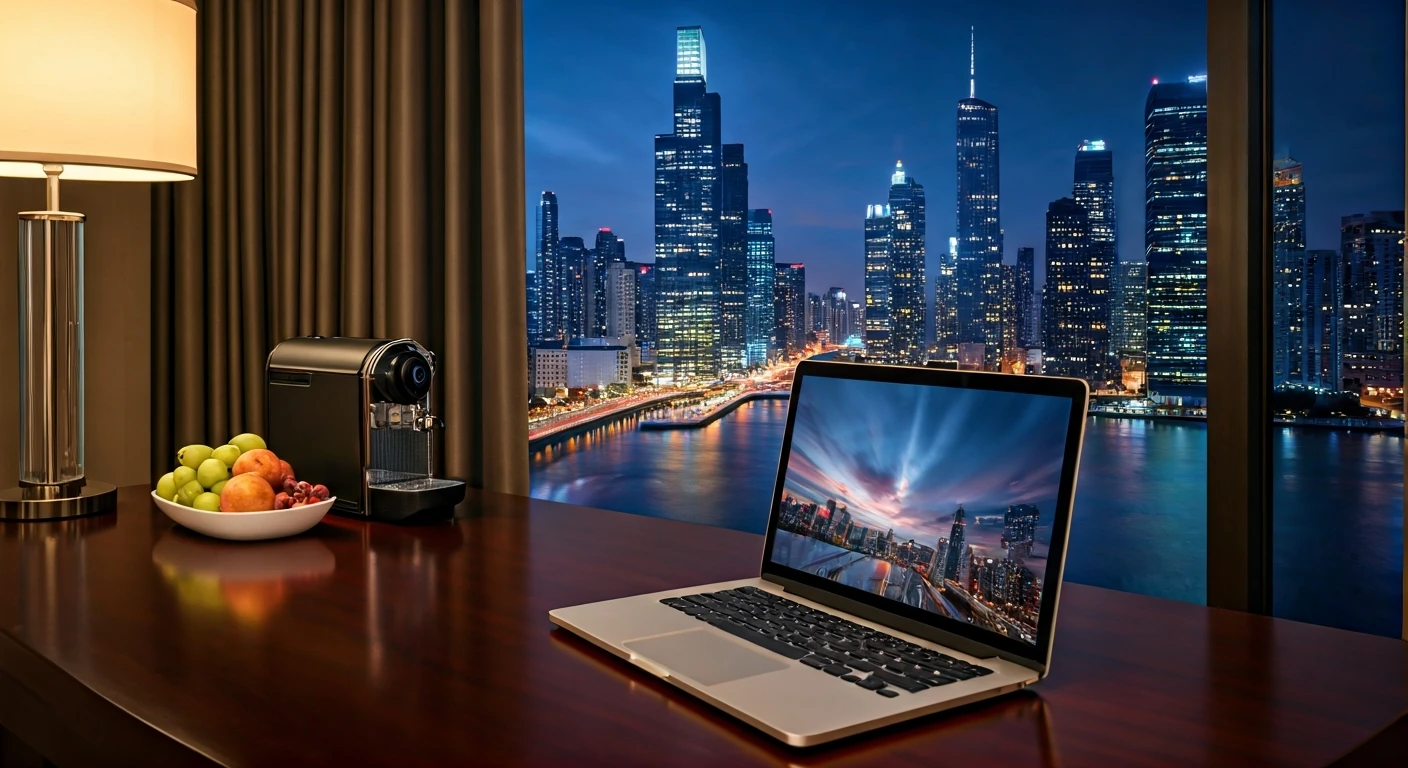
Don't just book the closest hotel to the conference center. Do a little research. Major hotel chains have invested heavily in wellness amenities to cater to this exact trend. Look for properties with high-quality fitness centers, pools, or even in-house yoga or meditation classes. Check the room service and restaurant menus for healthy, nourishing food options—a welcome alternative to a greasy burger after a long day. Some hotels even offer wellness-focused rooms with features like air purifiers, circadian rhythm lighting, and aromatherapy diffusers. Using your company's travel portal, you can often filter by these amenities, making it simple to choose a home base that supports your well-being.
Tip 3: Block Your Calendar for Wellness
The most important shift is mental. Stop seeing business trips as a mad dash from one obligation to the next. Instead, view your time away as an opportunity for 'work-life integration.' Just as you block out time for meetings, block out 60 minutes for a morning run, a visit to a local museum, or a quiet dinner at a restaurant you've wanted to try. Protect that time as fiercely as you would a client call. This isn't about slacking off; it's about managing your energy. A one-hour break to clear your head can make the next four hours of work more focused and productive. Ditch the guilt and embrace the idea that personal time is a critical component of a successful business trip.
Tip 4: Pack for Yourself, Not Just the Job
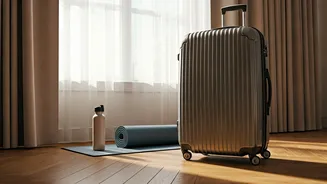
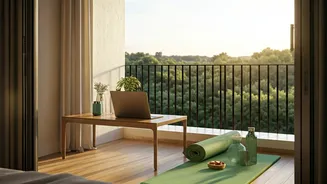
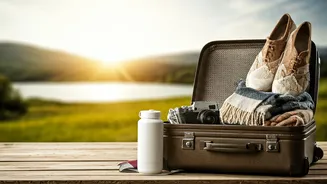
Your suitcase should reflect this new mindset. Alongside your blazers and laptops, pack the things that help you feel like yourself. This could mean your running shoes and workout gear, a travel yoga mat, your favorite herbal tea, or a good book. Having these small comforts can ground you and make a generic hotel room feel more like a personal sanctuary. It's a small but powerful way to claim ownership over your travel experience. Packing these items also creates a commitment—if you brought your running shoes, you're more likely to use them.