





So, What Exactly Is a Café Walk?
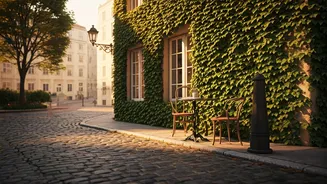
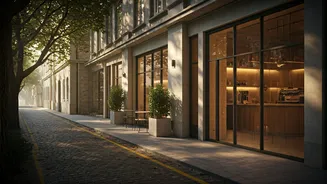
Imagine this: instead of a rigid itinerary, your plan for the day is simply to explore a neighborhood, using its unique cafés as your anchor points. A 'café walk' is precisely that. It’s a self-guided tour where the destinations are coffee shops, and
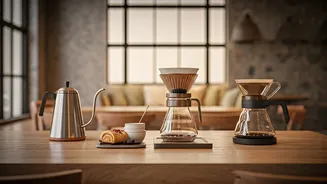
the journey between them—through winding alleys, past independent boutiques, and into the heart of a city’s local rhythm—is the main event. You might start your morning with a pour-over in a minimalist, concrete-and-fern haven, spend the afternoon in a multi-story bakery that feels more like an art gallery, and end the day at a rooftop spot watching the city lights come on. It's a form of 'slow travel' that trades tourist-trap exhaustion for a more relaxed, authentic experience of place.
Why Cafés Are a Universe in Themselves
To understand the café walk, you have to understand the role of cafés in modern South Korean culture. In densely populated cities like Seoul where personal living space is often limited, cafés function as essential 'third places.' They are extensions of the home and office—sanctuaries for studying, socializing, dating, and simply decompressing. This cultural importance has fueled hyper-competition among café owners, leading to an explosion of creativity. You don't just go for coffee; you go for an experience. This environment has cultivated a discerning clientele that expects high-quality beans, innovative drinks, and, most importantly, a compelling aesthetic.
An Itinerary for Your Eyes
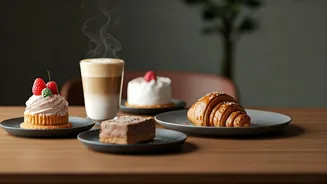
Korean cafés are, above all, a visual feast. The design is as much a part of the product as the coffee itself. The sheer variety is staggering. In one neighborhood, you might find an industrial-chic spot in a converted warehouse, a traditional 'hanok' teahouse with serene courtyard seating, and a quirky themed café where everything is designed to look like a 2D cartoon. Instagram and TikTok are flooded with evidence of this design-forward approach. From meticulously plated desserts like Basque burnt cheesecake and soufflé pancakes to the interior design itself, every element is curated to be photogenic. This isn't just for tourists; it's a fundamental part of the business model, turning customers into marketers and spaces into destinations.
More Than Just a Caffeine Fix
The beauty of the café walk is that it’s about so much more than coffee. It’s an excuse to get wonderfully lost. As you navigate from one café to the next, you’re organically discovering the city. You’ll stumble upon street art, browse vintage shops, people-watch in a small park, and absorb the unique character of different districts. In Seoul, a café walk in Seongsu-dong offers a glimpse into an industrial area reborn as a trendy hub, while a stroll through Yeonnam-dong reveals a quieter, more whimsical side of the city with hidden-gem shops and restaurants. The café stop becomes a strategic pause—a moment to rest your feet, charge your phone, and plot your next move while soaking in the local atmosphere.
How to Curate Your Own Café Walk
Planning your own walk is half the fun, and it’s refreshingly simple. Start by picking a neighborhood known for its café scene. Use social media apps like Instagram by searching hashtags like #seoulcafe or the neighborhood’s name in Korean (e.g., #성수동카페). This will give you a visual menu of what's out there. You can also use Korean map apps like Naver Map or Kakao Maps, which have robust user reviews and photo galleries for local businesses. Pick one or two 'must-visit' spots to anchor your day, but leave plenty of room for spontaneity. The best café is often the one you didn't plan on visiting, but discovered by chance on a quiet side street.