






The Digital Second Opinion
Imagine a small clinic in rural Montana or the heart of Appalachia. A patient comes in with a persistent cough and chest pain, and the local doctor orders a chest X-ray. In the past, that digital image would be uploaded and sent to a radiologist, potentially
in a different time zone, who is juggling a long queue of cases. The wait for a definitive reading could take hours, sometimes days—a dangerous delay if the scan shows a tiny, hard-to-spot nodule that could be early-stage cancer. This is where 'precision AI' comes in. It’s not a sentient robot doctor from a sci-fi movie. Instead, think of it as a hyper-specialized digital assistant. These artificial intelligence algorithms are trained on millions of medical images—X-rays, CT scans, and MRIs—where experts have already identified anomalies. The AI learns to recognize the subtle patterns, shadows, and textures associated with specific conditions, from cancerous tumors and the signs of a stroke to diabetic retinopathy, a leading cause of blindness.
From Anxious Wait to Immediate Action
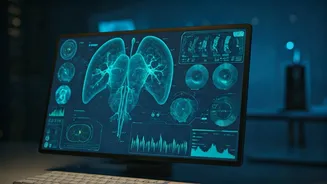
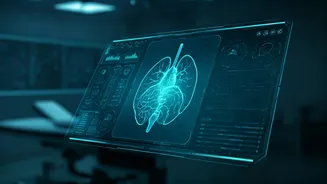
The most transformative aspect of this technology is speed. The 'instant' in 'instant analysis' is not an exaggeration. After a scan is completed, the AI can analyze the image in less than a minute. It doesn't replace the human doctor; it augments them. The AI flags suspicious areas, often drawing a colored box around them and providing a probability score for a certain condition. This information appears on the screen for the local physician or radiologist to review immediately. For time-sensitive emergencies like a stroke, this is a game-changer. A stroke requires immediate intervention to prevent permanent brain damage, and the first step is a CT scan to determine if it's caused by a clot or a bleed. An AI tool can analyze the scan in seconds, alerting the team to a potential large vessel occlusion that requires urgent transfer to a specialized stroke center. It shaves off critical minutes that can mean the difference between a full recovery and lifelong disability.
An Over-the-Shoulder Specialist
One of the biggest challenges in regional healthcare is the 'specialist gap.' General practitioners in small towns are often forced to be jacks-of-all-trades, but they can't be experts in everything. Getting a quick opinion from a neurologist, oncologist, or leading radiologist is often impossible. AI analysis acts as an ever-present, over-the-shoulder specialist. For a family doctor reviewing a mammogram in a community clinic, the AI provides an immediate check for signs of breast cancer that the human eye might miss, especially in dense tissue. It empowers the doctor, giving them more confidence in their assessments and helping them prioritize which cases need urgent follow-up. This not only improves the quality of care but also reduces physician burnout by providing a powerful support system. The AI doesn’t make the final call—the doctor does—but it ensures they have the best possible information to make that decision, right when they need it.
Not a Magic Bullet, But a Powerful Tool
Despite the enormous potential, this technology isn't a cure-all. Implementing AI requires robust IT infrastructure, data security, and significant investment—all potential hurdles for underfunded regional clinics. There are also valid concerns about algorithmic bias. If an AI is trained primarily on images from one demographic, it might be less accurate for others. Rigorous testing, FDA clearance, and continuous monitoring are essential to ensure these tools are safe and equitable for all patients. Furthermore, the role of the human expert remains paramount. These AI systems are designed to detect, not diagnose. The final interpretation still requires the context, experience, and critical thinking of a trained medical professional who understands the patient's full history. The goal is a human-AI collaboration that elevates the standard of care, ensuring a patient’s location no longer dictates the quality of their diagnosis.