



First, What Is El Niño Anyway?
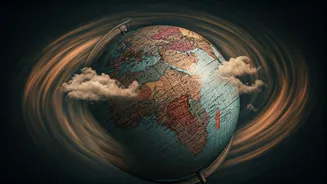
Before we get to your vacation, let’s quickly demystify the term. Think of the Pacific Ocean as a giant bathtub. Normally, trade winds push warm surface water toward Asia, piling it up in the west. This is the 'normal' state. El Niño happens when those
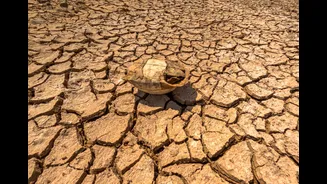
winds weaken or even reverse. The warm water sloshes back toward the Americas. This isn't just a bit of warm water; it's a massive shift in the planet's heat and moisture engine. Because the ocean and atmosphere are deeply connected, this change in sea surface temperatures has a domino effect on weather patterns worldwide. It can cause droughts in places that are usually wet and floods in places that are usually dry. It's a natural, cyclical climate pattern, not a one-off storm. It occurs every two to seven years, and its strength varies each time.
The El Niño-Monsoon Connection
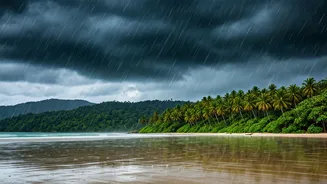
This is where your travel plans come in. Monsoons are seasonal wind shifts that bring predictable, heavy rainfall to regions like South Asia, Southeast Asia, and the American Southwest. They are crucial for agriculture and ecosystems. El Niño messes with this predictability. In many parts of Asia, particularly India and Indonesia, El Niño often leads to a weaker, delayed, or shorter monsoon season. The same atmospheric changes that warm the eastern Pacific can suppress the conditions needed for heavy rainfall in the western Pacific. For a traveler, this might sound great—less rain! But it can also mean higher temperatures and drought conditions that affect local life. Conversely, in the Americas, El Niño can have the opposite effect. For the U.S. Southwest, it often means a wetter winter and a more active and unpredictable summer monsoon, increasing the risk of flash floods in canyons and deserts. So, El Niño doesn’t have one single effect; its impact depends entirely on where you're going.
Separating Climate Chatter from Reality
The problem for travelers is that 'El Niño is coming' becomes a scary, monolithic headline. It’s easy to imagine your entire trip being a washout or, conversely, a scorching disaster. This is the 'chatter' changing trip confidence. In reality, El Niño is a measure of probability, not certainty. It nudges the odds. Forecasters can say an El Niño event makes a drier season in Bali *more likely*, but they can't tell you it won’t rain on the specific Tuesday you’ve planned to visit a temple. Weather is what happens day-to-day; climate is the pattern over decades. You’re booking a trip into a 'weather' window, but you’re getting anxious based on 'climate' news. The key is to understand that an El Niño year doesn't automatically doom your vacation. It just adds a different variable to consider, and its effect is highly regional.
So, What Should You Actually Do?
Don’t cancel your trip based on a headline you saw six months out. Instead, get smart and strategic. First, research the *specific* historical impact of El Niño on your destination. A weaker monsoon in Thailand could mean more sunny days, making it an even better time to visit for some. Second, build flexibility into your itinerary. If you're hiking in Zion National Park during an El Niño summer, have backup plans for low-elevation activities in case of flash flood warnings. Third, invest in 'peace of mind.' This is the perfect time to buy comprehensive travel insurance that covers weather-related disruptions. Finally, as your trip gets closer, switch from monitoring climate news (El Niño) to monitoring local weather forecasts. A 10-day forecast is infinitely more useful for packing and planning than a seasonal climate outlook.