

Why Go Up? The Science of Cool
The appeal is more than just a change of scenery; it's a matter of physics and psychology. For every 1,000 feet you climb in elevation, the temperature typically drops about 3.5°F. That simple fact means a town perched at 3,000 feet can be a full 10 degrees
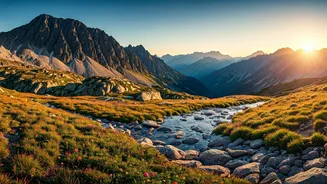
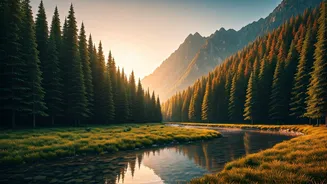
cooler than the city at sea level. This isn't just a minor difference; it's the difference between sweating through your shirt and needing a light sweater at night. The air is often less humid, thinner, and cleaner, providing an immediate, visceral sense of relief. But beyond the climate, there's the psychological shift. The vastness of mountain views can trigger a sense of awe, a feeling that shrinks our day-to-day worries. The slower pace of a small hill town recalibrates our internal clock, pulling us out of the city's frantic rhythm.
The Classic Mountain Town
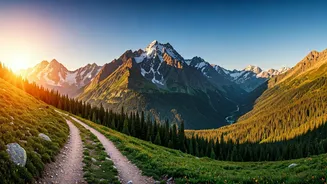
This is the escape you see on postcards. Think a walkable Main Street lined with independent bookstores, antique shops, and a reliable brewery or two. These towns, often former mining or logging hubs, have perfected the art of hospitality. They offer a comfortable blend of nature and nurture, where you can spend the morning on a challenging hike and the afternoon enjoying an iced coffee on a picturesque veranda. The infrastructure is there, making it an easy choice for families or first-time hill-goers. They feel established and welcoming, a ready-made respite from urban chaos. Prime examples include places like Asheville, North Carolina, nestled in the Blue Ridge Mountains, or the Victorian-era charm of Telluride, Colorado.
The Artsy Hillside Colony
For some, a true escape isn't just about disconnecting from work but connecting with creativity. Enter the artsy hill town. These communities often have a quirky, bohemian spirit, founded or revitalized by artists, writers, and musicians seeking inspiration in the landscape. Here, the main attractions are the galleries, the craft studios, the outdoor sculpture parks, and the small venues hosting folk musicians. The vibe is less about rigorous outdoor sport and more about contemplative walks, long conversations in coffee shops, and the thrill of finding a unique, handmade souvenir. Look to places like Woodstock, New York, in the Catskills, with its legendary creative history, or Taos, New Mexico, where desert light meets mountain culture.
The Quiet Ridge Retreat
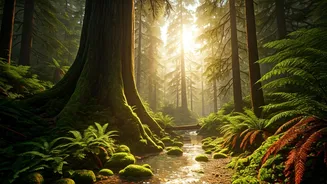
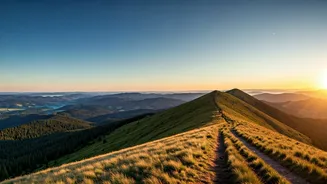
Maybe you don’t need a town at all. For the truly burnt-out, the ultimate luxury is silence. This escape is about finding a cabin, a small inn, or a campsite deep in the hills, where the main agenda is reading a book on the porch, listening to the birds, and watching the sun set behind a ridge. It’s a full digital detox. The goal is to trade the noise of the city for the sounds of nature: rustling leaves, a rushing creek, the buzz of insects. These places force a slower pace. Without a bustling town center to explore, you find yourself paying more attention to the world immediately around you. The Berkshires in Western Massachusetts or the forested hollows of Shenandoah National Park in Virginia offer countless pockets of this kind of profound quiet.
The Lakeside Highland
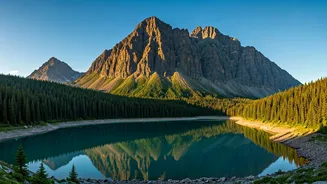
This is the ultimate summer cool-down combo: elevation plus water. A town situated on a mountain lake offers the best of both worlds. You get the cooler air and stunning vistas of a hill escape, plus the refreshing, recreational opportunities of a lake. Days can be spent kayaking across glassy water, finding a secluded swimming hole, or simply enjoying the breeze coming off the lake. These destinations combine the invigorating energy of water sports with the serene, grounding presence of the mountains. Think of Lake Placid in New York's Adirondacks, which offers alpine energy year-round, or Lake Arrowhead in California, a high-altitude oasis just a short drive from the Los Angeles basin.