




Why We're Ditching the Mask
For years, the gold standard of beauty was a perfectly uniform, matte complexion—a look often achieved with thick, full-coverage foundations. But a major cultural shift is underway. Influenced by a greater focus on wellness and authenticity, more of us are
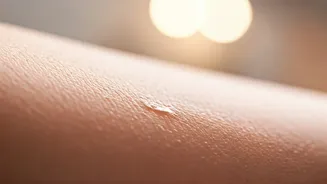
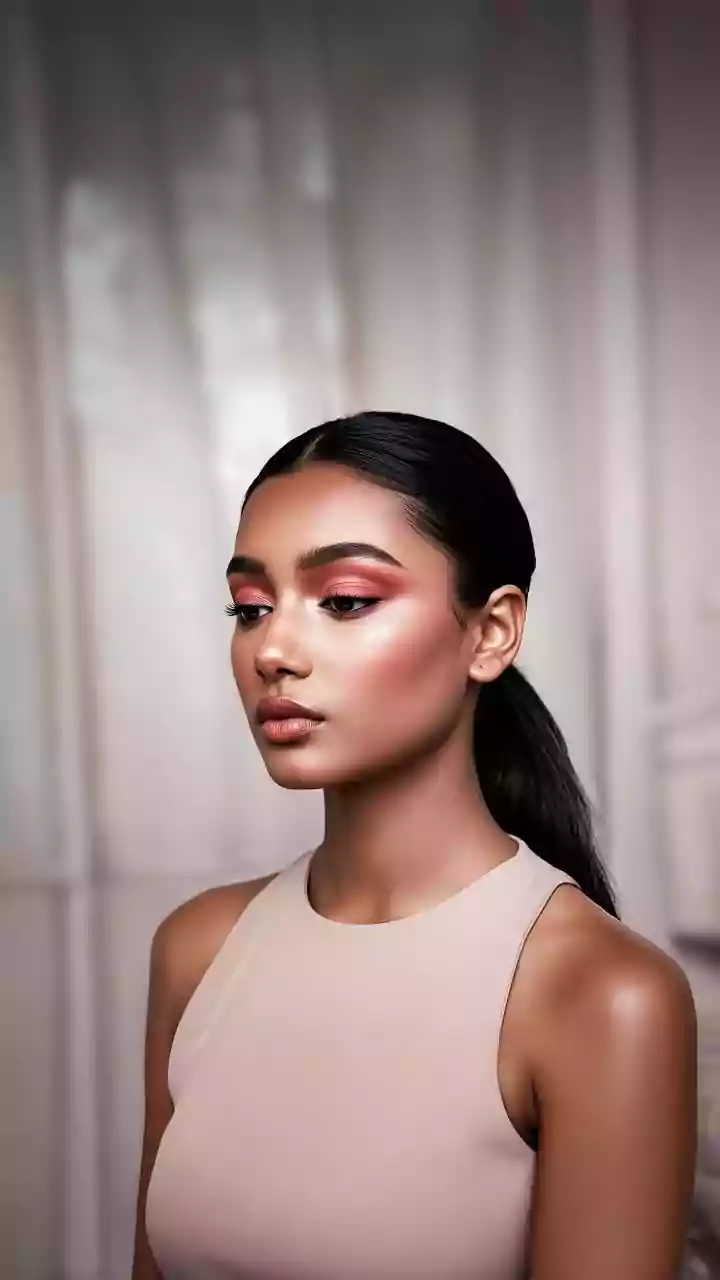
asking: Why are we trying to hide our skin instead of celebrating it? The move toward skin tints is less about a single product and more about a new philosophy. It’s about embracing a 'your skin, but better' aesthetic, where freckles, texture, and natural radiance aren't flaws to be concealed but features to be enhanced. This isn’t about shaming foundation lovers; it's about providing a fresh, modern alternative for those who crave simplicity and a more natural look.
The 'Breathable' Difference
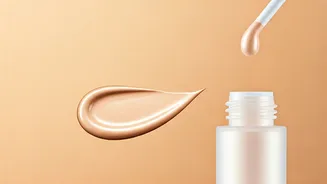
So what does 'breathable' even mean in the context of makeup? Traditional heavy foundations often contain a high concentration of pigments, oils, and silicones that form an occlusive, or blocking, layer on the skin. While effective for coverage, this can sometimes feel heavy, trap sweat, and contribute to clogged pores for some people. Breathable formulas, like skin tints, are engineered differently. They are typically water-based and contain fewer, finer pigments. Their lighter, more fluid consistency allows for better air and moisture exchange, meaning your skin feels less suffocated throughout the day. It’s the difference between wearing a heavy wool coat and a light linen shirt—both provide coverage, but one is far more comfortable for daily wear.
Not Just Lighter Foundation
It's easy to think of a skin tint as just a watered-down foundation, but that's not the full story. While foundations are formulated primarily for coverage, skin tints are often hybrid products that merge skincare with cosmetics. Many are packed with beneficial ingredients like hyaluronic acid for hydration, niacinamide to even skin tone over time, and SPF for sun protection. Their primary goal is to even out tone and impart a healthy glow, rather than mask imperfections completely. This makes them distinct from BB creams (which usually offer more coverage and priming benefits) and CC creams (which focus on color-correcting). A skin tint is the most minimalist of the bunch, designed for maximum comfort and a barely-there feel.
Finding Your Perfect Match
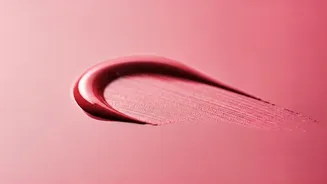
The thought of switching to a sheerer formula can be intimidating, especially if you're used to full coverage. The key is finding the right one for you. First, consider the finish. Do you want a dewy, radiant glow, or a more natural, satin finish? Read product descriptions carefully. Second, don't overthink the shade matching. Because tints are so sheer, they are far more forgiving than foundation. Many brands offer flexible shades that can adapt to a range of skin tones. If you're stuck between two, it’s often best to go with the slightly warmer or deeper option, as a too-light shade can look pasty. The best test? Apply a swipe to your jawline and see how it blends into both your face and neck in natural light.
Tips for a Flawless Application
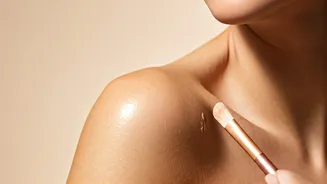
The beauty of a skin tint is its ease of use—no complicated tools required. For the most natural finish, applying with your fingertips is the best method. The warmth of your hands helps the product melt seamlessly into your skin. Start with a small, pea-sized amount in the center of your face and blend outwards. The goal is to gently even out your complexion, not paint it over. If you have specific areas that need more attention, like blemishes or under-eye circles, don't try to solve it by layering on more tint. Instead, go in after application with a fine-tipped brush and a high-coverage concealer to spot-treat only where necessary. This targeted approach gives you the best of both worlds: an overall natural, breathable base with perfect coverage right where you need it.