





You Get a Living Room, Not Just a Bed
The single biggest difference between a hotel and a homestay on a rainy day is space. In a hotel, a downpour often means being confined to a room dominated by a bed and a desk chair. You can watch TV or read, but you’re essentially trapped in a box. A
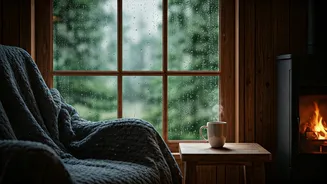
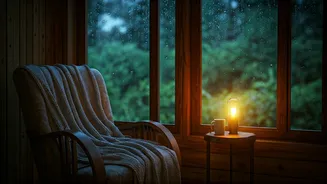
homestay, whether it’s a full apartment or a private room in a house, almost always offers a common area: a living room with a comfortable couch, perhaps a reading nook by a window, or a covered porch. This simple upgrade is a game-changer. Instead of feeling imprisoned, you have room to breathe, spread out, and relax. You can watch the storm from a comfortable sofa, cup of tea in hand, without feeling like you’re just waiting for the rain to stop so your vacation can resume. The vacation is happening right there.
A Kitchen Becomes Your Best Friend
A rainy day is the perfect excuse for a lazy, delicious morning, but a hotel minibar and its $8 bag of cashews won’t cut it. A homestay kitchen is your secret weapon against the gloom. It empowers you to do more than just order overpriced room service. You can brew a proper pot of coffee, fry up some eggs, or even embark on a more ambitious project. Imagine heading out under an umbrella to a local market, grabbing fresh pasta, cheese, and a bottle of wine, and spending the afternoon cooking together. Suddenly, the rain isn't ruining your plans; it’s giving you a new one. It becomes an opportunity for a low-key, affordable, and deeply satisfying culinary experience that feels more authentic than another meal at a tourist-trap restaurant. You’re not just eating; you’re temporarily living there.
Tap Into a Host’s Local Secrets
When the weather is good, finding something to do is easy. But when it’s pouring, the obvious tourist sites can become crowded, miserable experiences. This is where a good homestay host is invaluable. Unlike a hotel concierge who might point you to the nearest museum or shopping mall, a host often provides a curated list of personal, off-the-beaten-path recommendations perfect for a dreary day. They’ll know the coziest independent bookstore with an attached café, the tiny, one-screen movie theater that shows classic films, or the neighborhood pub with a fireplace and a great lunch special. This insider knowledge helps you sidestep the generic, crowded attractions and discover a side of the city you would have otherwise missed. Your host turns a logistical problem into a chance for genuine discovery.
Embrace the Joy of Found Entertainment
Hotels are designed for efficiency, not idleness. Homestays, on the other hand, are filled with the charming remnants of actual life. That bookshelf in the corner isn’t just for decoration; it’s probably stocked with well-loved paperbacks. The cabinet under the TV might hold a stack of board games or a half-finished puzzle. You might even find a guitar in the corner or a record player with a small collection of vinyl. These small, analog comforts are an invitation to disconnect and slow down. Instead of scrolling through your phone while waiting for the rain to pass, you might find yourself locked in a competitive game of Scrabble or discovering a new author. This “forced coziness” fosters connection and creates a specific, warm memory tied directly to that place and that rainy afternoon.
It Actually Feels Like You’re Somewhere
Perhaps the most significant benefit is the powerful sense of place. A rainy day in a chain hotel in Portland, Maine, can feel uncannily similar to a rainy day in a chain hotel in Portland, Oregon. The beige walls, the generic art, the uniform furniture—they all conspire to erase the local character. A homestay does the opposite. The decor reflects the owner’s personality and the regional style. You’re staying in a real neighborhood, seeing how locals live. The view out the window isn’t of a parking lot, but of a quiet residential street or a neighbor’s garden. When you’re stuck inside, this feeling of being embedded in a place, rather than just observing it from a sterile perch, makes all the difference. The rain doesn’t feel like an interruption to your trip; it feels like part of the authentic experience of being there.