




The Supermarket Mango Problem
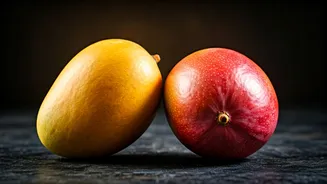
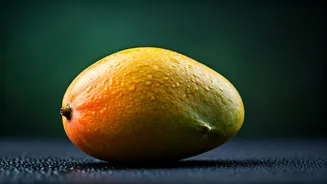
Let’s be honest: the American mango experience can be a gamble. You’re most likely buying a Tommy Atkins, a variety prized for its durability and long shelf life, not its flavor. It was specifically cultivated in Florida in the 1920s to be a commercial
workhorse—able to withstand being picked under-ripe, shipped thousands of miles, and sit on a shelf for a week. The result is a fruit that often ranges from blandly sweet to disappointingly fibrous, a pale imitation of what a mango can be. It’s the tomato of the fruit world; what you get in the supermarket is a shadow of the real thing. But what if you could have a mango that was creamy, not stringy? Intensely fragrant, not just vaguely tropical? A mango with a story, a specific terroir, and a flavor profile as complex as a fine wine? You can. You just need to look beyond the usual suspects and get acquainted with the true stars of the mango world, many of which hail from India, the fruit’s ancestral home.
The Banganapalli: A Royal Introduction
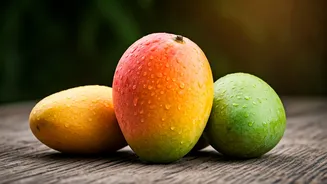
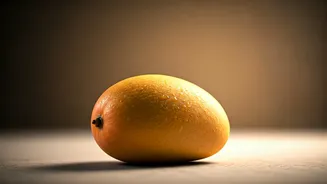
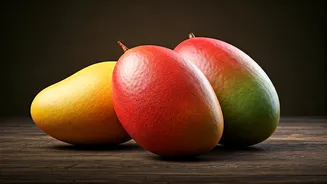
If you’re going to start your journey, start with the king. The Banganapalli (also called Benishan) is a large, majestic mango from the state of Andhra Pradesh in Southern India. It even has a Geographical Indication (GI) tag, like Champagne from Champagne, protecting its name and origin. You’ll recognize it by its relatively thin, pale, lemon-yellow skin, even when ripe. Don’t wait for a red blush that will never come. The magic is inside. The flesh is a vibrant, almost neon yellow-orange, and it’s completely fiber-less. The texture is firm but yielding, and the flavor is a perfect balance of sweetness with a subtle, tangy finish that keeps it from being cloying. It’s not an aggressive flavor; it’s a confident one. This is a mango for slicing and eating fresh, appreciating the pure, unadulterated taste without having to navigate a web of stringy fibers.
The Himsagar: Sweetness Distilled
If the Banganapalli is the stately king, the Himsagar is the decadent poet. Originating from West Bengal and the surrounding regions, this medium-sized mango is all about pure, unadulterated sweetness and a heavenly texture. Its skin is a greenish-yellow, and it’s a bit more delicate than the Banganapalli. The Himsagar is the definition of a “melting” mango. The pulp is exceptionally creamy and smooth, with a texture often compared to butter or custard. The flavor is intensely sweet and floral, with very little acidity. For those who believe a mango’s primary job is to be as sweet as possible, the Himsagar is peak performance. Because it has absolutely no fiber and an abundance of rich pulp, it’s the go-to variety for making mango lassis, smoothies, and desserts in its native region. It’s basically a scoop of fragrant, fruity sorbet already in its skin.
The Zardalu: Perfume in a Fruit
Some foods you taste, others you experience. The Zardalu mango falls firmly into the latter category. Hailing from Bihar in Eastern India, the Zardalu is famous not just for its taste, but for its extraordinary aroma. The name itself is linked to a Persian word for a type of apricot, but make no mistake, this is 100% mango. It’s smaller than the other two and has a beautiful, thin yellow skin. You’ll smell a good Zardalu before you even cut into it. The fragrance is intoxicating—sweet, floral, and profoundly fruity. The taste delivers on that aromatic promise, offering a unique, honey-like sweetness that is distinct from any other mango variety. It's less about a citrusy tang and more about a deep, perfumed flavor. Eating a Zardalu is a full sensory event, where the aroma and taste are inextricably linked. It’s a connoisseur’s mango, prized for its unique character.
How to Find These Underdogs
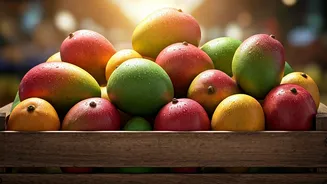
So, where do you find these elusive beauties? Don’t expect to see them piled high at your average big-box grocery store. Your best bet is to seek out South Asian or Indian specialty markets, particularly between April and July, which is the peak import season. Many of these stores receive weekly air shipments to ensure freshness. You can also find specialty online retailers that import and ship them directly to your door, often by the case. When you find them, don’t be afraid to ask for help. A good grocer will point you to the best of the batch and tell you which ones are ready to eat tonight and which need another day on the counter. The hunt is part of the fun, and the reward is a taste of summer you won't soon forget.