




The Old Era of Optimization
Remember when every fitness influencer was shouting at you to “crush your goals” and every wellness plan involved eliminating entire food groups? That was the era of hustle-culture wellness. It was defined by a “no pain, no gain” ethos that mirrored the broader
societal pressure to be constantly productive and self-improving. The ideal was a bio-hacked, perfectly optimized human who slept four hours, drank kale sludge, and ran a marathon before breakfast. This version of wellness wasn’t about feeling good; it was about achieving a state of peak performance, often at the expense of mental peace and genuine enjoyment. Diets were restrictive, workouts were high-intensity, and rest was seen as a weakness. The goal wasn't just health, but a visible, quantifiable, and often punishing form of self-mastery.
The Pivot to “Soft Wellness”
Now, the pendulum is swinging back. In place of punishing regimes, a new concept is taking hold: “soft wellness,” or “gentle wellness.” This approach prioritizes feeling good over looking a certain way or hitting specific metrics. It trades intensity for consistency, and restriction for intuition. Instead of demanding transformation, it encourages maintenance, compassion, and listening to your body's needs. The new vocabulary of wellness includes words like “balance,” “rest,” “nourishment,” and “joy.” This isn’t a rejection of health, but a redefinition of it. It’s the understanding that a 20-minute walk is just as valid as a grueling HIIT class, that eating a balanced meal is better than a restrictive cleanse, and that getting enough sleep is a non-negotiable pillar of well-being.
What’s Driving This Cultural Shift?
Several factors are fueling this change. The collective burnout from the COVID-19 pandemic forced a major re-evaluation of priorities for millions of Americans. Faced with unprecedented stress, the pressure to also maintain a perfect, high-performance lifestyle became unsustainable. This period accelerated a growing conversation around mental health, highlighting the toxic link between punishing self-care routines and feelings of anxiety and inadequacy. Furthermore, there's a generational shift at play. Younger consumers, in particular, are rejecting the girlboss-era hustle culture and are more drawn to concepts of authenticity, anti-perfectionism, and activities that genuinely reduce stress rather than add to it. The market is responding, with a surge in popularity for low-impact exercise, mindfulness apps that focus on simple presence, and food philosophies centered on intuitive eating rather than calorie counting.
What Gentle Wellness Looks Like in Practice
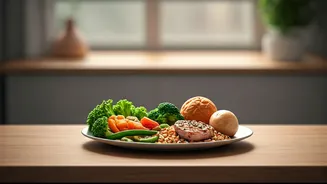
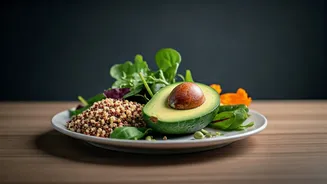
So, how does this translate to your daily routine? It might look like swapping a high-intensity spin class for “cozy cardio”—a low-impact activity like walking on a treadmill while watching a favorite show. It means embracing intuitive eating, where you honor your hunger and cravings without guilt, rather than adhering to a rigid diet plan. It’s choosing Pilates, yoga, or simply stretching because it feels good for your body, not because it burns the most calories. Prioritizing sleep becomes a key activity in itself, not just the thing you do after you’ve finished optimizing everything else. It’s also about finding joy in movement and nourishment, turning wellness from a chore you have to endure into a practice you genuinely look forward to.