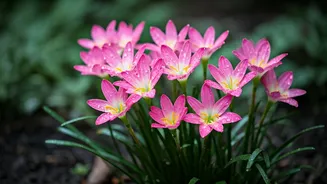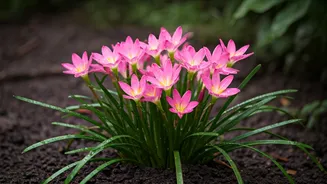




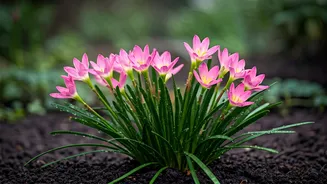
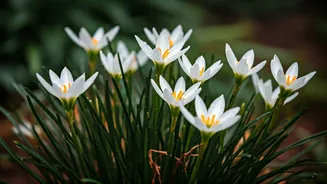
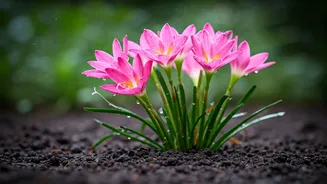


Meet Nature’s Surprise Guest
They go by many names: fairy lilies, zephyr lilies, rain flowers. But most gardeners know them simply as rain lilies. Belonging to the genus *Zephyranthes*, these small, unassuming plants are members of the amaryllis family, native to the warmer regions
of the Americas. For much of the year, they are easy to overlook, presenting as nothing more than thin, grass-like foliage. They quietly bide their time, conserving energy deep within their bulbs, waiting for a very specific signal. Unlike flowers that follow a strict seasonal calendar, rain lilies operate on their own schedule, one that’s dictated not by the sun’s position, but by the sky itself. Their sudden, almost ethereal appearance is what earns them their reputation as one of the garden’s most delightful surprises.
The Science Behind the Magic
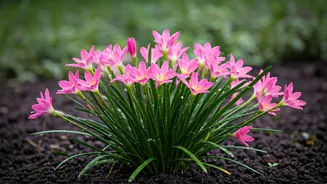
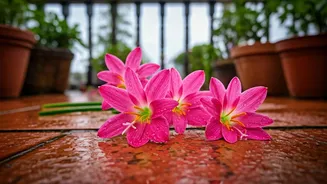
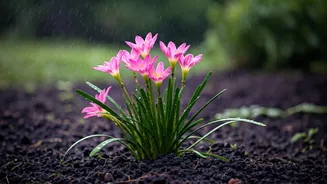
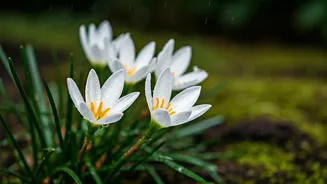
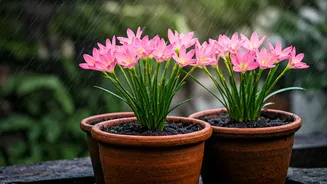
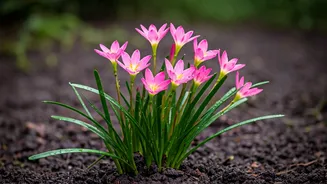
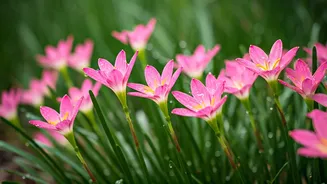
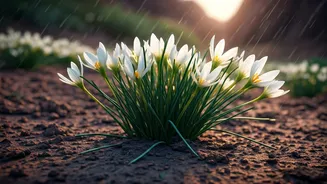
So, what triggers this dramatic transformation from sleepy foliage to a carpet of blooms? The 'monsoon' in the headline is the key. While the term is technically specific to seasonal wind shifts in regions like the American Southwest, for rain lilies, any significant, soil-soaking rainfall after a period of dryness acts as a starter pistol. The sudden influx of water, often accompanied by a drop in barometric pressure and temperature, signals the bulb that conditions are now ideal for reproduction. In a stunning display of efficiency, the plant sends up a slender stalk, which can grow several inches in a single day. At its top, a tightly closed bud unfurls into a delicate, star- or crocus-shaped flower. This entire process can happen in as little as 24 to 48 hours, which is why they seem to appear 'magically.' One day your garden bed is just green shoots; the next, it’s dotted with cheerful pink, white, or yellow blossoms, each one a tiny monument to the storm that just passed.
A Resilient and Forgiving Flower
The same trait that makes rain lilies so surprising also makes them incredibly tough. These are not delicate, fussy plants that demand constant attention. On the contrary, they thrive on a cycle of neglect followed by abundance. They are perfectly adapted to climates with hot, dry summers, like those found across the Southern and Southwestern U.S. While other plants may wilt and struggle through a drought, rain lily bulbs are perfectly content to wait it out underground. This makes them an excellent choice for low-water gardens, rock gardens, or for gardeners who appreciate a low-maintenance landscape. They ask for very little: a spot with decent sunlight and well-drained soil to prevent their bulbs from rotting. In return, they provide a recurring spectacle, a floral reward for your patience and for nature’s own timing.
Bringing the Surprise to Your Garden
If you want to cultivate this magic yourself, you’re in luck. Growing rain lilies is wonderfully straightforward. You can buy bulbs online or at nurseries, and they are best planted in the fall in warmer climates (USDA zones 7-11) or in the spring in cooler zones where they can be treated as annuals or brought indoors for winter. Plant the small bulbs about one to two inches deep and a few inches apart. They look best when planted in drifts or clusters, which creates a more dramatic and natural-looking display when they all decide to bloom at once. Don’t overwater them; remember, they prefer a dry spell. Just plant them, forget about them, and let nature do the rest. After the next big summer thunderstorm, walk outside and look closely. You might find that your garden has a few new, brightly colored guests that have popped up to say hello.