

The Pre-Monsoon Advantage
May and early June in central and northern India are not for the faint of heart. Temperatures can soar, and the landscape is parched. But for wildlife enthusiasts, this oppressive heat creates a golden opportunity. As seasonal streams and smaller water
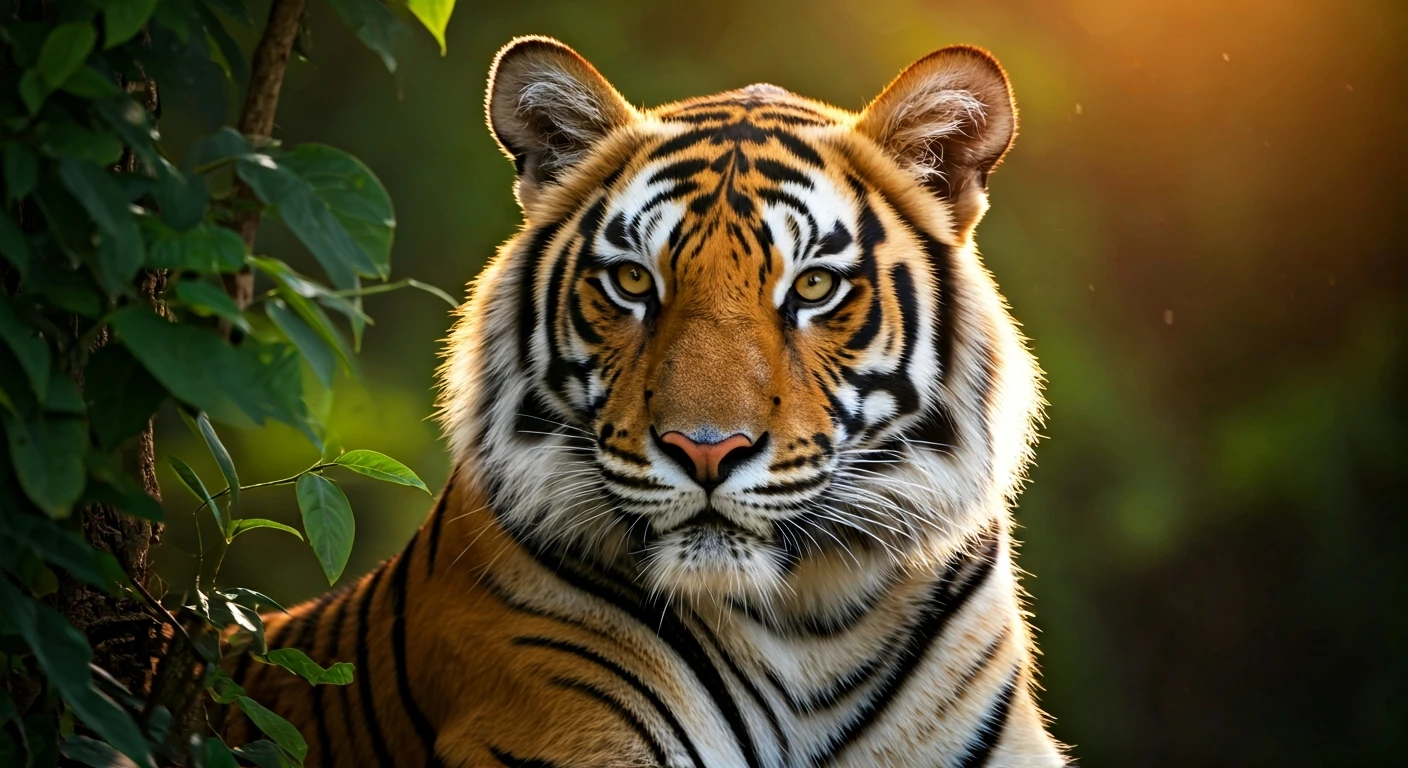
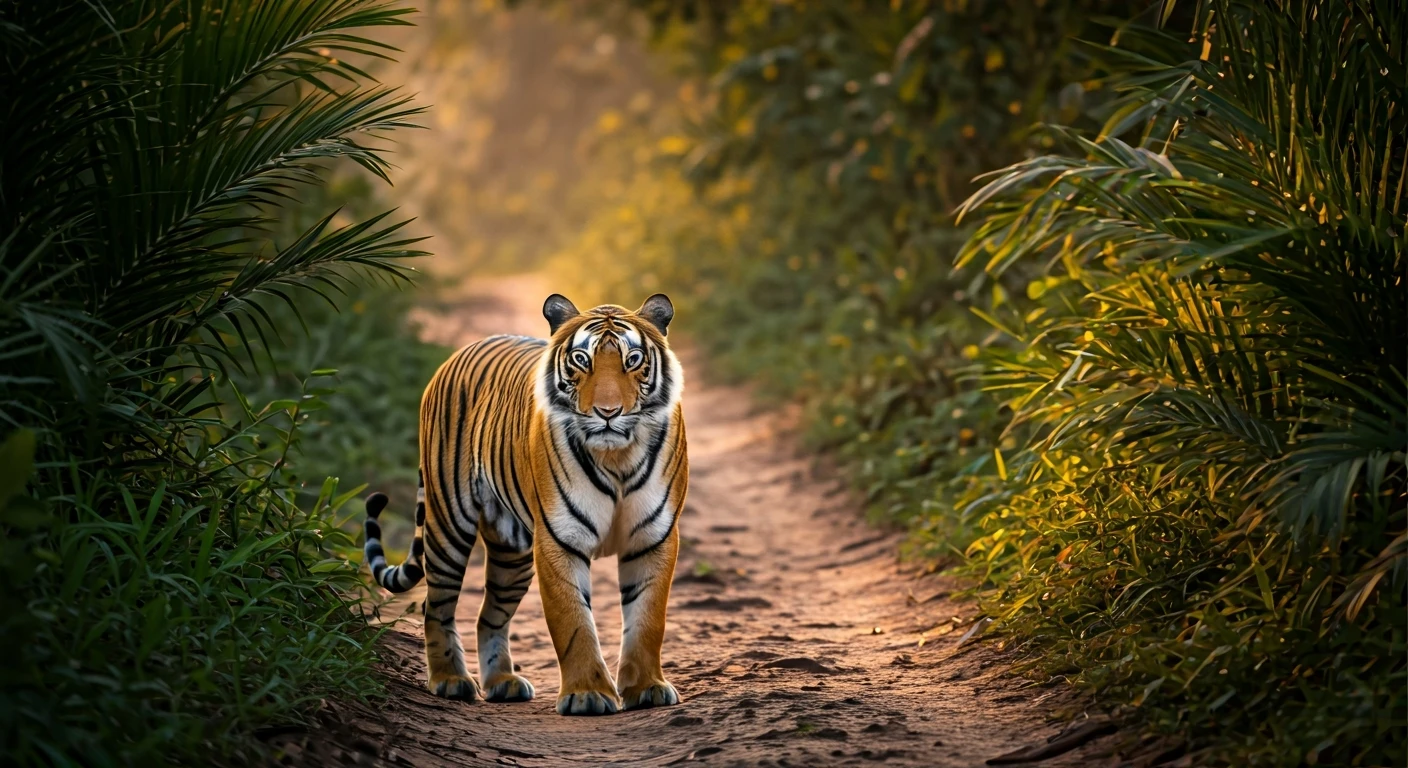
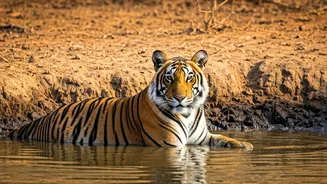
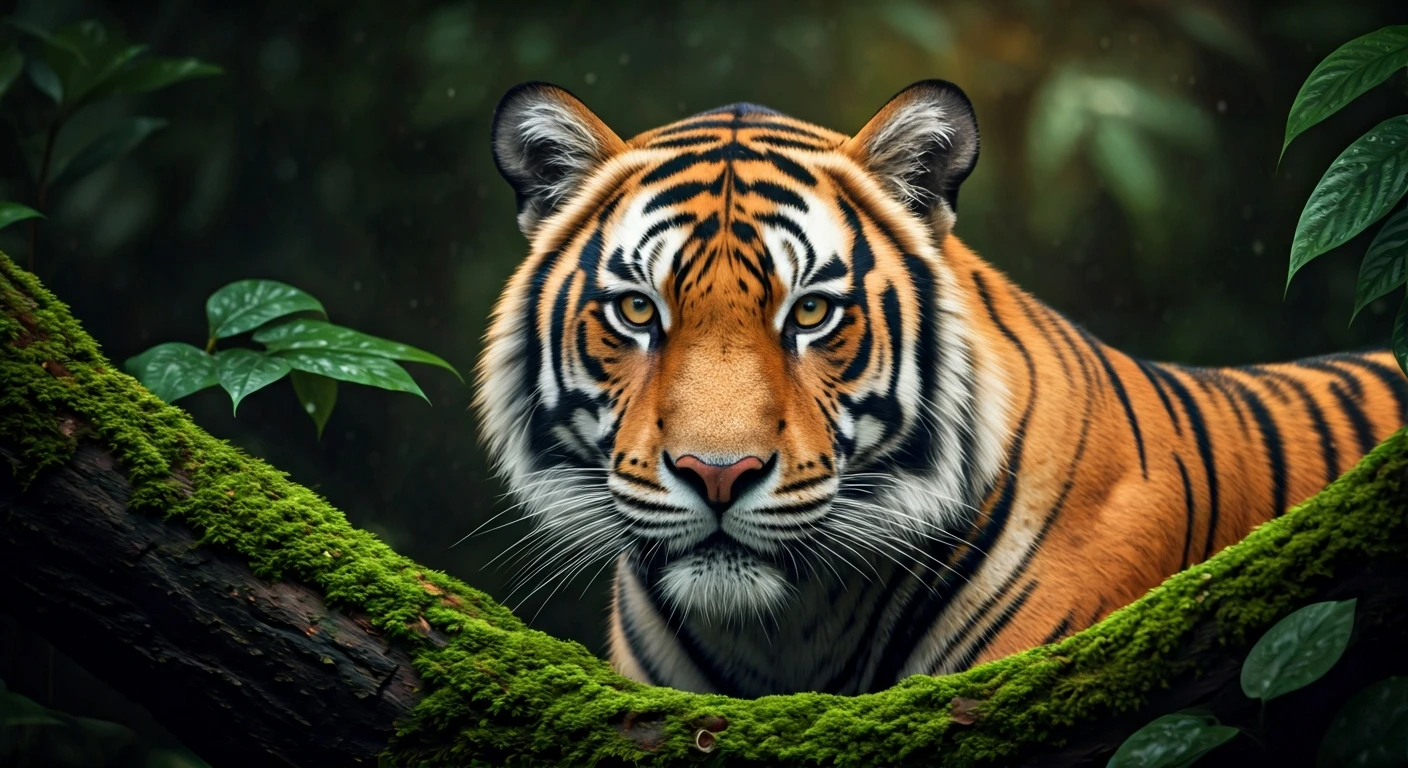
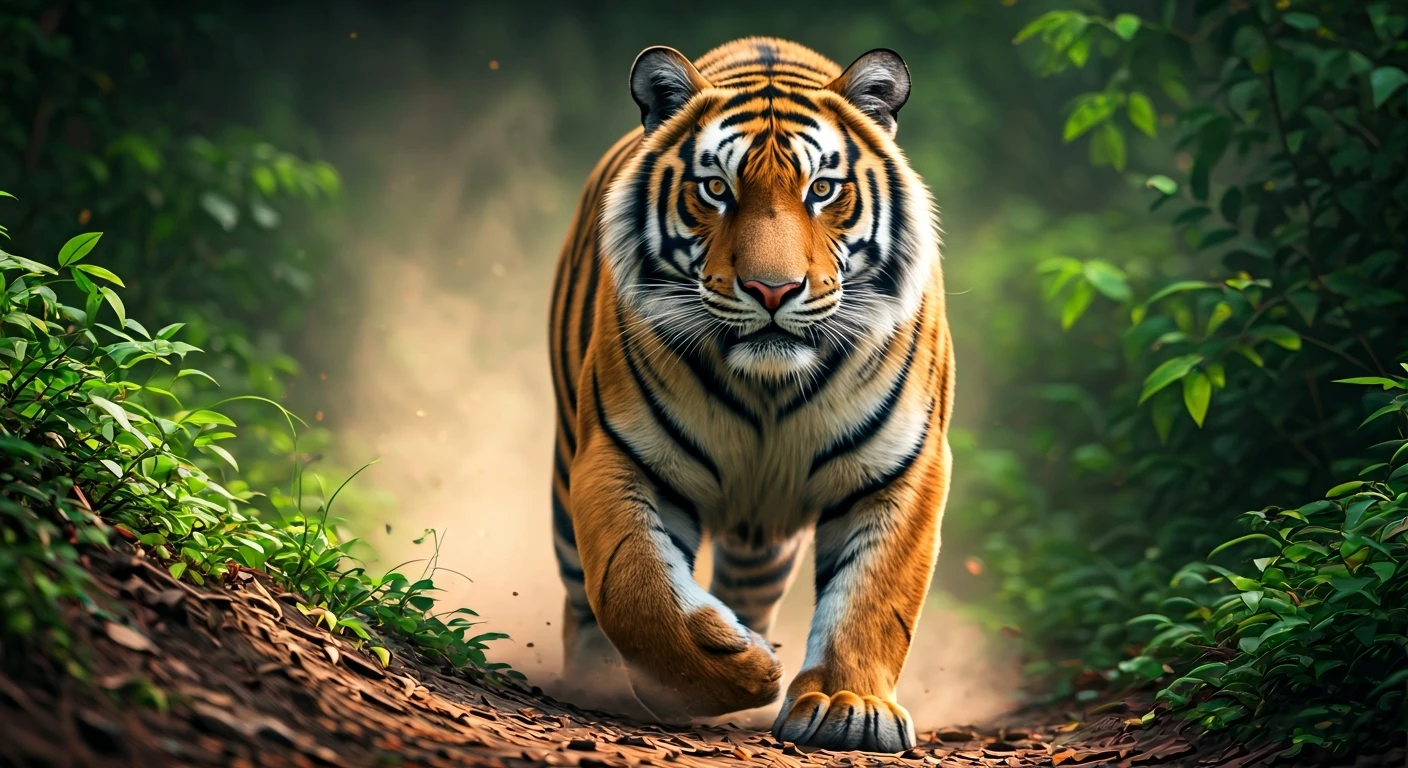
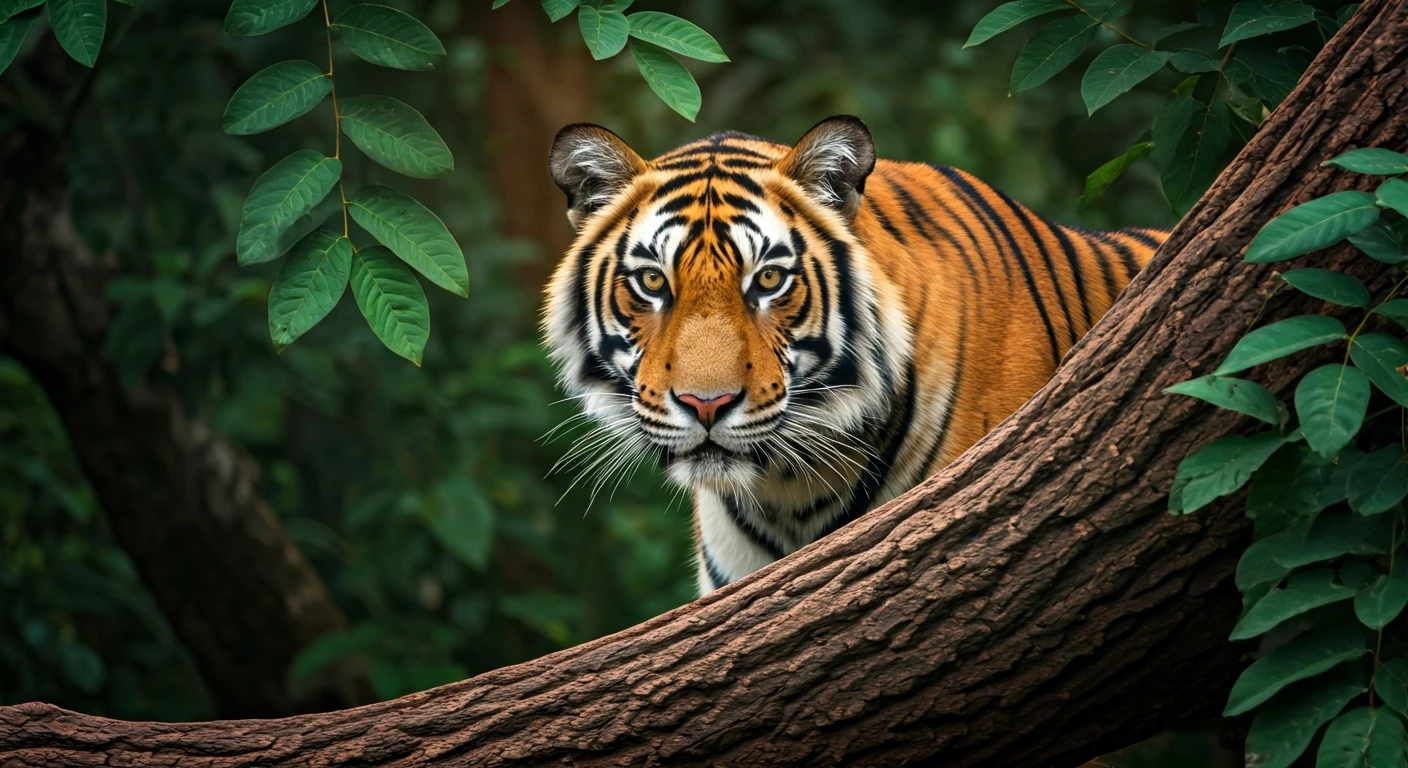
bodies evaporate under the relentless sun, the jungle’s remaining lakes and waterholes become crucial gathering points. Animals, from spotted deer and wild boar to their formidable predators, are drawn to these shrinking oases. For tiger-spotting, this is the prime-time show. Tigers, which love water, are often found cooling off near these last reservoirs, making them more predictable and visible than at any other time of year. The thinning foliage also works in your favor, offering clearer sightlines through the forest. A safari during this period is a game of patience played in a super-heated arena, but the payoff can be the wildlife sighting of a lifetime.
A Race Against the Rains
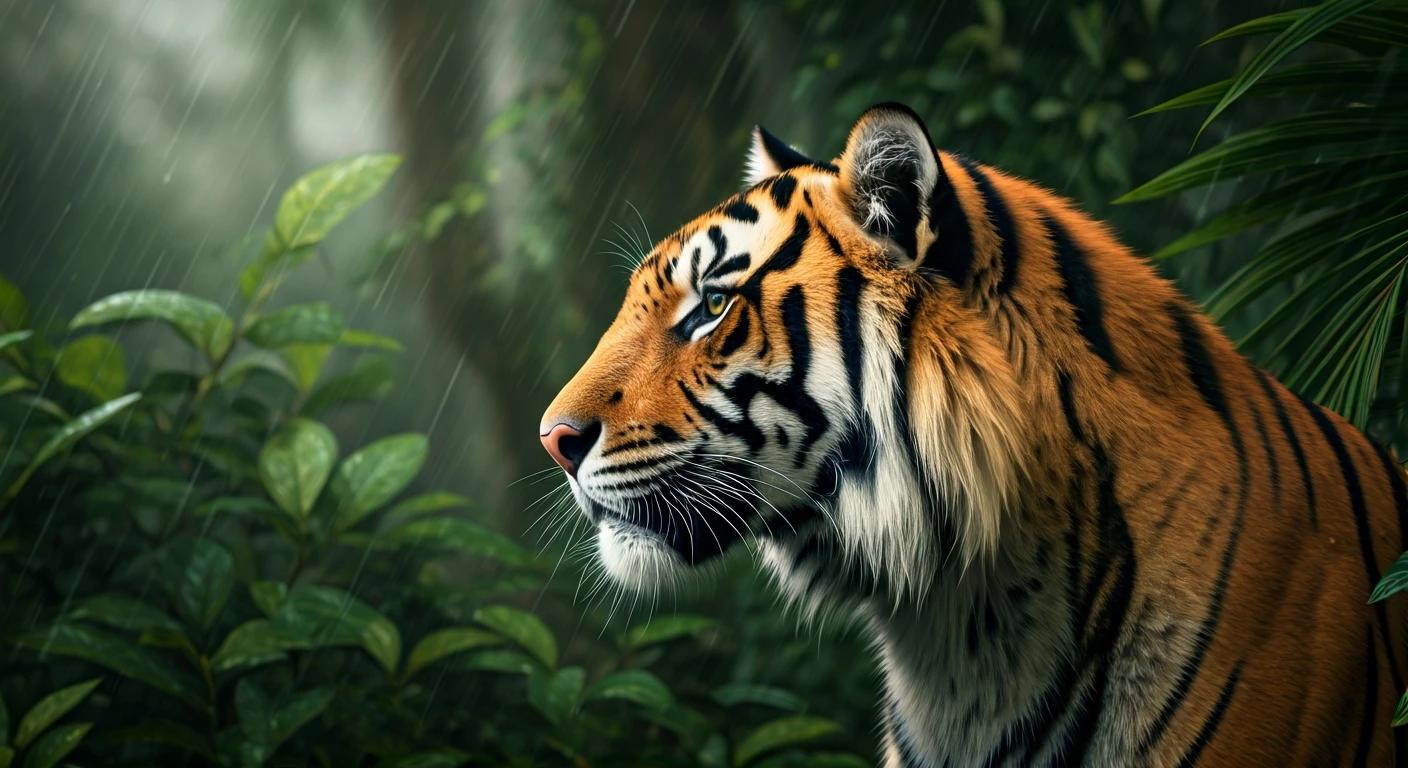
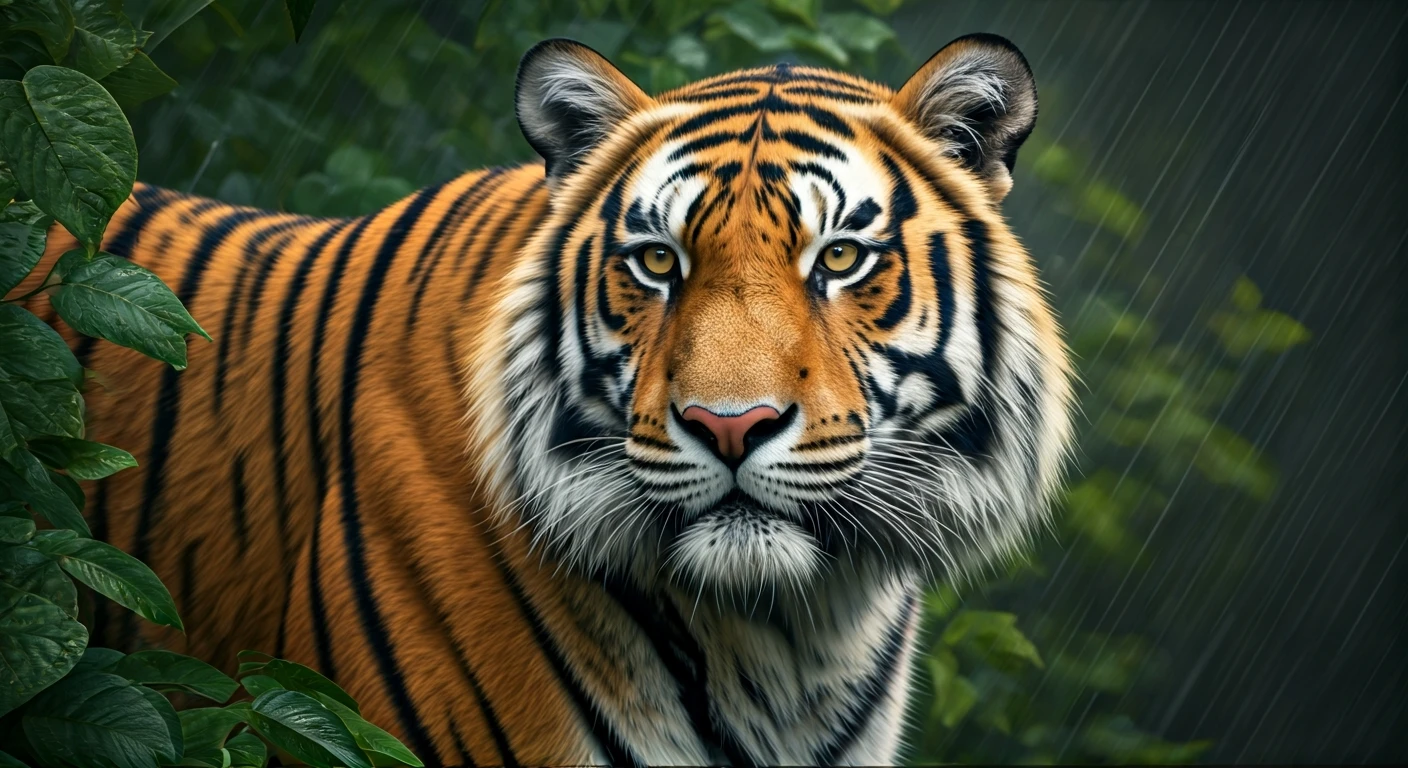
The urgency in the air is real. By late June or early July, the Southwest Monsoon will roll across the subcontinent, transforming the dry, dusty landscape into a sea of lush green. This annual deluge is the lifeblood of India, but it brings safari season to an abrupt halt. The dirt tracks that serve as roads inside the national parks turn into impassable rivers of mud, making vehicle access impossible and dangerous. The downpour is a signal for the forest to rejuvenate. It’s also a crucial breeding period for many species, and the park closures give the animals a much-needed respite from human intrusion. The gates of most core tiger zones will be padlocked, typically from the first of July until the first of October, turning these world-famous wildlife destinations into ghost towns for tourists, but sanctuaries of quiet for their residents.
Top Parks on the Tiger Circuit
If you’re ready to make a spontaneous trip, a few key parks offer the highest probability of a successful sighting. Ranthambore National Park in Rajasthan is perhaps the most famous. Its unique landscape, dotted with ancient forts and ruins, provides a stunning backdrop for tiger photography. The park’s relatively open terrain and system of lakes make spotting tigers here a classic experience. Further east, in Madhya Pradesh, lies Bandhavgarh National Park. Boasting one of the highest densities of tigers in India, this smaller park offers an intense and often fruitful safari experience. Its hilly terrain can make for a dramatic chase as guides track fresh pugmarks. Another excellent option is Tadoba-Andhari Tiger Reserve in Maharashtra. Known for its consistent sightings in recent years, Tadoba’s mix of teak forest and sprawling meadows is a tiger haven, and its lake system is a magnet for wildlife in the pre-monsoon heat.
What to Expect on Safari
A pre-monsoon safari is an adventure in extremes. Your day will start before dawn, climbing into an open-air jeep (called a Gypsy) to enter the park as the gates open. The early morning can be surprisingly cool, but the temperature climbs rapidly. You’ll spend hours driving along bumpy tracks, your guide and driver scanning the ground for pugmarks and listening for the alarm calls of deer or monkeys—the jungle’s natural alert system for a nearby predator. It's a thrilling hunt where you are a guest, entirely on nature’s terms. It’s important to manage expectations; tigers are solitary and elusive, and a sighting is never guaranteed. It's a prize earned through luck and patience. But the search itself—the smells of the forest, the sounds of unseen creatures, the sheer anticipation—is an unforgettable part of the journey.
The Final Window is Now
There’s no sugarcoating it: this is not a trip you can plan for August. The window is small and closing fast. Most core zones of parks like Ranthambore, Bandhavgarh, Kanha, and Pench will close on June 30th. Some parks, like Tadoba, may keep certain buffer zones open, but the prime viewing areas will be off-limits. This means the time to book flights, secure safari permits, and arrange lodging is now. The next few weeks represent the last, best chance to witness India’s national animal in its natural habitat before the rains wash the slate clean, and the jungle turns inward for its three-month slumber. It’s a final, dramatic call to the wild before the curtain falls.