
Beyond the Beige Box
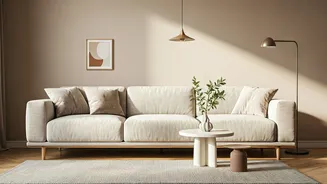
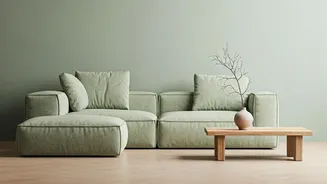
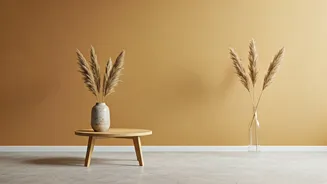
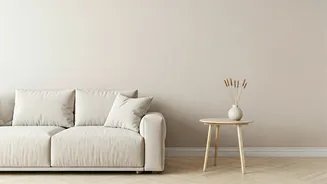
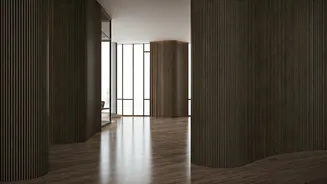
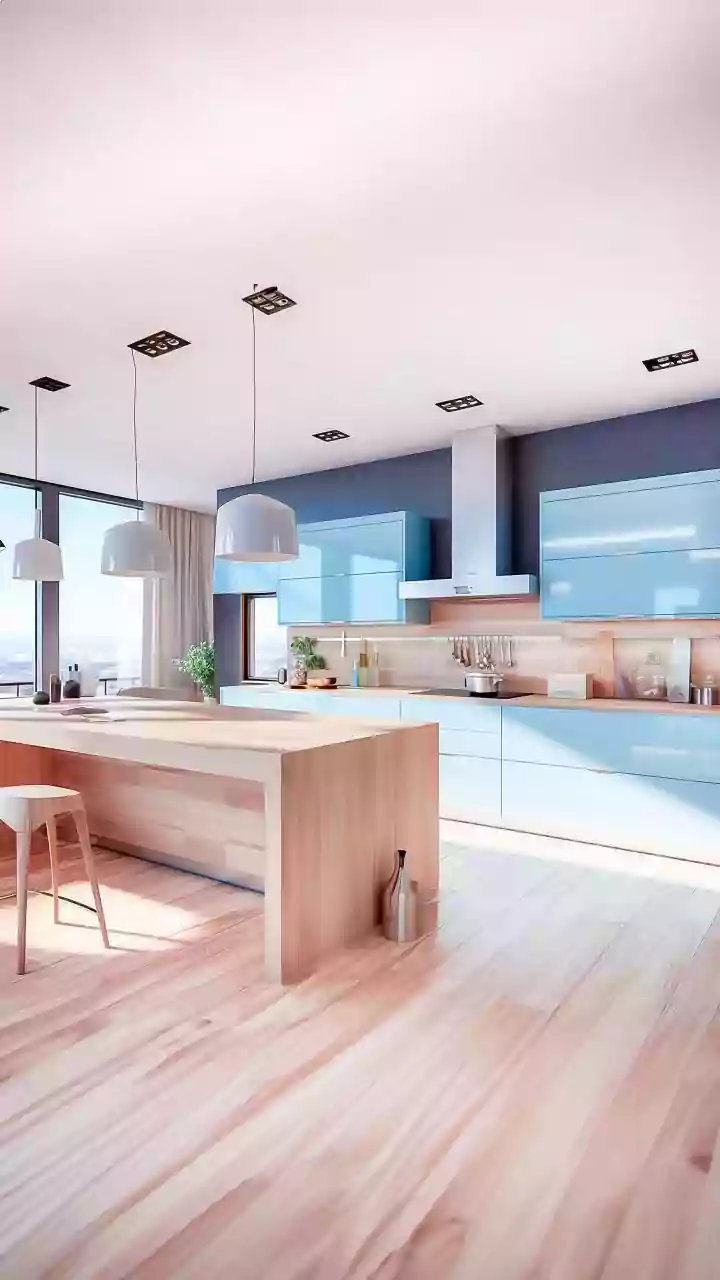
Not long ago, the aspirational Indian home looked like it could have been plucked from a catalog in Milan or Manhattan. Dominated by imported marble, chrome finishes, and a neutral palette, the goal was a globalized, brand-name luxury. But designers across
India report a significant shift. Homeowners are increasingly rejecting this cookie-cutter aesthetic in favor of something more authentic and rooted. This isn't just about decoration; it's a quiet rebellion against the impersonal. After years of rapid modernization and looking outward, there's a growing confidence and desire to look inward—to celebrate a uniquely Indian identity within the home's four walls. The pandemic accelerated this trend, as extended time spent indoors made people crave environments that were not just stylish, but also comforting, functional, and reflective of their personal history.
The Hands of the Artisan
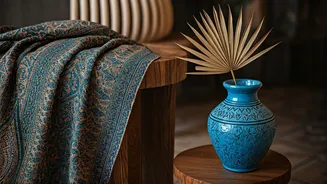
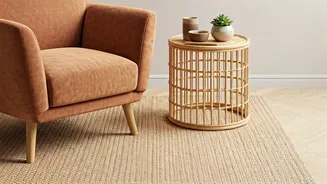
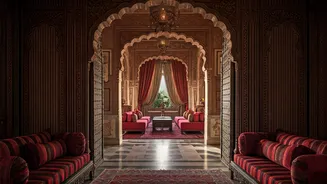
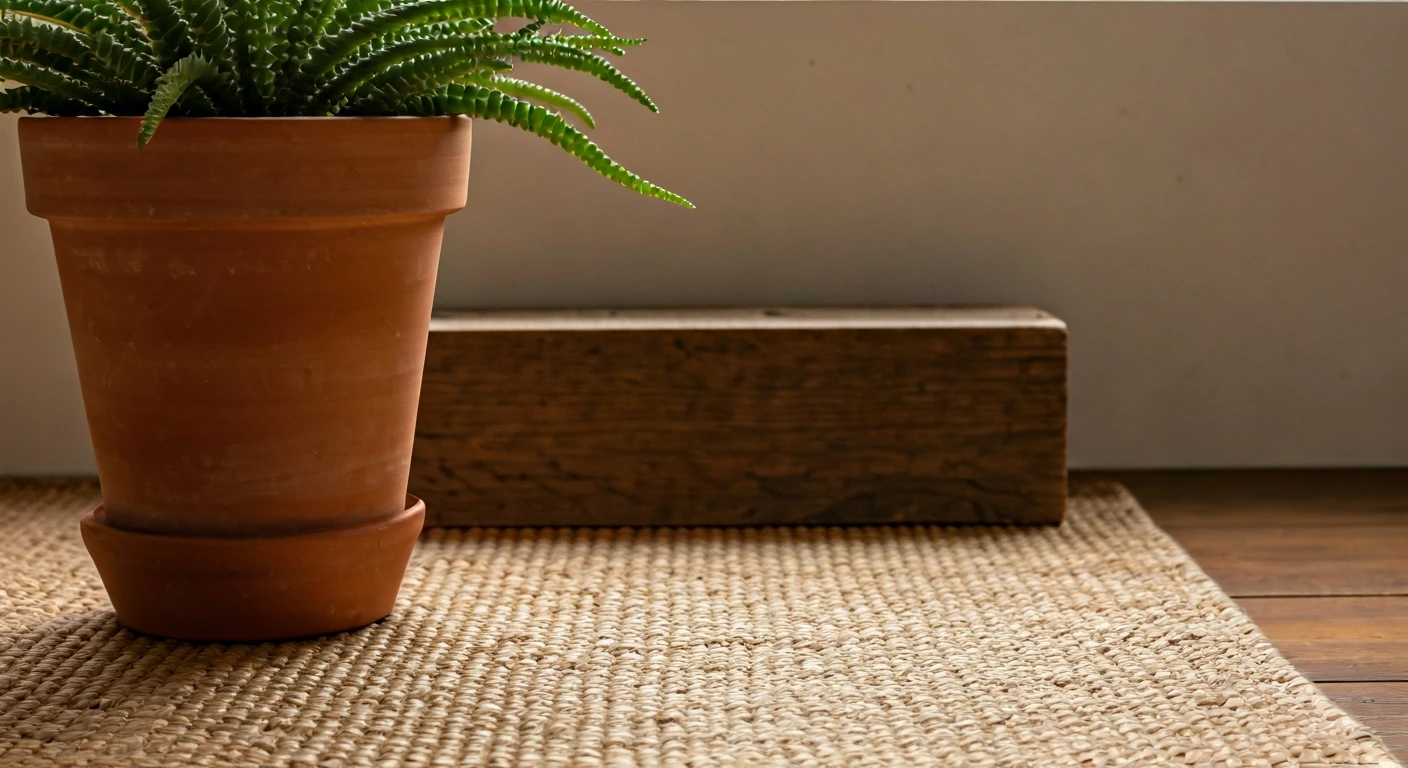
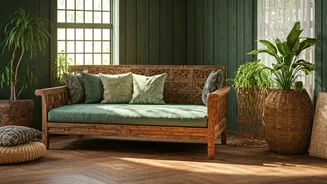
At the heart of this movement is a renewed appreciation for craft. Instead of mass-produced furniture, the focus is on unique, handmade pieces that tell a story of skill and tradition. This means incorporating elements like hand-carved wooden panels, intricate 'jali' (lattice) screens that play with light and shadow, and furniture made from local materials like teak, rosewood, and cane. Textiles are playing a starring role. Sofas are upholstered in vibrant, block-printed fabrics from Jaipur, curtains are made of delicate Chanderi silk, and floors are layered with hand-knotted rugs. It’s a celebration of imperfection and human touch. A slightly uneven weave or the unique grain of a piece of wood is no longer a flaw but a mark of authenticity—a tangible connection to the artisan who created it.
Modern Heirlooms and Cultural Nods
Culture is being woven into the very fabric of these homes, but not in a way that feels like a museum. It’s about a thoughtful, modern reinterpretation of tradition. An antique 'jhoola' (swing) might be suspended in a contemporary living room, providing a playful seating area. Ornate brass urlis, traditionally used for floating flowers, might be repurposed as chic table centerpieces. Family heirlooms—a grandmother’s tarnished silver box, old black-and-white photographs, or a collection of vintage brassware—are being brought out of storage and given pride of place. These objects serve as anchors to a family’s past, creating a narrative that unfolds from room to room. The design is less about following a rigid set of rules and more about curating a space that feels like a personal sanctuary, layered with memories and meaning.
Designing for Connection and Comfort
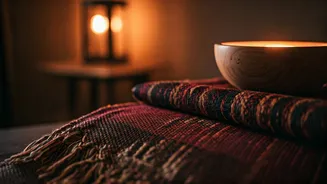
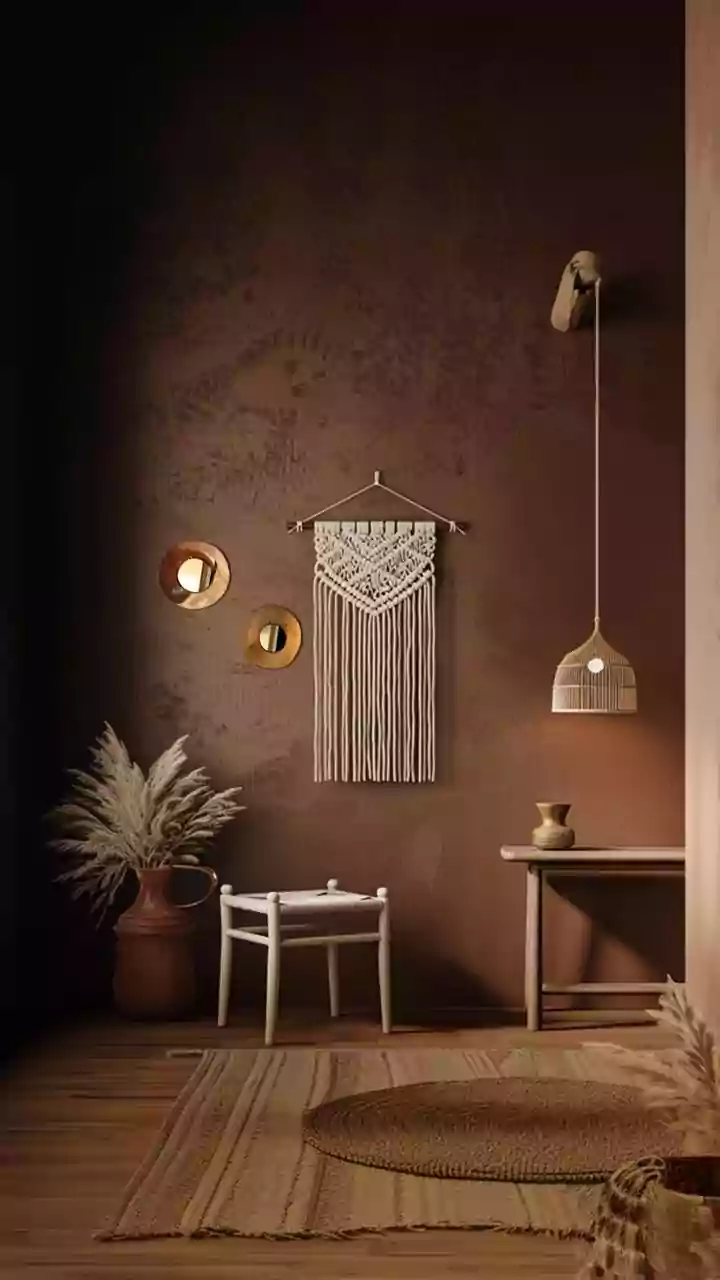
Finally, there is the pursuit of warmth—an emotional and sensory quality that was often missing from minimalist spaces. This is achieved through a richer, earthier color palette. Gone are the sterile whites and grays, replaced by jewel tones like emerald and sapphire, warm terracotta, deep ochre, and serene shades of indigo. Texture is key to creating this cozy, enveloping feel. Think of the interplay between a smooth marble floor, a rough-hewn wooden coffee table, a velvet sofa, and silk cushions. Lighting is also being reconsidered, moving away from harsh overhead fixtures to layered, ambient light from floor lamps, artisanal pendants, and candles that create an inviting glow. The layout of homes is also changing to foster connection, with open-plan living areas giving way to cozier nooks and distinct zones for family gatherings, quiet reading, and work.