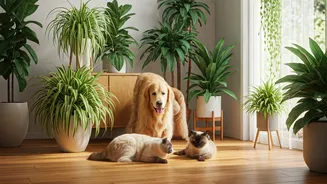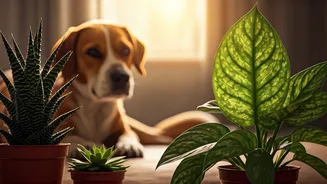





The Green Boom Meets the Fur Boom
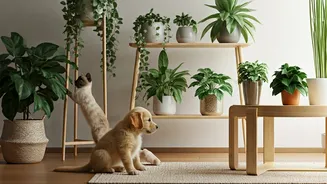
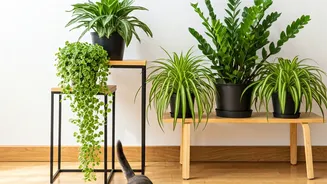
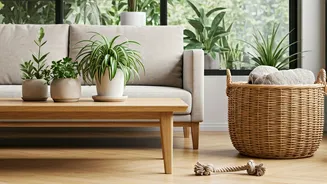
For years, two cultural trends have been on a collision course. First, the houseplant explosion, which turned urban apartments and suburban homes into lush, Instagram-worthy greenhouses. Fueled by a desire to connect with nature and beautify our spaces
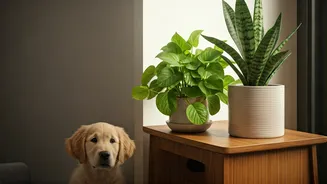
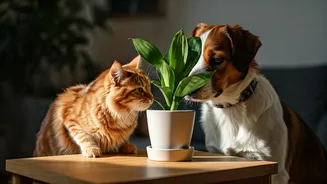
during lockdown, plant sales skyrocketed. At the same time, pet ownership, particularly among millennials and Gen Z, has soared. More than ever, pets are considered integral family members, earning the affectionate title of “fur babies” from their devoted “pet parents.” This convergence has created a hidden danger in plain sight. Many of the most popular and photogenic houseplants—the very ones filling our social media feeds—are toxic to cats and dogs. The beautiful lily that brightens a kitchen counter can cause fatal kidney failure in a cat. The trendy sago palm in the living room can lead to liver failure if chewed by a curious dog. For a long time, this risk went largely unacknowledged, but the tide is turning as veterinary poison hotlines report a steady stream of plant-related calls.
Why Now? The Rise of the Informed Pet Parent
The shift isn't accidental. It’s driven by a new generation of pet owners who are more connected and proactive than ever before. Information that was once confined to veterinary pamphlets is now a viral TikTok video or an Instagram infographic away. Vets and pet influencers are increasingly using these platforms to sound the alarm, sharing horror stories and, more importantly, life-saving information.
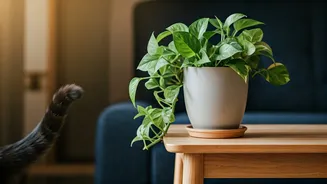
This digital-age awareness is coupled with a fundamental change in how we view our pets. When you see your dog or cat as a child, you start to child-proof your home. For pet parents, that means looking at their environment through their pet’s eyes. A dangling pothos vine isn't just decor; it's a tempting, and potentially toxic, chew toy. This heightened sense of responsibility is pushing people to do their homework *before* bringing a new plant home, transforming plant shopping from a purely aesthetic choice into a safety-conscious decision.
The Most Wanted: Common Toxic Houseplants
Many popular plants can cause reactions ranging from mild irritation to severe organ damage. According to the ASPCA, which maintains an extensive list, some of the most common offenders found in U.S. homes include:
- Lilies: All parts of the lily (and related plants in the Lilium and Hemerocallis genera) are extremely toxic to cats. Even a small amount of pollen can be lethal.
- Sago Palm: A stylish and popular choice, but every part of this plant is highly toxic to both dogs and cats, often causing severe liver damage.
- Snake Plant (Sansevieria): While its toxicity is milder, chewing on this hardy plant can cause nausea, vomiting, and diarrhea in pets.
- Pothos & Philodendron: These trailing beauties contain calcium oxalate crystals, which cause intense oral irritation, pain, swelling of the mouth, and drooling if ingested.
- Dieffenbachia (Dumb Cane): Similar to pothos, this plant’s crystals cause severe oral pain and can lead to difficulty swallowing or breathing.
- Aloe Vera: While known for its soothing properties for humans, it is toxic for pets if ingested, leading to vomiting and diarrhea.
Go Green Without Guilt: Pet-Safe Alternatives
The good news is that you don’t have to choose between your pet and your plants. There are hundreds of beautiful, non-toxic options that can give you that jungle vibe without the worry. Consider these safe and stylish swaps:
- Instead of a Sago Palm, try a Parlor Palm: This elegant palm is lush and dramatic but completely non-toxic to cats and dogs.
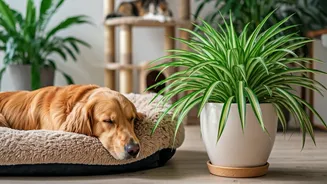
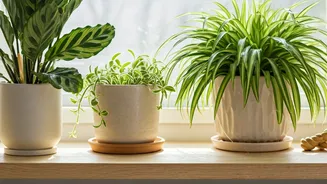
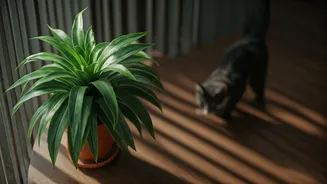
- Instead of Pothos, try a Spider Plant: This classic, easy-to-care-for plant is famously resilient and safe for pets. Its dangling “spiderettes” are also fun for cats to bat at, without the danger.
- Instead of a toxic lily, try an Orchid: Most orchid varieties are considered safe for pets and add a sophisticated pop of color.
- Instead of a Snake Plant, try a Cast Iron Plant: As the name suggests, this plant is nearly indestructible and is also non-toxic.
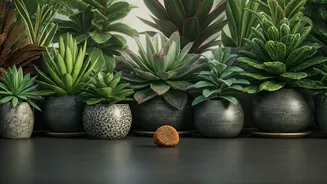
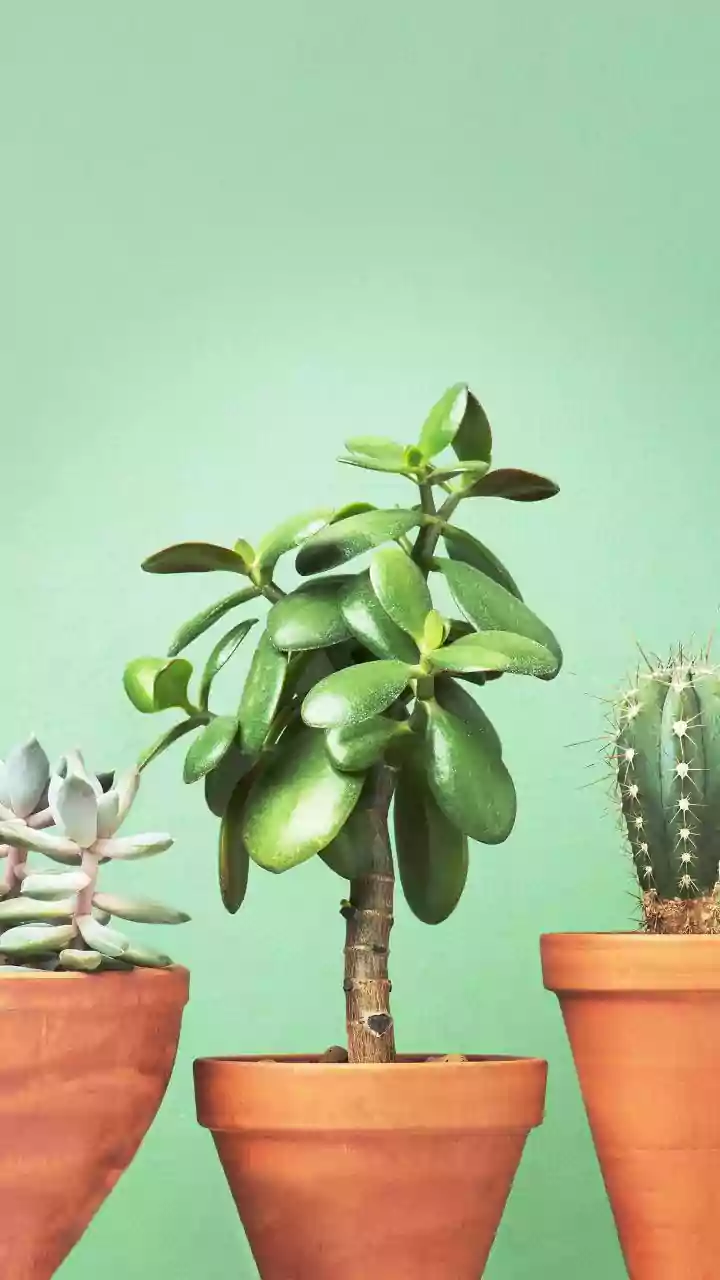
- Other Great Options: Other fantastic, pet-safe choices include the Prayer Plant (Calathea), Boston Fern, and many varieties of succulents like Haworthia and Echeveria.
Signs of Trouble and What To Do
Even with the best precautions, accidents can happen. If you suspect your pet has ingested a toxic plant, look for symptoms like drooling, vomiting, diarrhea, lethargy, loss of appetite, or difficulty breathing. The most important step is to act fast.
1. Remove your pet from the area and make sure they can't consume any more of the plant.
2. Call your veterinarian or an animal emergency clinic immediately. Do not wait for symptoms to worsen.
3. If possible, identify the plant. Take a photo or a piece of the plant with you to the vet. This will help them determine the specific toxin and best course of treatment.
4. Have the number for the ASPCA Animal Poison Control Center (888-426-4435) saved in your phone. They are an invaluable 24/7 resource, though a consultation fee may apply.