
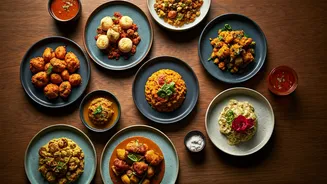
Beyond the Buffet Standard
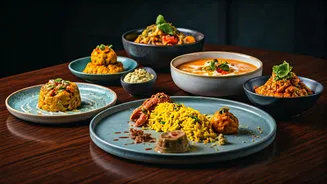
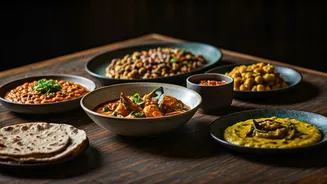
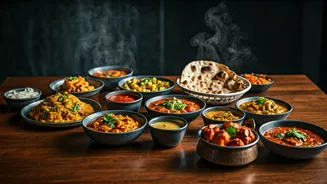
For many Americans, the introduction to Indian cuisine came via the all-you-can-eat lunch buffet or a menu of greatest hits: chicken tikka masala, saag paneer, lamb vindaloo. These dishes, often North Indian or Punjabi in origin, are delicious gateways.
They served a vital purpose, establishing a foothold for a complex and diverse culinary tradition in a new country. But in the process of creating a consistent, accessible experience, much of the cuisine’s vast regional and seasonal variety was inevitably flattened. The menu at a Boston restaurant in January often looked identical to one in Los Angeles in July. While comforting and reliable, this model rarely showcased the nimble, produce-driven cooking that happens in homes across India.
The Farm-to-Table Philosophy Arrives
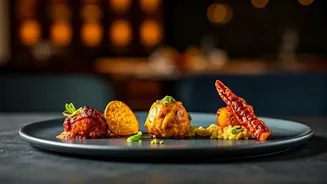
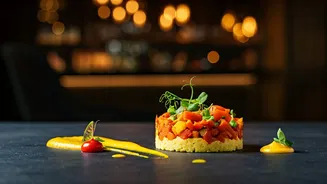
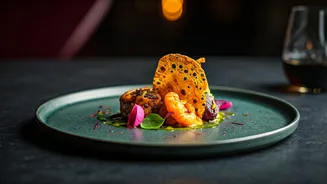
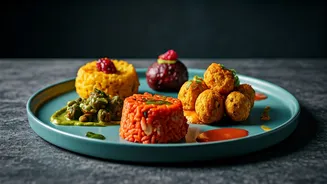
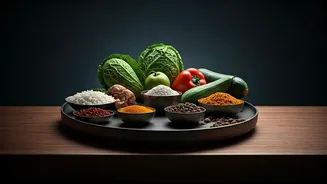
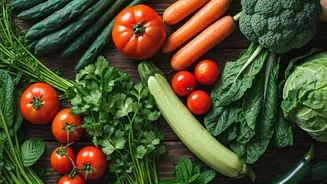
Now, a generation of Indian and Indian-American chefs is rewriting the script. They are applying the same farm-to-table, seasonal ethos that revolutionized New American and Californian cuisine over the past two decades to the vibrant flavors of their heritage. The result is a thrilling new chapter for Indian food in the U.S. Instead of relying on imported or frozen vegetables to recreate a dish exactly as it’s made 8,000 miles away, these chefs are asking a different question: What would my grandmother in Kerala or Gujarat have cooked if she had access to a New England farm stand in June? This philosophy moves beyond the static menu, allowing for dishes that are alive, responsive, and deeply connected to a specific time and place.
Unlocking Regional Diversity
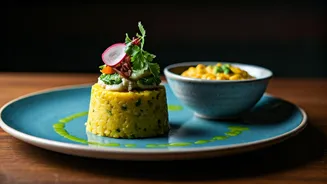
This seasonal approach does more than just make food taste fresher; it unlocks the staggering diversity of India’s regional cuisines. Many regional dishes are built around specific, seasonal produce that doesn’t travel well or isn’t widely available in the U.S. By substituting with local, seasonal equivalents, chefs can finally bring these hyper-specific, regional gems to a wider audience. A summer squash from a local farm might stand in for a specific Indian gourd in a Bengali *sabzi*. Sweet corn might find its way into a Maharashtrian-style curry. Chefs at acclaimed restaurants like New York’s Dhamaka or Semma have built their entire concepts around this, using local American ingredients—from game meats to seasonal fish—as a canvas for unapologetically authentic regional Indian flavors that most Americans have never experienced.
Chefs as Storytellers
At its heart, this movement is about giving Indian food in America its own unique identity—one that respects its roots while embracing its new home. Chefs are no longer just cooks; they are culinary translators and storytellers. They are using asparagus in the spring and butternut squash in the fall not as a gimmick, but as a way to express a more personal and honest version of their cuisine. It’s a profound shift from replication to interpretation. This approach gives the food a narrative, a sense of place, and what many diners can only describe as “soul.” It’s the difference between a dish that is simply made and a dish that feels like it was truly *created*, with intention and a deep connection to both the farmer’s field and the chef’s memory.