




Beyond the Traditional Mithai Box
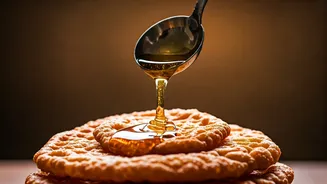
For many Americans, Indian sweets, or *mithai*, might conjure a vague image of a brightly colored, intensely sweet treat from a local restaurant’s buffet line. While classics like gulab jamun (fried dough balls in syrup) and jalebi (syrup-soaked spirals)
are beloved staples, they represent just the opening chapter of a much larger story. Today, a new wave of pastry chefs and culinary entrepreneurs, many of them second-generation Indian Americans, are reimagining these traditions for a modern palate. They are deconstructing classic recipes, infusing them with global techniques, and presenting them with a level of artistry that rivals a French patisserie. This isn't about replacing tradition; it's about expanding it. The result is a vibrant, exciting movement that’s finally giving Indian desserts their long-overdue moment in the mainstream American spotlight.
The New Guard of Sweet-Makers
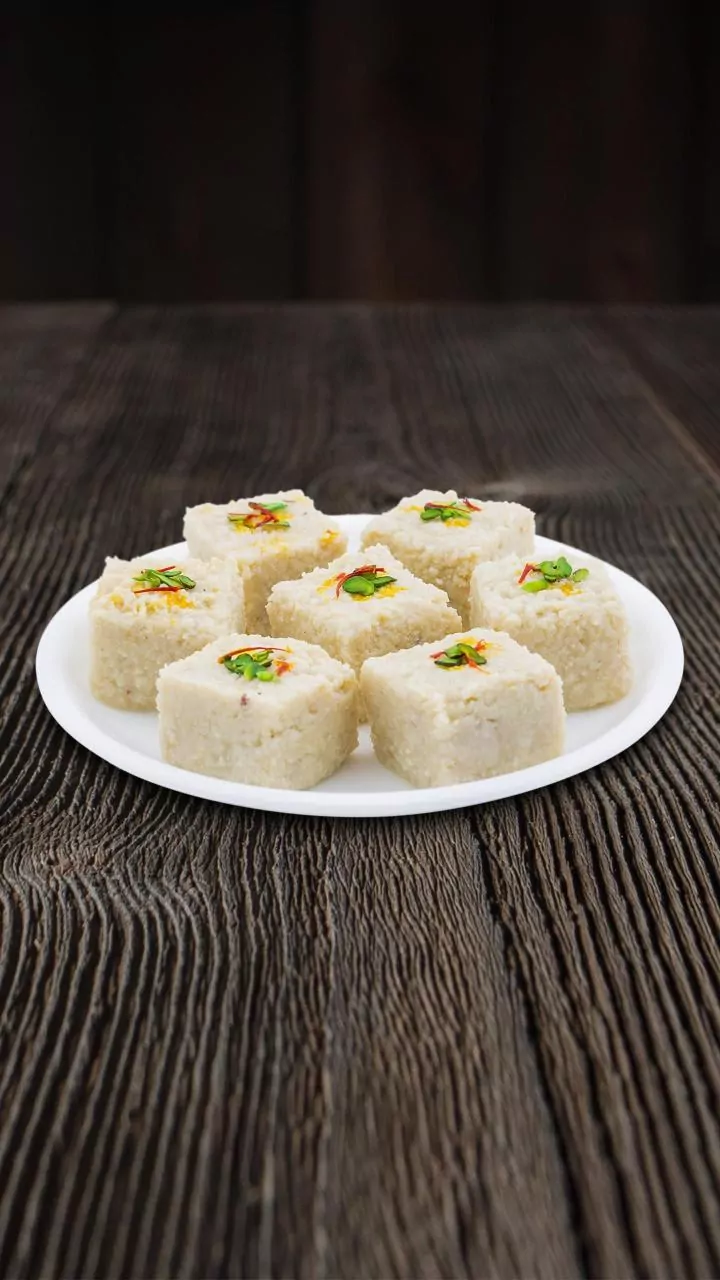
This trend is being driven by a creative class of chefs who grew up between two cultures. They have fond memories of their mother’s kheer (rice pudding) or the boxes of barfi (a dense, milk-based sweet) shared during Diwali, but they also trained in kitchens that revered French macarons and Italian tiramisu. Instead of seeing these worlds as separate, they see an opportunity for fusion. At bakeries and in restaurants from New York to San Francisco, you’ll find these innovators proudly putting their heritage on the menu. They are using their platform to educate diners, showing them that Indian flavors can be nuanced, complex, and sophisticated. It’s a powerful act of cultural translation, transforming the flavors of home into a language that any dessert lover can understand and appreciate.
A Collision of Flavors and Techniques
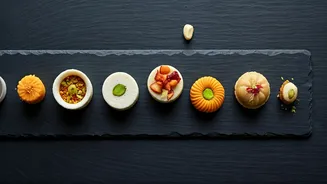
So what does a “fancy” Indian sweet actually look and taste like? It might be a gulab jamun cheesecake, where the soft, syrupy doughnut-like ball is baked into a creamy, tangy New York-style cheesecake, creating a perfect marriage of East and West. It could be a delicate macaron flavored with chai spice or a hint of rose. Picture a panna cotta subtly infused with saffron and pistachio, or a traditional ladoo (a ball-shaped sweet typically made with flour and sugar) re-envisioned as a healthy, gluten-free energy bite with dates and nuts. These creations often feature a more balanced sweetness, allowing the complexity of the spices—the warmth of cardamom, the floral notes of rosewater, the earthy richness of saffron—to take center stage. They also play with texture, combining the soft, fudgy consistency of traditional barfi with the crispness of a shortbread crust or a delicate tuile.
Why the Moment Is Happening Now
Several factors are contributing to this sweet surge. The rise of social media platforms like Instagram has provided a perfect stage for these visually stunning desserts, turning them into photogenic stars. A broader cultural shift towards global flavors has also primed American diners to be more adventurous. After years of embracing Sriracha, gochujang, and za’atar, consumers are ready and eager to explore new taste profiles. Furthermore, there's a growing desire within the Indian diaspora itself to celebrate and elevate its own culinary heritage. For many of the chefs behind this movement, it’s a way of connecting with their roots while making their own unique mark. They are crafting desserts that are both deeply personal and universally appealing, proving that the future of dessert is more diverse, and more delicious, than ever before.