






The Shift to Softer
The first major change is textural. We’re moving away from the crispy, crunchy, and often greasy staples of the past toward foods that are gentler on our systems. Think about the explosive popularity of yogurt bowls, swirled with fruit compote and nut
butter, or overnight oats, which transform into a creamy, pudding-like consistency while you sleep. Smoothies have graduated from a niche health food to a mainstream morning ritual, blending fruits, vegetables, and protein into a drinkable, easily digestible meal. This trend even extends to global influences, with savory options like Japanese tamago sando (a pillowy egg salad sandwich on milk bread) and Chinese congee (a savory rice porridge) finding a foothold on American menus. The driving force isn't just a matter of taste; it’s a reflection of the growing wellness movement. Consumers are more attuned to gut health and mindful of starting the day with something that feels nourishing and calming, not shocking and heavy.
Lighter in Spirit and Substance
Alongside the move to softer textures is a demand for lighter fare. The post-breakfast “food coma” — that sluggish, weighed-down feeling after a carb-heavy meal — is something many are actively trying to avoid. The lumberjack breakfast, designed to fuel a day of hard physical labor, doesn't quite fit a morning spent answering emails. In its place are meals high in protein and fiber that provide sustained energy. This is why you see the rise of breakfast salads, egg bites, and protein-packed cottage cheese bowls. Even traditional items are getting a lighter makeover. Pancakes are now frequently made with whole wheat, almond, or oat flour, topped with fresh fruit instead of drowning in syrup. The goal has shifted from 'filling up' to 'fueling up.' This lighter approach is less about restrictive dieting and more about feeling agile, focused, and ready to tackle the day without being dragged down by a meal that requires a nap to digest.
Breakfast Gets Smarter
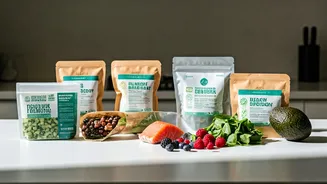
Perhaps the most significant evolution is that breakfast is becoming 'smarter' in two key ways. First, there's nutritional intelligence. We're not just eating for energy; we're eating for function. This means incorporating ingredients with specific benefits: probiotics in yogurt for gut health, adaptogens like ashwagandha in smoothies to manage stress, and MCT oil in coffee for cognitive focus. The modern breakfast is a tool for bio-hacking your morning, with a focus on low sugar, high protein, and healthy fats. The second element of 'smarter' is convenience. Our mornings are more compressed than ever, and breakfast needs to fit seamlessly into a busy schedule. This has fueled the boom in high-quality grab-and-go options, from freshly made breakfast burritos at the local coffee shop to subscription services that deliver pre-portioned smoothie packs or frozen, heat-and-eat oatmeal cups. Smart technology is also entering the kitchen, with appliances that can perfectly time a soft-boiled egg or blend a smoothie with the press of a button on a smartphone app. The smartest breakfast is one that delivers maximum nutritional benefit with minimal effort and time.