





The Visa Welcome Mat
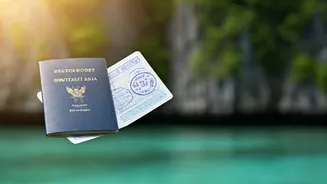
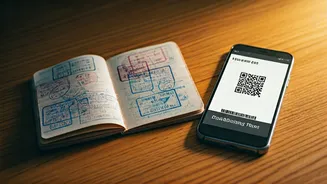
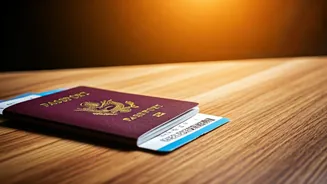
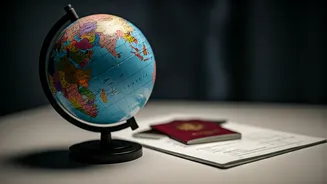
The most significant catalyst for this travel boom isn't a new airline route or a viral TikTok video; it's something far more practical: bureaucracy, or rather, the lack of it. In a strategic move to capture one of the world's fastest-growing tourism
markets, countries like Thailand, Malaysia, and Sri Lanka have recently waived visa requirements for Indian passport holders. Vietnam has streamlined its process, making entry easier than ever. For the Indian traveler, this removes a major psychological and financial barrier. The dreaded process of gathering documents, booking appointments, and paying hefty visa fees is gone. Instead, a trip to Phuket or Penang is now as easy to plan as a domestic getaway, turning a week-long dream into a spontaneous weekend reality. This open-door policy sends a powerful message: you are not just a tourist; you are a welcome guest.
The Ultimate 'Value-for-Rupee' Equation
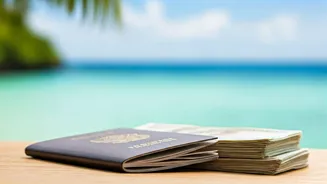
While affordability is a key driver, it’s a misconception to think this is just about finding the cheapest deal. For the burgeoning Indian middle and upper-middle class, it’s about the *value* proposition. The money that might secure a decent hotel in Europe or the U.S. can unlock a world of luxury in Southeast Asia. We're talking infinity pools, five-star service, and world-class dining for a fraction of the Western cost. This 'value-for-rupee' calculation is crucial. It allows travelers to experience a level of opulence and comfort that might be out of reach elsewhere. A family can enjoy a private villa in Bali for the price of a standard hotel room in Orlando. This feeling of accessible luxury is a powerful intoxicant and a primary reason the region remains a perennial favorite.
A Taste of Familiarity, With a Twist
This is the heart of the “comfort zone” phenomenon. For many Indian travelers, especially families and older couples, navigating a completely alien culture can be stressful. Southeast Asia offers the perfect balance of exotic and familiar. Finding vegetarian food, a critical requirement for a large portion of Indians, is remarkably easy. Indian restaurants are ubiquitous, but so are local vegetarian curries and stir-fries. English is widely spoken in tourist hubs, eliminating communication barriers. More profoundly, there’s a shared cultural undercurrent. The Hindu-Buddhist roots visible in the temples of Angkor Wat or the Ramayana carvings in Bali resonate deeply. This cultural shorthand creates an environment that feels adventurous without being intimidating, allowing travelers to relax and immerse themselves fully.
From Bollywood to Your Instagram Feed
The region’s appeal is amplified constantly through pop culture. Southeast Asia’s stunning landscapes have become the go-to backdrop for Bollywood films, music videos, and the aspirational content of India's top social media influencers. When a superstar like Shah Rukh Khan shoots a movie sequence on a pristine Thai beach, it doesn't just sell movie tickets; it sells plane tickets. This creates a powerful feedback loop. The destinations become iconic through media, and travelers flock to recreate those moments for their own Instagram feeds. The short flight times—most major Indian cities are just a 4-to-6-hour flight away—make these cinematic dreams easily achievable, cementing the region's status as the default choice for a quick, glamorous, and culturally resonant escape.