





The Festival of Chariots, Explained
First, what exactly is this event captivating screens across the globe? Ratha Yatra is an annual Hindu festival held in the coastal city of Puri in Odisha, India. It’s one of the oldest and largest religious processions in the world. The festival honors
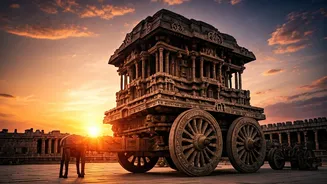
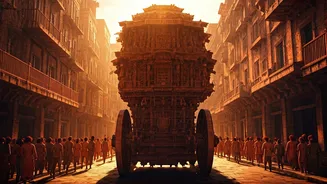
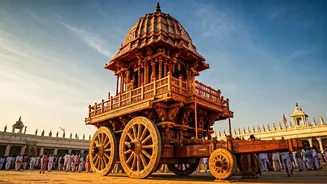
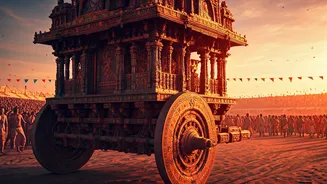
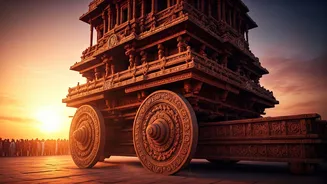
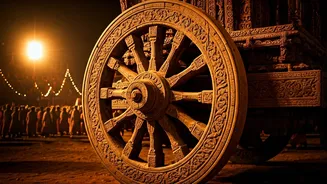
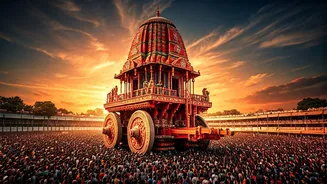
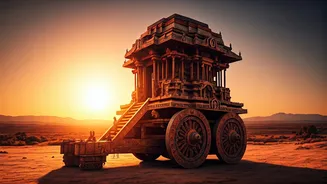
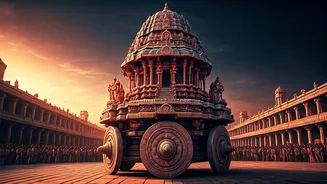
Lord Jagannath—a form of the deity Vishnu—along with his brother Balabhadra and sister Subhadra. During the event, their idols are moved from their home temple to another nearby shrine in three colossal, ornately decorated wooden chariots. The word ‘juggernaut’ in English is literally derived from Jagannath and the unstoppable force of his chariot moving through the masses. For centuries, millions of devotees have thronged the streets of Puri to pull these massive chariots by hand, believing the act to be a deeply pious one. It’s a spectacle of immense faith, community, and tradition, broadcast live across India and, increasingly, the world.
A Digital Pilgrimage
The claim that Gen Z is “tuning in” isn’t about them booking flights to Odisha en masse. Instead, their engagement is almost entirely digital, a form of cultural and spiritual tourism conducted from their phones. Platforms like Instagram, YouTube, and TikTok are flooded with content during the festival. A search for #RathaYatra or #JagannathPuri reveals a stunning visual feast: sweeping drone shots of the immense crowds, time-lapses of the giant chariots being constructed, and vibrant Reels capturing the rhythmic chanting and devotional music. Livestreams allow anyone, anywhere, to witness the procession in real time. For a generation raised on visual media and global connectivity, the Ratha Yatra offers content that is both epic in scale and deeply authentic—a far cry from the polished, algorithm-driven feeds they typically consume. It’s raw, chaotic, and profoundly human.
The Search for Meaning and Spectacle
So, why the fascination? It taps into several key Gen Z sensibilities. Firstly, there's a growing interest in spirituality over organized religion. Many young Americans are “spiritual but not religious,” and they are exploring belief systems from around the world that offer different perspectives on meaning and existence. The Ratha Yatra, with its focus on communal devotion and direct experience, offers an intriguing alternative to the structured, sermon-based services they may have grown up with. Secondly, there’s the sheer, undeniable spectacle. In an era of CGI blockbusters, the sight of a million people pulling 45-foot-tall wooden chariots is an awe-inspiring display of real-world effort and faith. It feels ancient and immediate at the same time. This blend of profound spirituality and jaw-dropping visuals makes it perfectly suited for a generation that communicates through powerful imagery.
More Than Just a Passing Trend
This isn't just an isolated phenomenon. It's part of a broader pattern of Gen Z using the internet to bypass traditional gatekeepers and explore global cultures on their own terms. Whether it's discovering niche musical genres from another continent, learning about ancient philosophies through YouTube essays, or following international creators, this generation sees the world as an accessible, interconnected space. The interest in the Ratha Yatra isn't necessarily about conversion to Hinduism; for many, it's about appreciation, curiosity, and the desire to connect with something larger than themselves. It represents a move away from a purely Western-centric cultural diet toward a more global palate, facilitated by technology that makes a festival in Puri feel as immediate as one down the street.