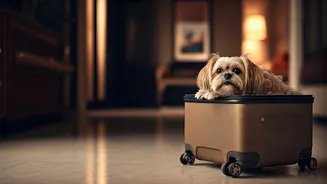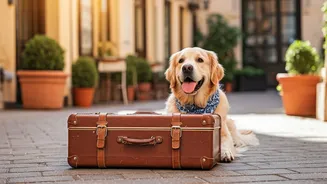







The Rise of the 'Paw-ssport'
The travel landscape is being fundamentally redrawn, not by a new technology or destination, but by our pets. What was once a niche, often frustrating search for a roadside motel that would tolerate a dog has exploded into a mainstream booking priority.
According to data from major platforms, the 'pets allowed' filter is now one of the most frequently used search criteria. Airbnb reported that searches using this filter have surged dramatically, becoming one of its top amenities sought by guests globally. Similarly, Vrbo noted a significant year-over-year increase in families searching for pet-friendly vacation homes. This isn’t a fleeting fad; it’s a reflection of a deep-seated cultural shift in how Americans view their pets. They’re not just animals we own; they’re bona fide family members, and leaving them behind feels less like an inconvenience and more like leaving a child out of the family photo.
Fueled by the Pandemic Pet Boom
So, why the sudden acceleration? Much of it traces back to the pandemic. The wave of 'pandemic puppies' and kittens adopted during lockdowns created millions of new, deeply bonded pet owners. As remote and hybrid work models became the norm, people spent more time than ever with their furry companions, integrating them fully into their daily lives. This bond wasn't something people were willing to break just for a one-week vacation. The new expectation became clear: where I go, my pet goes. This created a massive, underserved market of travelers who were not just willing, but eager, to pay a premium for accommodations that welcomed their entire family, paws and all. The travel industry, hungry for recovery after a brutal few years, finally got the message loud and clear.
Beyond 'Pet-Tolerant' to 'Pet-Welcoming'
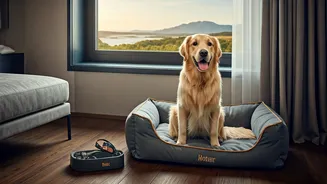
The most successful hotels and rental owners understand that simply not saying 'no' to pets is no longer enough. The new standard is a genuinely 'pet-welcoming' experience. This means going the extra mile with amenities that cater directly to the four-legged guest. We’re seeing a rise in hotels offering custom pet beds, food and water bowls, and welcome bags filled with treats and toys. Some high-end chains have even rolled out dedicated 'bark-et' menus with pet-safe culinary creations. Hilton, through its partnership with Mars Petcare, has standardized its pet-friendly policies across thousands of properties, providing access to virtual vet support and designated relief areas. On the vacation rental side, hosts are highlighting features like fenced-in yards and proximity to dog parks as major selling points. It's a competitive advantage that directly translates to higher booking rates and glowing reviews.
What This Means For All Travelers
This trend has implications for everyone, not just pet owners. For those traveling with a furry friend, the world has opened up. There are more choices, better quality stays, and less anxiety about your pet's well-being. But for travelers with allergies, a fear of dogs, or simply a preference for a pet-free environment, it requires a new level of awareness when booking. The good news is that the industry is adapting here, too. Many hotels are designating specific 'pet-friendly' floors to contain potential allergens and noise. Enhanced cleaning protocols have become standard practice, not just for hygiene but to ensure the comfort of the next guest, whether they have two legs or four. As a traveler, it now pays to read the fine print. Look for details on pet fees, weight or breed restrictions, and the hotel's specific policies for managing a mixed clientele.