


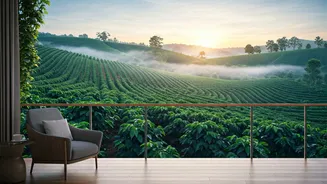
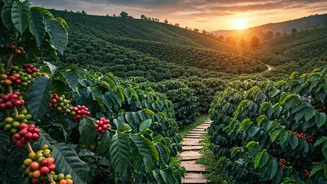


More Than Your Morning Buzz
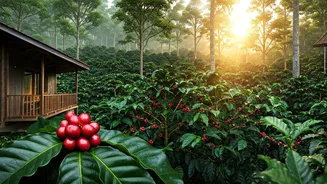
So, what exactly is a coffee estate vacation? It’s a form of agritourism where you stay on or near a working coffee farm, often in a charming guesthouse, boutique hotel, or a renovated hacienda. Unlike a quick tour, this is a deep dive. It’s an opportunity
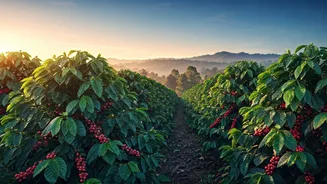
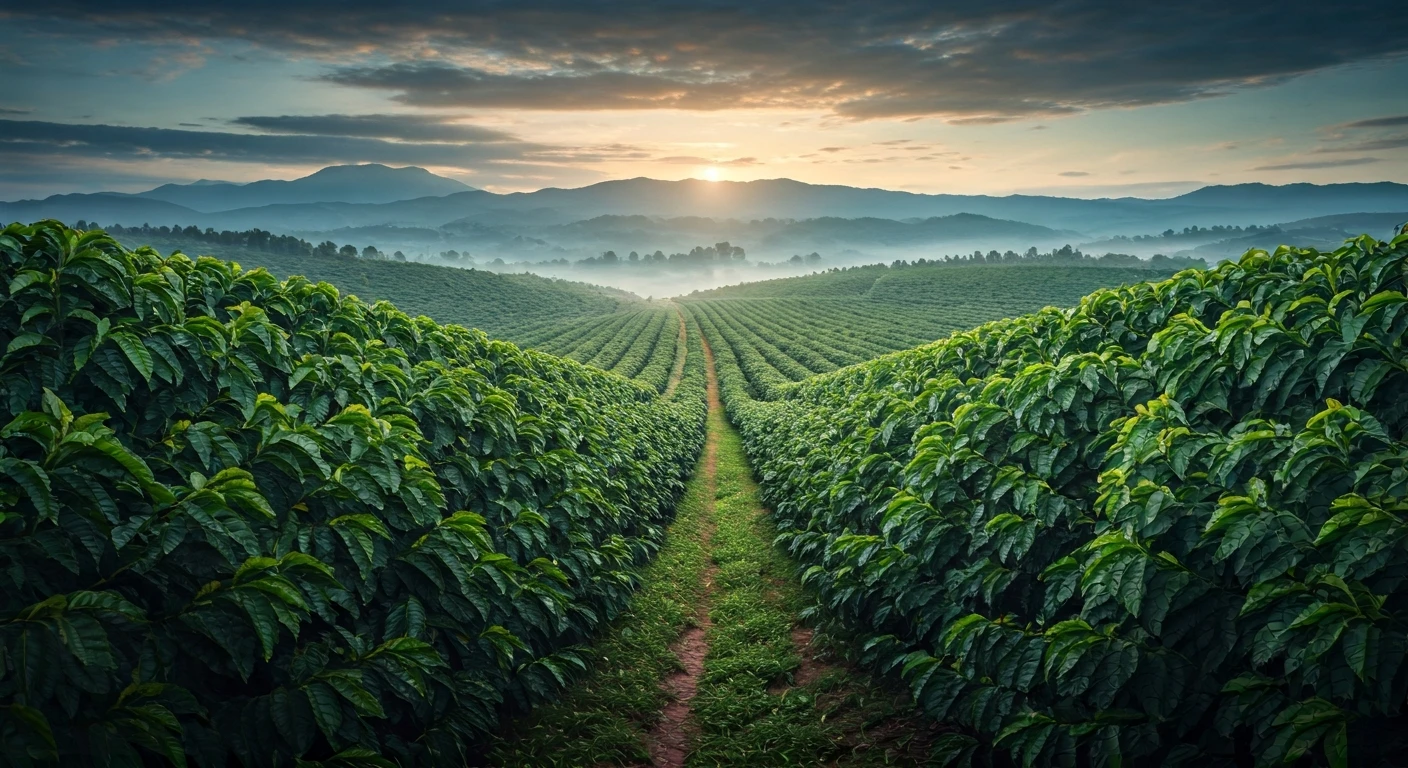
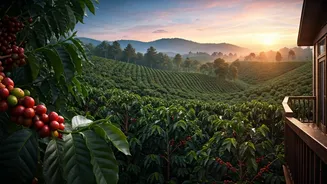
to live, for a few days, at the very source of one of the world's most beloved beverages. Travelers are trading generic hotel lobbies for the lush, rolling hills where coffee cherries ripen on the branch. This isn't just about consumption; it's about connection—to the land, the process, and the people who cultivate your daily cup.
The Rise of Conscious Travel
The resurgence of coffee tourism isn't happening in a vacuum. It taps directly into the post-pandemic craving for more meaningful travel. After years of restrictions, many Americans are seeking authenticity over artifice. They want experiences that feel real, educational, and sustainable. A coffee farm stay checks all the boxes: it’s an escape into nature, it supports local agricultural economies directly, and it offers a hands-on education in a craft that spans the globe. This trend is part of a larger shift towards “slow travel,” where the goal is to immerse yourself in a single place rather than rushing through a packed itinerary.
From Bean to Cup: A Day on the Farm
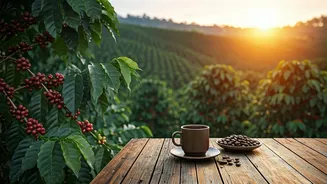
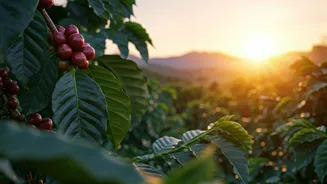
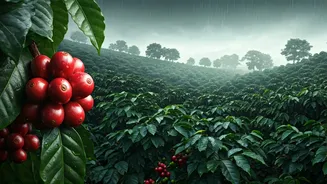
A stay on a coffee estate is an alarm clock for the senses. Days often start with a cup brewed from beans grown just steps from your room. Activities are built around the coffee lifecycle. You might join a guided walk through the plantation, learning to distinguish Arabica from Robusta plants. Depending on the season, you could participate in the harvest, picking the bright red coffee cherries yourself. Many farms offer workshops where you can see the beans being washed, dried, and roasted, culminating in a “cupping” (a professional coffee tasting) where you learn to identify notes of citrus, chocolate, or spice, just like a sommelier would with wine. It’s a full-circle journey that transforms your morning ritual forever.
Hotspot: Latin America's Coffee Axis
When travelers think of coffee, Latin America often comes to mind first, and for good reason. Colombia's 'Eje Cafetero' (Coffee Axis), a UNESCO World Heritage site, is dotted with traditional 'fincas' that welcome guests with open arms. Here, you can stay in beautifully preserved farmhouses surrounded by stunning green landscapes. Costa Rica is another prime destination, famous for its high-altitude beans and focus on eco-tourism. Many lodges in regions like the Orosi Valley are deeply committed to sustainability, combining coffee education with bird watching and volcano hikes. These destinations offer a classic, idyllic version of the coffee estate experience.
Domestic Brews: A U.S. Coffee Vacation
You don't need a passport to get in on this trend. The United States has its own burgeoning coffee-growing regions. The most famous is Hawaii's Kona district on the Big Island, where dozens of small, family-run farms offer tours and stays with breathtaking ocean views. Beyond Hawaii, Puerto Rico is rebuilding its historic coffee industry, with haciendas in the central mountains offering a unique cultural and agricultural experience. Even mainland U.S. is getting in on the action, with a small but growing number of farms in Southern California experimenting with coffee cultivation and offering visitor experiences.
How to Pick the Perfect Stay
When booking your trip, look for a few key things. First, consider the experience you want. Are you looking for a rustic, hands-on farm stay or a more luxurious boutique hotel with coffee-themed amenities? Read reviews to see how much interaction guests have with the farm's owners and the coffee-making process. Look for estates that prioritize sustainability, whether through organic farming practices or fair labor certifications. Finally, check the size. Smaller, family-owned operations often provide a more personal and authentic glimpse into the life of a coffee grower.