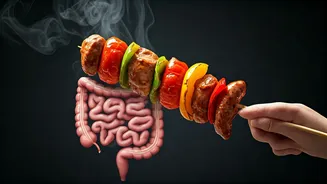







Why the Renewed Buzz?
The conversation isn't new, but its volume is turned up. The primary driver is the massive, post-pandemic return to international travel. More people are exploring far-flung destinations, many for the first time, and sharing their experiences—good and bad—on
social media. A single viral video of a trip ruined by a bad oyster can reignite a debate that reaches millions. This, combined with a generally heightened public health awareness, means travelers are more actively seeking information and sharing warnings. It’s less about a new, specific threat and more about a larger, less-experienced cohort of travelers navigating familiar risks and documenting it all online.
The Usual Suspects: Meat and Seafood
Raw or undercooked animal products remain the most common source of trouble. Raw seafood, from ceviche to oysters, can carry Vibrio bacteria, which causes vomiting and diarrhea, and norovirus. Raw or rare-minced meat, as found in dishes like steak tartare or certain sausages, can be a source of Salmonella and E. coli. Similarly, undercooked eggs are a classic vector for Salmonella. While these dishes are often cultural delicacies, they rely heavily on extremely fresh ingredients and impeccable hygiene. For a traveler, it’s nearly impossible to verify the supply chain of the corner food stall or even a mid-range restaurant, making these foods inherently riskier than their fully cooked counterparts.
The Sneaky Risk: Unwashed Produce
Travelers often focus so much on meat and water that they forget about the humble salad or pre-cut fruit cup. Raw fruits and vegetables can pose a significant risk if they were washed in contaminated water or handled with unwashed hands. Pathogens like E. coli, Listeria, and Cyclospora can cling to the surface of leafy greens, berries, and other produce. A beautiful fruit platter that has been sitting out, or a salad rinsed with local tap water in a region where it’s not potable, can cause just as much distress as undercooked seafood. This is where the old traveler’s adage comes in: “Cook it, boil it, peel it, or forget it.” If you can’t peel the fruit yourself (like a banana or orange), it’s best to opt for a cooked vegetable dish.
How to Navigate the Menu Safely
Being a safe eater doesn’t mean being a boring one. It’s about making calculated, informed decisions. First, prioritize hot, freshly cooked food. If you’re eating street food, look for stalls with long lines of locals—a high turnover rate means fresher ingredients. Be wary of buffets where food may have been sitting at lukewarm temperatures, the perfect breeding ground for bacteria. When it comes to drinks, ask for no ice unless you are certain it’s made from filtered water, and stick to bottled or canned beverages. If you absolutely must try a local raw delicacy like ceviche, do it at a high-end, reputable restaurant known for its quality, not at a random beachside shack. You’re paying for a lower-risk experience.
When Things Go Wrong
Even the most careful traveler can fall victim to a foodborne illness. Most cases are mild and resolve on their own with rest and hydration. It’s wise to travel with a basic medical kit that includes an anti-diarrheal medication and rehydration salts. However, it’s crucial to know when to seek medical help. If you experience a high fever, bloody stool, severe abdominal pain, or signs of dehydration (like dizziness or an inability to keep liquids down), it’s time to see a doctor. Before your trip, look up the contact information for a reputable clinic or hospital at your destination, and make sure your travel insurance covers medical emergencies.