



Beyond Decluttering: What Is a Mindful Home?
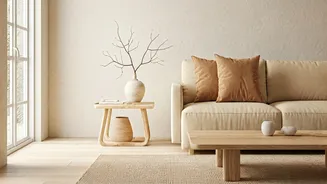
Across the United States, the idea of a 'mindful home' often gets reduced to Marie Kondo-style decluttering—a minimalist space with clean lines and tidy drawers. But in India, the concept is blossoming into something far more holistic. It's not just about
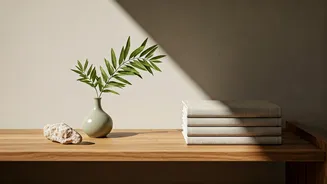
owning less; it's about curating a space with deep intention. A mindful home in this context is one where every object, color, and layout is chosen to enhance well-being, foster connection, and create a sense of tranquility. It's an environment designed to quiet the noise of the outside world, from the constant ping of notifications to the pressures of urban life. This philosophy moves beyond pure aesthetics to ask a fundamental question: does my home restore me? For a growing number of Indian homeowners and designers, the answer is becoming a resounding 'yes,' as they turn their living spaces into active participants in their mental and spiritual health.
Modern Vastu and Ancient Wisdom
This emerging trend isn't appearing out of nowhere. It's a modern reinterpretation of ancient Indian principles, most notably Vastu Shastra. Think of Vastu as a traditional architectural science, somewhat analogous to Feng Shui, that focuses on harmonizing energy within a built environment. For centuries, it has guided the layout and construction of everything from temples to homes. Today, designers are selectively borrowing from Vastu's core tenets—like maximizing natural light, ensuring proper ventilation, and orienting spaces to align with natural elements—without being rigidly dogmatic. It’s 'Vastu-inspired,' not Vastu-dictated. This revival connects modern homes to a rich cultural heritage, grounding contemporary design in a philosophy that has always prioritized the seamless flow of energy and a building's relationship with nature.
The Look: Earth, Texture, and Imperfection
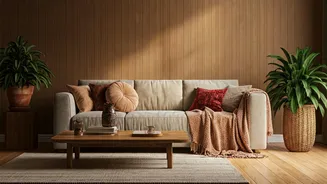
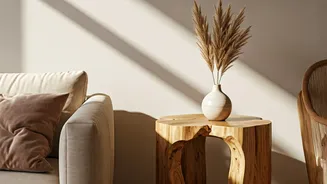
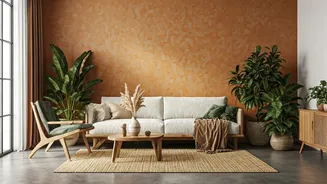
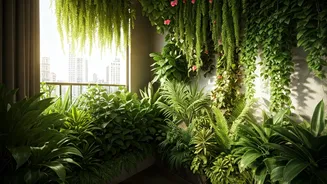
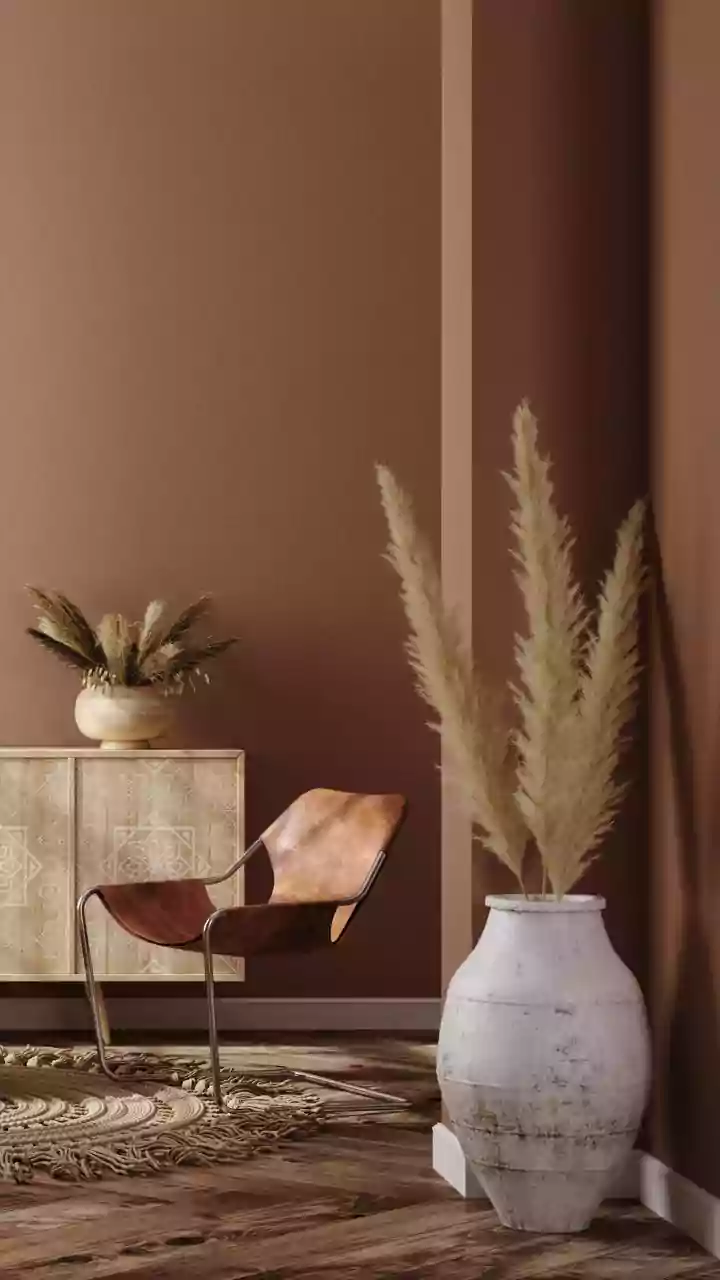
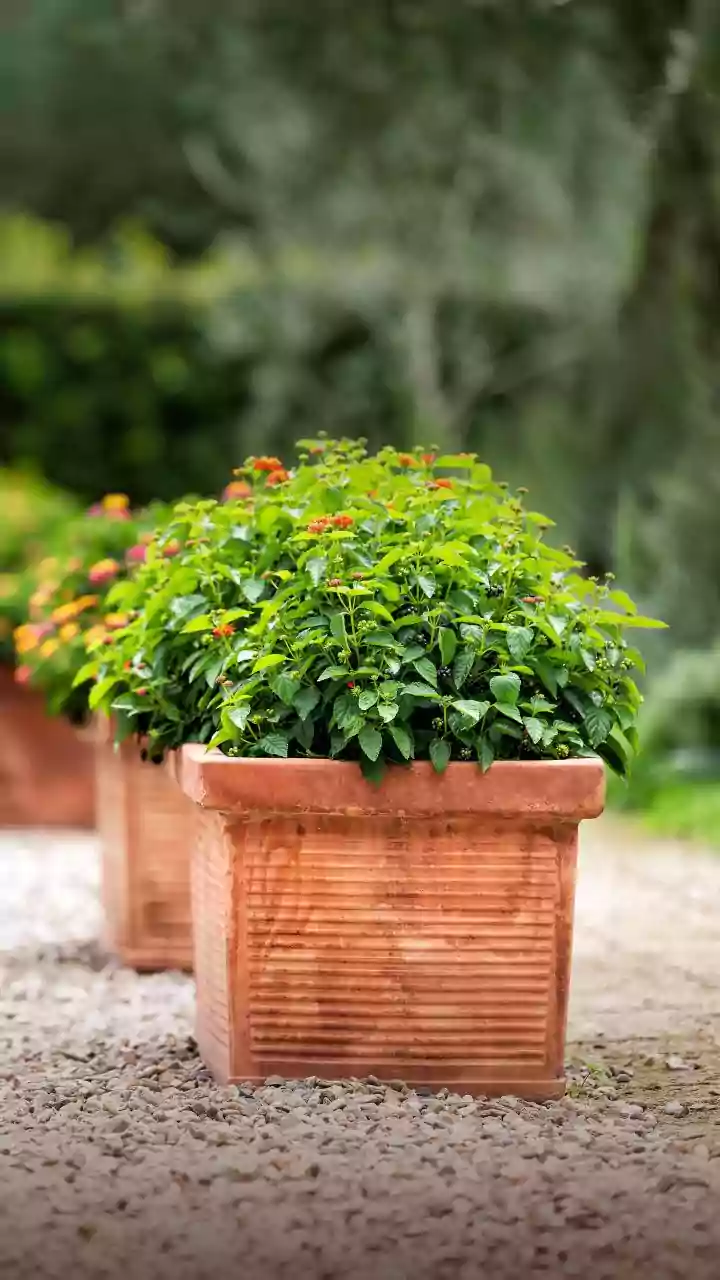
So, what does an Indian mindful home actually look like? Picture spaces that feel rooted in the earth. The color palette is warm and organic, dominated by terracotta, ochre, soft whites, and soothing greens. Materials are raw, tactile, and unapologetically natural. Polished marble is making way for rugged local stone like Kota or Jaisalmer. Mass-produced plastics are being replaced with handcrafted wooden furniture, woven jute rugs, breathable cotton textiles, and clay pottery. There's a celebration of the 'perfectly imperfect'—the subtle variations in a hand-carved cabinet, the unique grain of a wooden beam, or the texture of a lime-washed wall. Light is a key material, with large windows, open courtyards ('aangans'), and strategically placed skylights designed to blur the line between indoors and outdoors, inviting nature to become part of the decor.
A Sanctuary from Digital Burnout
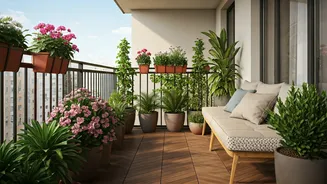
The rise of the mindful home in India is also a direct reaction to the intensity of modern life. In a country with some of the world's most densely populated and rapidly growing cities, the home is becoming the last frontier of personal peace. After years of accelerating urbanization and the digital saturation that came with the pandemic, there's a collective yearning for a space that grounds and recharges. This isn't just about escaping the office; it's about escaping the endless scroll. Designers are creating 'digital detox' zones, cozy reading nooks, and meditation corners. The focus is on crafting an environment that encourages presence and single-tasking, whether it’s sharing a meal without screens, tending to indoor plants, or simply sitting with a cup of chai and watching the light change.