




Luxury Has a New Meaning
For generations, high-end design was a display of pure opulence. The goal was to acquire the rarest, most expensive materials on Earth, from Italian Carrara marble to protected tropical hardwoods. Today, a profound shift is underway. The new definition
of luxury is less about conspicuous consumption and more about conscious choice. Affluent clients and top-tier designers are increasingly prioritizing values over sheer price tags. A bespoke table made from reclaimed 19th-century barn wood tells a richer story than one made from a newly felled tree. It signals an appreciation for history, craftsmanship, and environmental responsibility—qualities that have become the ultimate status symbols in a world grappling with climate change and resource scarcity. This isn't about sacrificing beauty; it's about finding beauty in materials with integrity.
The Wellness Connection
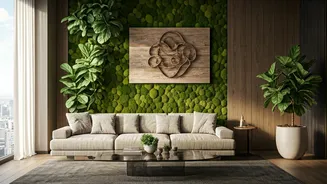
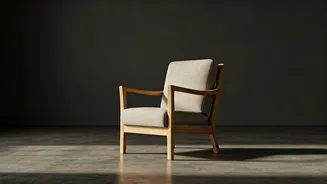
The focus on sustainability is deeply intertwined with the wellness movement. After spending more time at home than ever, homeowners are acutely aware of how their indoor environment affects their physical and mental health. Traditional building and furnishing materials can be significant sources of indoor air pollution, off-gassing volatile organic compounds (VOCs) from paints, adhesives, and synthetic fabrics. High-end design is now leading the charge toward creating 'healthy homes.' This means specifying materials that are natural, non-toxic, and breathable. Think lime-based plaster walls that regulate humidity, solid wood furniture finished with natural oils instead of chemical lacquers, and organic wool or linen textiles. Choosing sustainable materials is no longer just an environmental decision; it’s a personal health investment that pays dividends in clean air and peace of mind.
Innovation and Material Magic
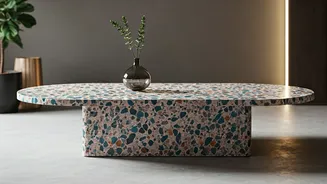
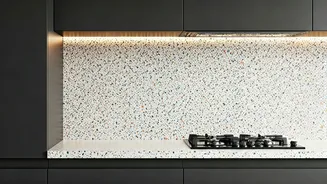
The rise of sustainable design isn't just about returning to old-world materials; it's also fueling a wave of incredible technological innovation. Designers now have a dazzling array of forward-thinking options that turn waste into wonder. Countertops are being crafted from shimmering recycled glass bottles suspended in resin. Luxe-feeling 'leathers' and textiles are being developed from pineapple leaves (Piñatex), mushroom mycelium, and even cork. Companies are transforming plastic ocean waste into durable, beautiful fabrics and even structural building blocks. These new materials are not cheap imitations. They offer unique aesthetic qualities, high performance, and a powerful narrative of circularity that is deeply appealing to the modern luxury consumer. They prove that sustainability can be a catalyst for creativity, pushing the boundaries of what's possible in design.
The Power of Authenticity and Story
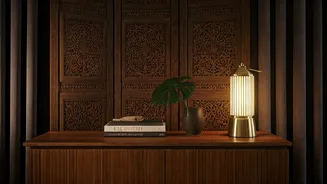
In an age of mass production, authenticity is the ultimate luxury. Sustainable materials often come with a built-in narrative that cannot be replicated. A hand-hewn beam carries the marks of its maker. A floor made from reclaimed terracotta tiles from a French farmhouse holds a century of history in its patina. This desire for unique, storied objects is a direct reaction against the generic and the disposable. Designers are acting as curators, sourcing materials with provenance and character that give a space soul. This approach transforms a home from a mere collection of expensive objects into a deeply personal sanctuary. Every surface and object has a purpose and a past, creating an environment that feels layered, meaningful, and completely one-of-a-kind. It's a move away from the showroom and toward a home that tells the owner's story through the very materials it's built from.