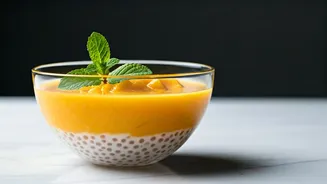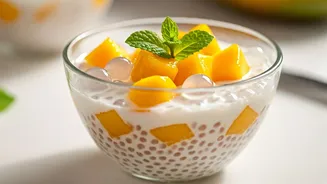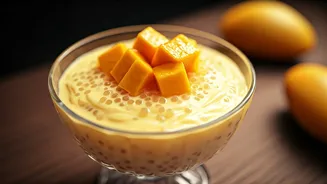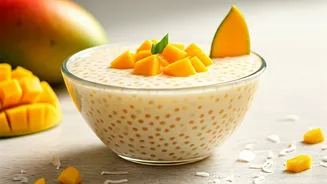






What Exactly Is Mango Sago?
At its heart, mango sago is a chilled dessert soup originating from Asia, most famously popularized in Hong Kong as 'Yang Zhi Gan Lu' (楊枝甘露). The classic combination features a creamy purée of fresh mango, coconut milk, and often evaporated or condensed
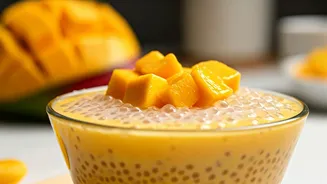
milk, studded with chewy, translucent sago pearls. It's typically finished with chunks of fresh mango and sometimes pomelo for a pleasant bitter-citrus contrast. It’s light yet satisfying, striking a perfect balance between sweet, creamy, and fruity. Think of it as a more sophisticated and texturally exciting version of a mango smoothie, designed to be eaten with a spoon.
The Secret to Its Viral Fame
So why is this classic dessert suddenly exploding on TikTok and Instagram? It's the perfect storm of culinary trends. First, it’s visually stunning. The vibrant yellow hue and the pearlescent sago create a beautiful, crave-worthy aesthetic that’s practically made for the screen. Second, it’s incredibly accessible. The ingredients are relatively simple to find, and the process doesn’t require any advanced baking skills or special equipment beyond a blender. It offers a taste of the tropics that feels both exotic and comforting. Finally, it’s endlessly customizable, allowing home cooks to adjust sweetness, creaminess, and toppings, making every creation uniquely their own. It’s the ultimate low-effort, high-reward dessert.
Gathering Your Key Ingredients
Success starts with the right ingredients. Don't just grab any mango; seek out the best. Honey mangoes (also known as Ataulfo or Champagne mangoes) are the gold standard here. They are less fibrous, intensely sweet, and have a buttery, custardy texture that creates the smoothest purée. For the sago, look for small pearl tapioca (sago and tapioca pearls are often used interchangeably in the U.S.). They cook faster and provide the classic delicate, chewy texture. Finally, the creaminess comes from a trio of liquids: full-fat canned coconut milk for richness, evaporated milk for a silky body, and sweetened condensed milk to sweeten and thicken the mixture. Using all three creates a depth of flavor that a single milk cannot achieve.
The Art of Perfect Sago
The most common pitfall when making mango sago is improperly cooked pearls. They can easily become a gummy, clumpy mess. The secret is to treat them like pasta. Bring a generous amount of water to a rolling boil *before* adding the sago. Stir immediately to prevent them from sticking to the bottom. Cook them for about 10-15 minutes, stirring occasionally, until they are mostly translucent with a small, white dot in the center. Then, turn off the heat, cover the pot, and let them sit for another 10-15 minutes. This final steam will cook them through perfectly. The last crucial step is to drain them and rinse them thoroughly under cold water. This washes off excess starch and stops the cooking process, ensuring your pearls are separate and delightfully chewy.
Step-by-Step to Creamy Perfection
Ready to build your masterpiece? It's a simple assembly line. First, prepare your mangoes. Dice one mango for garnish and set it aside. Cube the remaining two or three mangoes and place them in a blender. Add the coconut milk, evaporated milk, and sweetened condensed milk (start with a few tablespoons and adjust to your taste). Blend until completely smooth and creamy. Pour this mango base into a large bowl. Next, fold in your cooked and rinsed sago pearls, stirring gently to combine. If you're using pomelo, separate the segments into small, individual sacs and fold them in as well. Finally, gently stir in the fresh mango chunks you set aside earlier. Cover and chill the entire mixture in the refrigerator for at least an hour. This allows the flavors to meld and the dessert to reach its ideal refreshing temperature.
Serve and Customize
Serving is half the fun. Ladle the chilled mango sago into individual glass bowls or cups to show off its beautiful color. You can top it with an extra drizzle of coconut milk, a few more pieces of fresh mango, or a sprig of mint for a pop of green. Want to get creative? Try adding other tropical fruits like passion fruit or lychee. For an extra-decadent treat, some versions are topped with a small scoop of vanilla or coconut ice cream. Don't be afraid to experiment; the core recipe is a fantastic canvas for your own dessert preferences.