








The New Face of Backpacking
The classic image of the European backpacker—often a North American or Australian on a gap year—is being redrawn. In its place, a powerful new demographic has emerged. Hostel owners and travel operators across the continent report a significant surge
in bookings from young, solo travelers from India, particularly students. While the headline’s claim of “booking out” entire hostels might be an exaggeration, the impact is undeniable. These travelers are not just visiting; they are becoming a dominant presence in the budget travel ecosystem. They arrive independently, armed with smartphones and meticulous plans, seeking the classic European experience of art, history, and adventure, but on their own terms. This isn’t a small, niche trend; it’s a seismic shift reflecting broader changes in global economics, education, and youth culture.
A Perfect Storm of Aspiration and Access
So, what’s driving this wave? It’s a confluence of several powerful factors. First and foremost is India’s economic growth. A rapidly expanding middle class means more families have the disposable income to fund their children's international travel, which is increasingly seen as a crucial part of a well-rounded education and a major resume-builder. Second is the digital revolution. Social media platforms like Instagram have turned European landmarks into must-see backdrops, creating a powerful visual pull. Simultaneously, booking apps like Hostelworld and Booking.com have demystified travel, making it easier than ever for a student in Mumbai to plan a multi-city European tour from their phone. Finally, there's a cultural shift. Previous generations may have traveled with family or in large, organized tours. Today’s young Indians are embracing independence, with solo travel becoming a celebrated rite of passage.
Why Hostels are the Perfect Fit
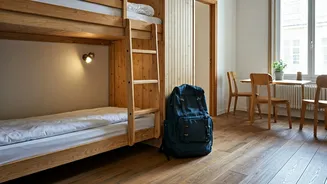
For a first-time solo traveler, a European hostel offers a unique proposition: structured independence. Unlike a sterile hotel room, a hostel provides a built-in social network. The common rooms, group walking tours, and shared dorms are designed for interaction, offering a safety net for those traveling alone. It’s a space to be solo without being lonely. For a student on a budget, the value is unbeatable. But it’s also about the atmosphere. Hostels promise an authentic, ground-level experience that’s a world away from sanitized tourist packages. This appeals directly to a generation that prizes authenticity and experience over simple luxury. They can meet peers from around the world, share stories, and navigate a foreign city with the support of a like-minded community, making it the ideal launchpad for a European adventure.
The Ripple Effect on the Travel Industry
This influx is not going unnoticed. Savvy hostel owners are adapting. Some are adding more vegetarian and vegan options to their breakfast buffets, recognizing dietary preferences. Others are noting the preference for all-female dorms, ensuring they have enough supply to meet demand. The marketing is changing, too. Where hostels once targeted a Western audience almost exclusively, many are now actively courting travelers from India and other parts of Asia. This trend also puts pressure on other budget travelers. During peak season in popular cities, the increased demand means that last-minute bookings are becoming harder to find. The era of simply showing up and finding a cheap bed may be waning, replaced by a new reality where planning and booking well in advance are essential for everyone.