



The Rise of the Storm Chaser
For most of the country, a forecast of thunderstorms means canceling plans and staying indoors. But in states like Arizona, New Mexico, and Utah, it’s the opposite. The arrival of the North American Monsoon, a seasonal shift in wind patterns that pulls
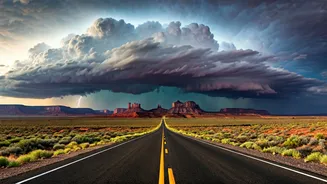
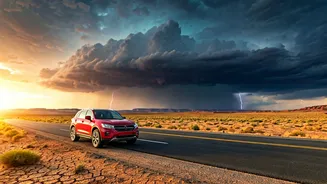
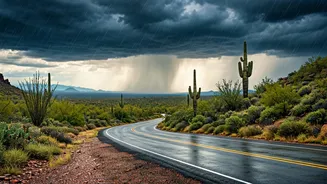
moisture up from the Pacific, signals the start of game season for a dedicated group of photographers, adventurers, and locals. They load up their cars, check their weather apps, and head *toward* the storm, not away from it. The goal? To witness one of nature’s most spectacular and ephemeral shows. This isn’t the tornado-hunting you see in movies; it’s a slower, more atmospheric pursuit focused on the unique beauty and raw power of desert rain.
More Than a Drive, It's a 'Sport'
So why a “checklist sport”? Because for many, it’s not just about a single awe-inspiring experience. It’s about collecting them. Fueled by Instagram-worthy photo ops and a tight-knit online community, monsoon chasing has developed its own set of unofficial achievements. Capturing a perfect lightning strike, a roiling haboob (a giant wall of dust), or the otherworldly colors of a post-storm sunset are like bagging trophies. Each successful trip adds to a personal highlight reel, a story to be told and shared. This gamified approach transforms a simple drive into a mission, complete with planning, strategy (where will the storm cell hit peak intensity?), and a tangible sense of accomplishment when the perfect shot is captured or a rare phenomenon is witnessed firsthand.
The Monsoon Chaser's Checklist
While every storm is unique, certain classic events are on every enthusiast’s list. These are the moments that define the season and make the hours spent poring over radar maps worth it.
Sighting a Haboob
First on many lists is the haboob. This is no ordinary dust storm. It’s a towering, terrifyingly beautiful wall of sand and dust that can stretch for miles and rise thousands of feet into the air, swallowing the landscape as it advances. To see one rolling across the open desert is to feel profoundly small. It’s the apocalypse in sepia tones, and for chasers, it’s the ultimate opening act for the rain to come.
Smelling the Petrichor
This one isn’t visual, but it’s non-negotiable. Petrichor is the earthy, almost sacred scent released when rain hits dry soil for the first time in months. In the desert, it’s amplified—a mix of creosote bush, dust, and ozone that is the definitive perfume of summer. It’s the smell of the land breathing a sigh of relief. You can’t photograph it, but it’s a core part of the sensory checklist.
Catching a Lightning Show
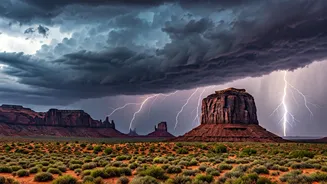
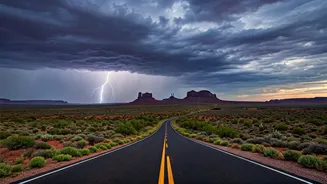
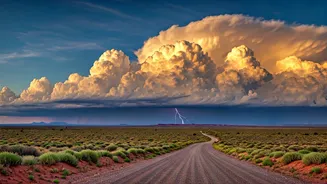
Desert storms produce stunningly clear and frequent lightning, often spiderwebbing across the sky in dramatic fashion. The goal is to find a safe vantage point—a distant overlook or a covered patio—and watch the light show unfold. Photographers will set up tripods for long-exposure shots, hoping to capture that one-in-a-million bolt that perfectly illuminates a saguaro cactus or a mountain peak.
Hearing a Flash Flood
This item comes with a huge asterisk: safety first, always. No one should ever drive into a flooded wash or get close to moving water. The “checklist” experience is witnessing a flash flood from a safe, elevated distance. After a heavy downpour in the mountains, dry riverbeds—known as arroyos or washes—can suddenly fill with a roaring torrent of water. Hearing the rumble and watching the muddy wave from a high bridge is a visceral reminder of the monsoon’s power.
Watching the Post-Storm Sunset
After the violence of the storm comes the reward. As the clouds begin to break, the lingering moisture and dust in the atmosphere act as a natural filter, creating sunsets with impossible shades of purple, pink, and orange. The air is clean, the temperature has dropped, and the world feels brand new. It’s the perfect, peaceful ending to an adrenaline-filled afternoon.