
What is a Mood-Led Trip?
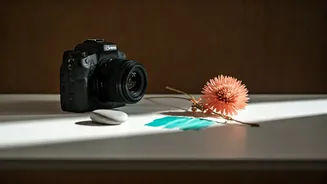
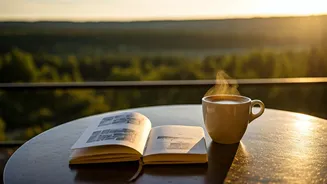
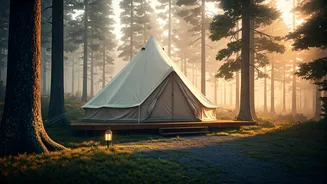
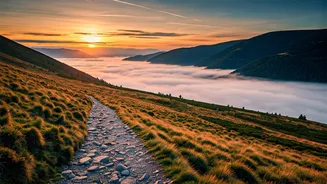
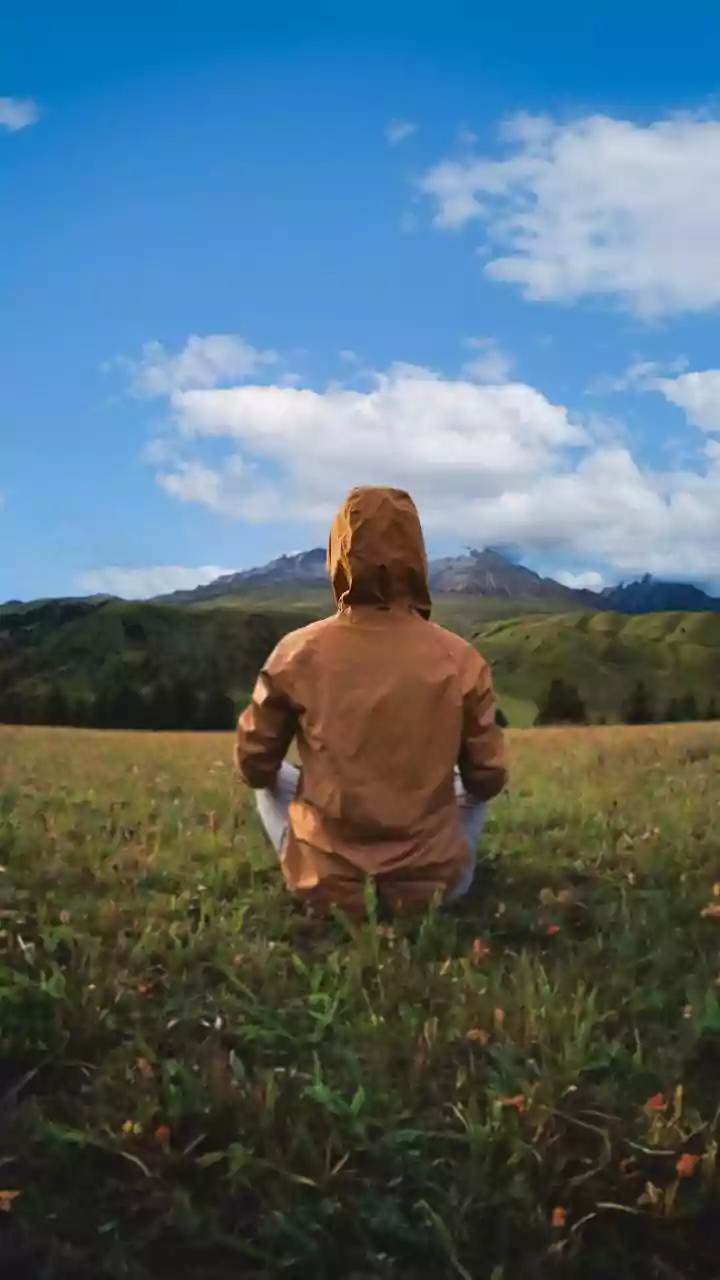
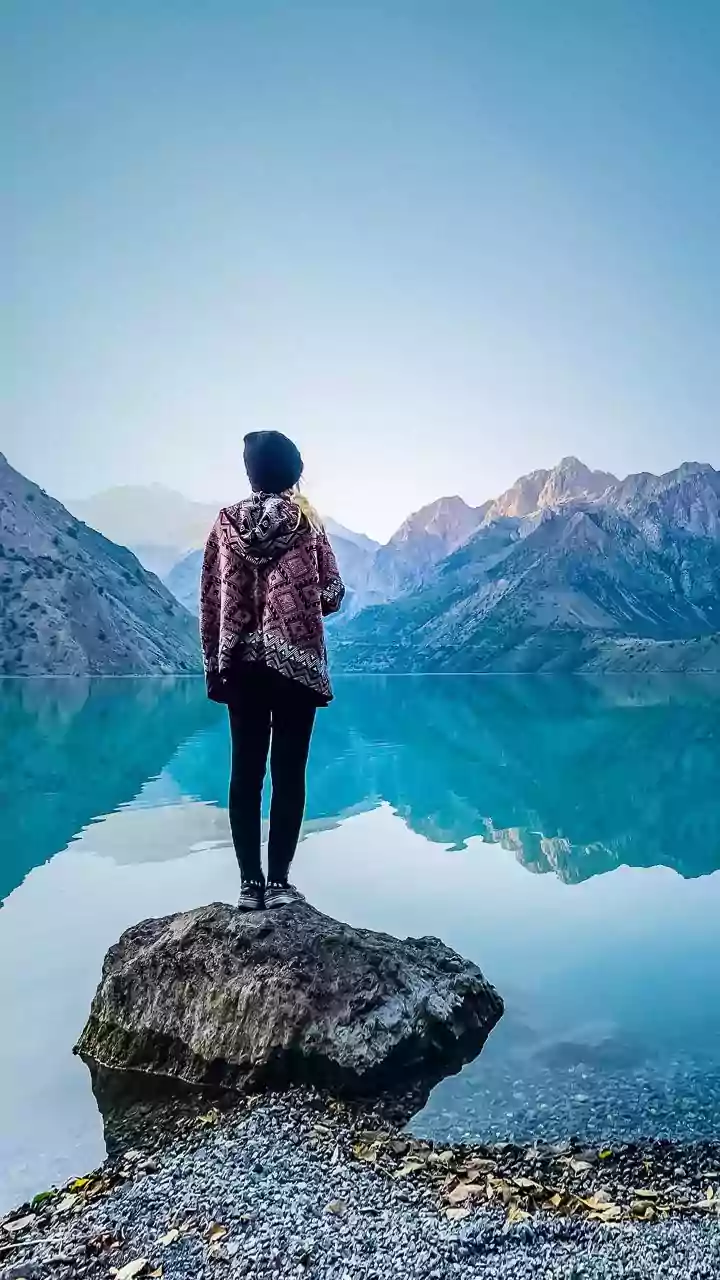
At its core, a mood-led trip, or what some have dubbed a 'vibe-cation,' is travel planned around a desired feeling rather than a specific destination. Instead of starting with a place—'I have to see Paris'—the traveler starts with an internal need: 'I need to feel creative
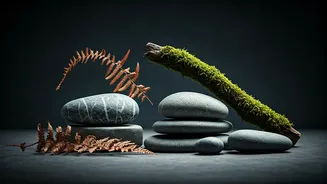
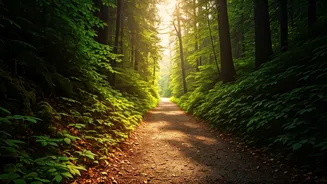
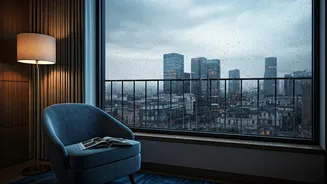
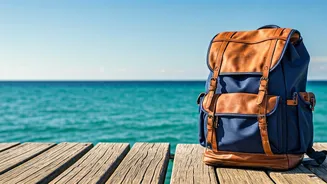
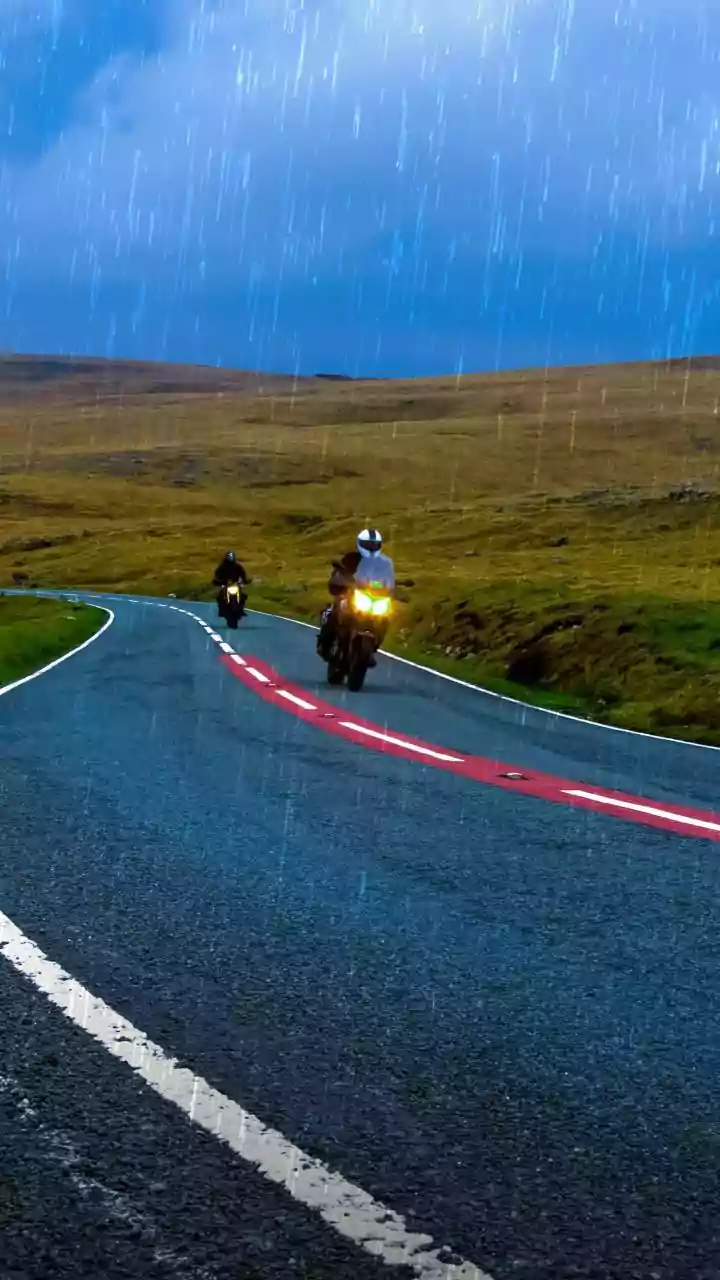
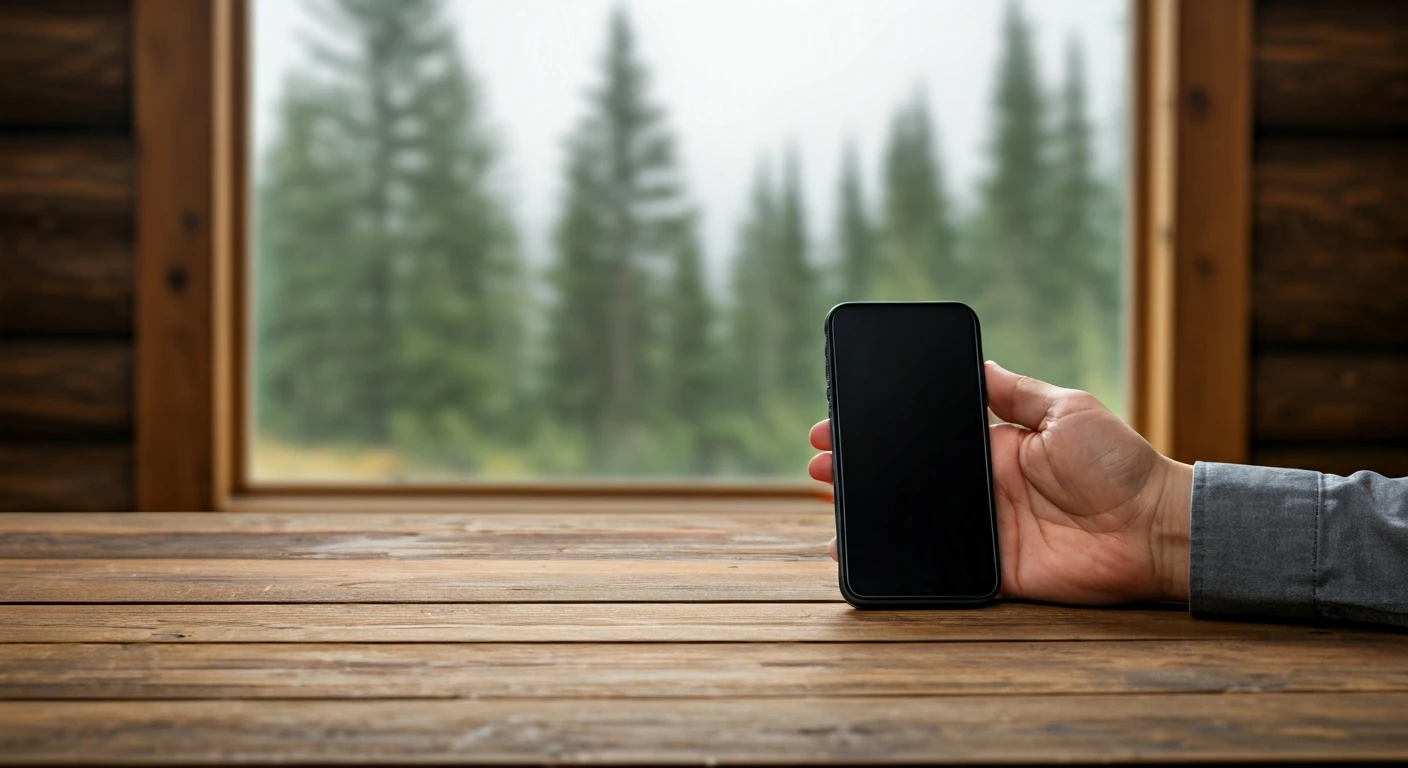
and inspired,' or 'I'm craving quiet and restoration.' The destination is then chosen based on which location best matches that desired emotional state. A trip for 'cozy solitude' might lead to a cabin in the Catskills, while a desire for 'vibrant, chaotic energy' could point toward Mexico City. It’s a fundamental shift from travel as a checklist of landmarks to travel as a form of active self-regulation and intentional experience-seeking. The goal isn’t to see things, but to feel a certain way.
The 'Why' Behind the Vibe
This trend didn't appear in a vacuum. It’s a direct response to several modern pressures, particularly for Gen Z and Millennials. Firstly, there's the element of burnout. In a culture of constant connectivity and professional pressure, vacations are no longer just about leisure; they're about recovery. A mood-led trip is a prescription for a specific emotional ailment. Secondly, the pandemic fundamentally altered our relationship with planning. Years of uncertainty made long-term, rigid plans feel futile. This fostered a muscle for spontaneity and a 'carpe diem' mindset, prioritizing immediate, meaningful experiences. Finally, there's the rejection of the 'Instagram-perfect' trip. While social media still plays a role, the focus has shifted from performative photos at crowded landmarks to curating an authentic, aesthetic 'vibe' that feels more personal and unique.
From Bucket Lists to Vibe Checks
For decades, the ultimate travel 'flex' was the bucket list—a collection of world wonders and iconic cities to be ticked off. Success was measured by how many places you'd been. Mood-led travel flips this on its head. The new flex is emotional intelligence and self-awareness. It’s the ability to listen to your internal state and respond with an experience that nurtures it. It says, 'I'm so in tune with my own needs that I can curate my reality.' Choosing a quiet, unknown coastal town over a bustling European capital because you need tranquility is seen as a more sophisticated form of luxury. This approach prioritizes personal fulfillment over social currency, even though, paradoxically, sharing this 'authentic' journey online becomes its own form of status symbol. It’s a move from 'Look where I am' to 'Look how I'm living.'
How Technology Enables the Escape
While this trend is a reaction against a hyper-optimized world, it’s ironically powered by technology. The ability to book a last-minute flight, find an aesthetically pleasing Airbnb, and get AI-driven recommendations for 'quiet towns with good coffee shops' makes spontaneous, mood-based travel more feasible than ever. TikTok and Instagram act as visual search engines for 'vibes,' with users seeking out destinations that match a certain online aesthetic, like 'dark academia' or 'cottagecore.' The rise of remote and flexible work also plays a crucial role. When you can work from anywhere, a sudden need for a change of scenery can be acted upon with a laptop and a Wi-Fi password. Technology has untethered many young workers from the physical office, making them a generation of potential nomads ready to chase a mood wherever it leads.