


Not Your Average Wellness Fad
When we talk about sustainable diets in the Indian context, it's about much more than just cutting out meat or buying organic. It represents a deeper, more holistic approach that is taking root in urban kitchens and rural communities alike. For many,
this isn't the adoption of a new, foreign concept, but rather a conscious return to the way their grandparents ate. The principles are simple and profoundly practical: eat local, eat seasonal, and waste nothing. It’s a quiet rebellion against the processed, industrialized food systems that have grown in recent decades, and a rediscovery of the inherent sustainability built into many traditional Indian culinary philosophies.
The Mighty Millet's Grand Comeback
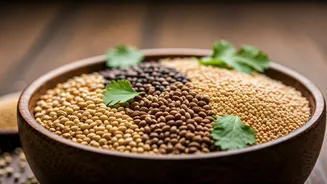
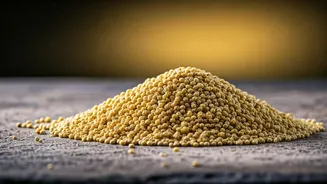
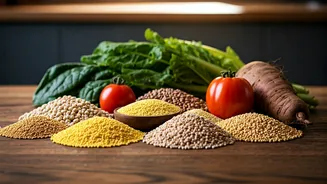
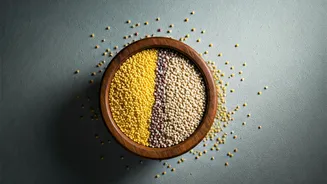
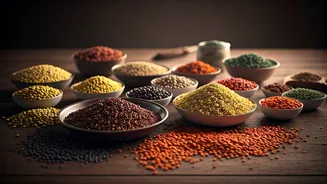
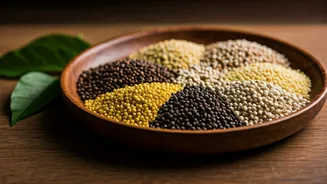
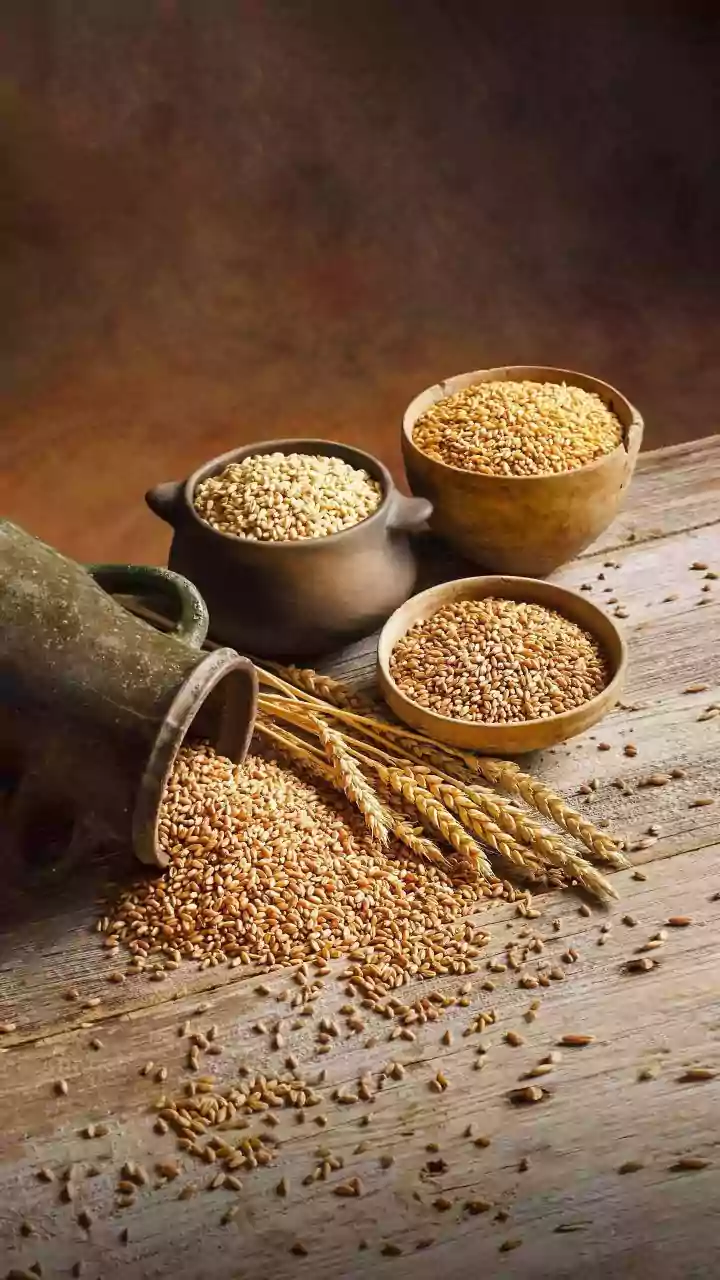
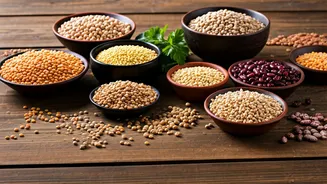
Nowhere is this shift more visible than in the resurgence of millets. For Americans who might only know them as birdseed, millets are a diverse group of ancient, gluten-free grains like jowar (sorghum), bajra (pearl millet), and ragi (finger millet). These are not new inventions; they are powerhouse grains that were once staples across the subcontinent before being overshadowed by government-promoted wheat and rice. Why the comeback? Millets are a climate-conscious dream. They are hardy, drought-resistant 'miracle grains' that thrive in arid conditions with minimal water, making them perfect for India’s changing climate. Packed with protein, fiber, and micronutrients, they are now being championed by chefs, nutritionists, and even the Indian government as a solution to both nutritional and agricultural challenges. Flatbreads made from bajra and porridges from ragi are once again becoming common sights on the dinner table.
From Kitchen Wisdom to Urban Menus
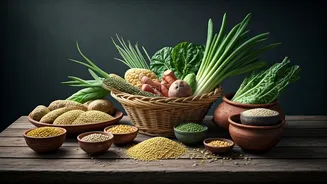
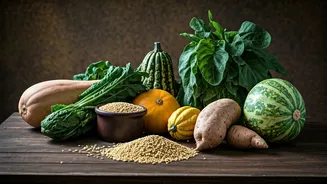
This movement isn't just happening in home kitchens. It's being celebrated in high-end restaurants in Mumbai and Delhi, where chefs are crafting entire tasting menus around indigenous ingredients and zero-waste principles. This philosophy extends beyond the ingredients themselves. It’s about using the entire vegetable—turning cauliflower stems into pickles, using melon rinds in curries, and finding a purpose for every scrap. This 'root-to-shoot' approach, a long-standing practice in many Indian households born from frugality, is now being rebranded as sophisticated, sustainable cooking. At the same time, a renewed interest in regional cuisines is bringing attention to hyper-local vegetables and traditional preservation techniques like fermenting and sun-drying, further reducing reliance on a fragile, long-distance supply chain.
Why This Matters Globally
The evolution of the Indian diet is more than just a local food story; it holds a mirror to global conversations about food security and environmental health. As one of the world's most populous nations, even small dietary shifts in India can have a massive ripple effect on global agriculture and carbon footprints. The focus on plant-forward meals, which has always been a cornerstone of much of Indian cuisine, offers a time-tested model for a less resource-intensive way of eating. The revival of millets provides a powerful lesson in agricultural biodiversity, showing how ancient crops can solve modern problems. It’s a compelling reminder that sometimes, the most innovative solutions are the ones that have been waiting in our cultural pantry all along.