


Understand the North American Monsoon
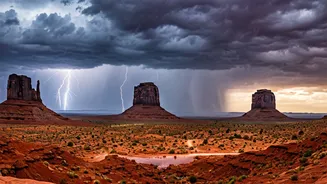
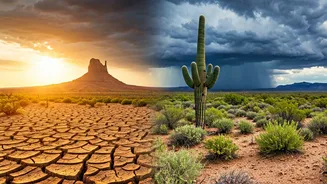
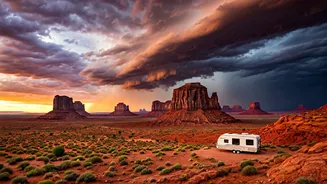
First, let’s clear up a common misconception. This isn’t the endless, weeks-long deluge seen in South Asia. The North American Monsoon, typically running from late June through September, is a pattern of intense but often brief afternoon and evening thunderstorms.
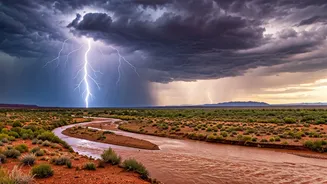
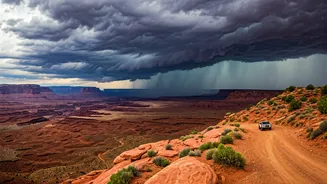
It primarily affects Arizona, New Mexico, and parts of Utah, Colorado, and Texas. Solar heating creates rising air, which pulls in moisture from the Gulf of California and the Gulf of Mexico. The result? Spectacular lightning shows, sudden downpours, and a dramatic drop in temperature. Understanding this pattern is the first step. The danger isn't the rain itself, but its intensity and unpredictability. A sunny morning can turn into a life-threatening storm by 3 p.m.
Level-Up Your Weather Tech
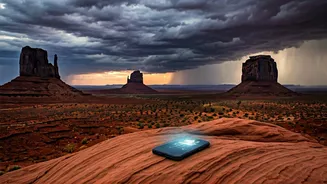
Your phone’s default weather app is a good start, but it’s not enough for monsoon travel. The real glow-up here is embracing specialized technology. Download a high-quality radar app (like RadarScope or MyRadar) that shows you the movement and intensity of storm cells in real-time. This is crucial for seeing what’s heading your way, not just what the forecast predicts. Equally important are Flash Flood Warnings issued by the National Weather Service (NWS). Make sure your phone’s emergency alerts are enabled, and check the NWS website for your specific location before heading out. In areas with spotty cell service, a hand-crank weather radio or a satellite messenger with weather-update capabilities (like a Garmin inReach) can be a literal lifesaver.
Rethink Your Driving Strategy
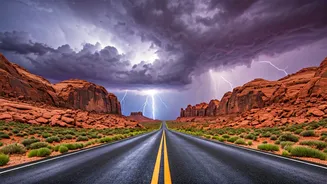
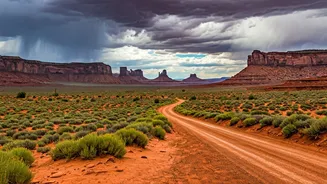
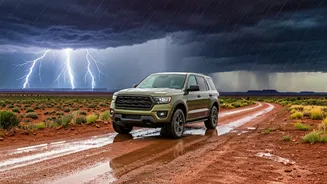
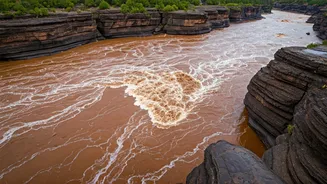
Roads are one of the most dangerous places to be during a monsoon storm. Your safety glow-up starts with internalizing one phrase: “Turn Around, Don’t Drown.” It only takes a few inches of moving water to sweep a car off the road. Never attempt to cross a flooded wash or dip in the road, even if it looks shallow. The roadbed could be washed out underneath. Beyond flash floods, be prepared for hydroplaning on wet asphalt and dramatically reduced visibility in a downpour. If caught in an intense storm, the safest move is to pull over as far as you can from the roadway, turn off your lights so others don't follow you off-road, and wait for the worst to pass. Planning your driving for the morning hours can help you avoid the most common time for afternoon storms.
Give Your Hiking Plans a Makeover
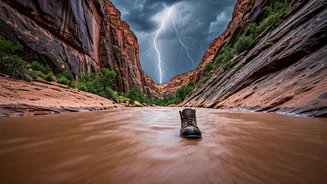
Hiking during the monsoon season requires a completely different mindset. The cardinal rule is to avoid slot canyons and dry riverbeds (arroyos or washes). These natural drainage systems can become raging torrents with little to no warning, even if it’s not raining where you are. A storm miles away can send a wall of water downstream. Instead, opt for hikes on higher ground with clear lines of sight. Start early in the morning and plan to be back to the trailhead by early afternoon, before the storms typically build. If you hear thunder, you are close enough to be struck by lightning. Seek lower ground away from isolated tall trees. A vehicle with a hard top is a safe shelter; a rocky overhang is not.
Pack a Smarter Emergency Kit
Your standard first-aid kit is great, but a monsoon-ready kit needs a few upgrades. The key is waterproofing and self-sufficiency. Use dry bags or even heavy-duty Ziploc bags to protect electronics, matches, and a change of warm clothes. Your car kit should include extra water, non-perishable food, blankets, and a flashlight, in case you get stranded by a washed-out road. For hiking, add a lightweight emergency blanket and a signaling device like a whistle or mirror. Because cell service is unreliable in many prime monsoon-viewing areas, this is where a personal locator beacon (PLB) or satellite messenger provides invaluable peace of mind for you and your family back home.
Embrace the 'Be Prepared' Mindset
Ultimately, the biggest safety glow-up is mental. It’s shifting from a rigid, itinerary-driven vacation to a flexible, nature-aware adventure. Being prepared isn’t about fear; it’s about freedom. It’s what allows you to confidently watch a storm from a safe distance, photograph the incredible light after a downpour, and experience the desert when it’s most alive. Check the forecast, respect the warnings, and have backup plans. Your B-plan might be exploring a local museum or enjoying a long lunch while a storm passes. This flexible mindset doesn't just keep you safe—it ensures your trip is enjoyable, no matter what the clouds decide to do.