

Start with Statement Lighting
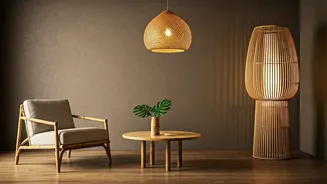
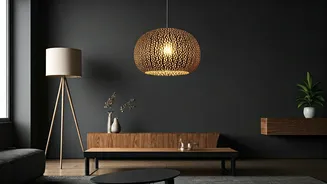
One of the easiest and most impactful ways to introduce bamboo is through lighting. A woven bamboo pendant light over a dining table or a sculptural bamboo floor lamp in a living room corner does more than just illuminate; it creates a focal point. The
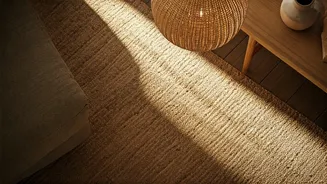
open weave of many bamboo shades casts intricate, dappled patterns of light and shadow, adding texture and a sense of movement to the room. This effect instantly softens modern spaces and complements bohemian, coastal, or minimalist aesthetics. Unlike heavy metal or glass fixtures, bamboo lighting feels light and airy, contributing to a feeling of openness and calm.
Control Light with Natural Shades
Swap out heavy drapes or cold plastic blinds for bamboo roll-up shades. They are masters of light filtration, blocking the harshest glare while allowing a soft, warm glow to filter through. This creates a gentle, diffused ambiance that feels incredibly serene. Functionally, they provide privacy without plunging the room into darkness. Aesthetically, their clean lines and natural texture add a layer of organic sophistication. Whether you choose a light, natural finish or a darker, carbonized tone, bamboo window treatments frame your view of the outdoors and seamlessly connect your indoor space with the natural world.
Incorporate Functional Furniture
Bamboo is much more than just a decorative material; its strength makes it ideal for furniture. But you don't have to commit to a full dining set to get the look. Start small with a bamboo side table, a simple stool that can double as a plant stand, or a ladder-style shelving unit. These pieces are often lightweight, making them easy to move and integrate into existing layouts. Their slender profiles and warm tones provide a welcome contrast to heavier, upholstered furniture. Look for pieces that highlight the natural nodes and grain of the bamboo, as these details are key to achieving that authentic, organic feel.
Add Texture with Decorative Objects
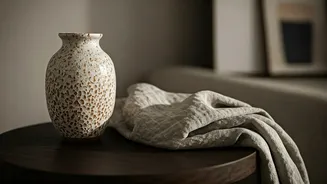
If you're not ready for a larger commitment, start with small, well-chosen decorative accents. A large bamboo-framed mirror can make a room feel bigger and brighter while adding a natural border. Grouping bamboo vases of different heights (with or without dried botanicals) on a mantle or console table creates an elegant vignette. A simple bamboo tray on a coffee table or ottoman can corral remotes and magazines, bringing order and a touch of organic warmth. Even a set of bamboo coasters or a bamboo serving bowl can make a subtle but noticeable difference, introducing a new texture and material to your decor scheme.
Soften Floors with a Bamboo Mat
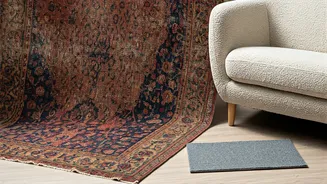
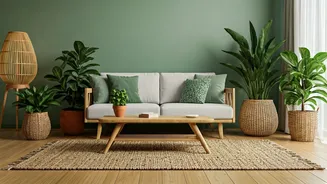
While not as cozy as a high-pile shag, a bamboo area rug or mat can define a space while maintaining a clean, natural look. They are particularly effective in entryways, kitchens, or home offices. Their smooth surface is easy to clean, and their durable nature stands up well to foot traffic. A bamboo mat under a desk chair provides a smooth rolling surface that's more stylish than a plastic mat. In a bathroom, it can serve as a spa-like bath mat that dries quickly and resists moisture. The clean, linear look of a bamboo rug adds structure and a hint of Zen-like simplicity to the floor.
A Note on Sustainability
Bamboo is often touted as a super-green material because it grows incredibly fast without needing pesticides. While this is true, it's worth noting that the manufacturing process can vary. Some bamboo products are created using resins and chemicals that have an environmental footprint. To make the most sustainable choice, look for products made from solid bamboo rather than composites, and seek out brands that are transparent about their sourcing and manufacturing processes. Opting for well-made, durable pieces that you'll love for years is always the most sustainable approach to decorating.