





A Never-Ending 'New' List
For anyone who loves to eat out in Mumbai, the feeling is all too familiar. You finally snag a reservation at the Peruvian-Japanese spot that’s been dominating your Instagram feed for a month. By the time you sit down, you learn that a celebrity-backed
Italian bistro and a high-concept cocktail bar with a secret entrance have already opened, stealing the city’s notoriously fickle spotlight. This isn’t just about new places to eat; it’s a relentless churn of concepts, experiences, and fleeting moments of cultural currency. In cities like New York or London, a hot restaurant might hold its buzz for a season or even a year. In Mumbai, the window can feel as short as a few weeks. The 'Fear Of Missing Out' isn't just about a meal; it's about missing your chance to participate in the city's latest cultural conversation before it moves on without you.
Designed for the 'Gram
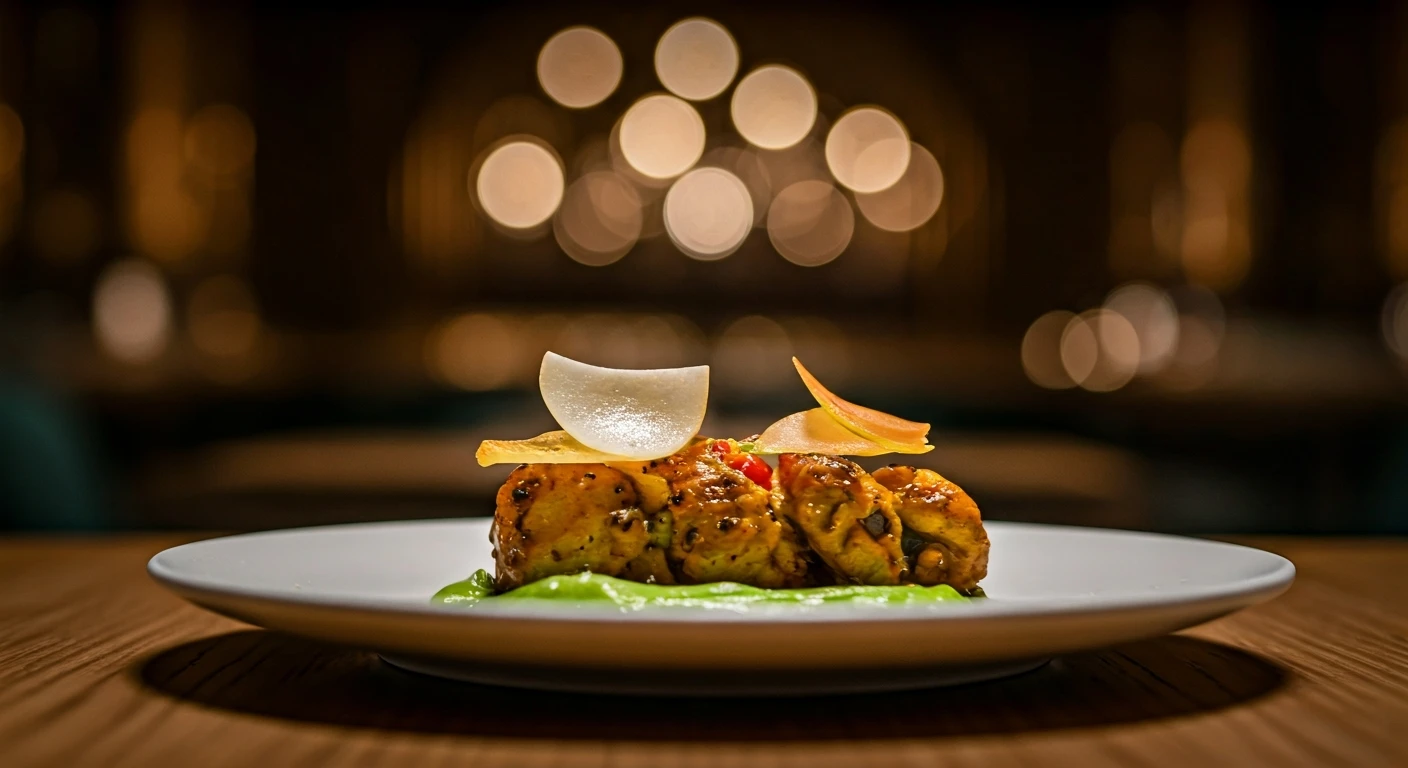
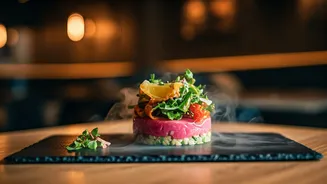
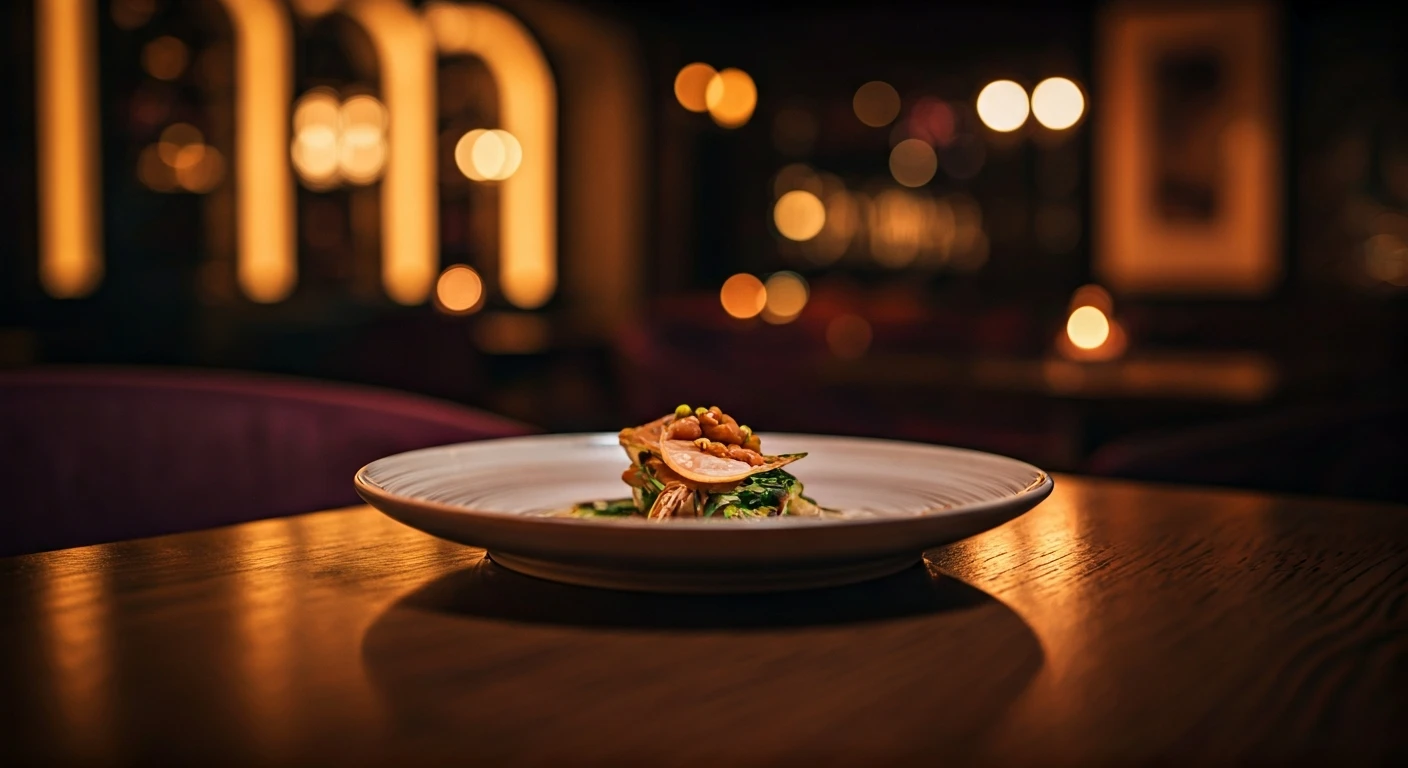
A huge driver of this phenomenon is, unsurprisingly, social media. Today’s most successful Mumbai restaurateurs aren’t just creating menus; they’re building movie sets. Every detail, from the terrazzo flooring and custom light fixtures to the plating of a deconstructed dessert, is optimized for Instagram. An evening out is no longer just about the food and company; it's about capturing content. Food bloggers and influencers are the new gatekeepers, their early access posts setting off a digital domino effect that can fill a restaurant’s reservation book for weeks. This creates a feedback loop: the more photogenic a place is, the more it gets posted, and the more pressure everyone feels to go, see, and be seen—and, of course, post it themselves. This visual-first approach has fundamentally changed the criteria for a 'good' restaurant, sometimes prioritizing aesthetics over flavor.
The Shifting Culinary Map
For decades, Mumbai’s fine dining and trendiest establishments were concentrated in the tony enclaves of South Bombay, like Colaba and Fort. But the new wave has completely redrawn the map. The epicenter of cool has shifted decisively to the suburbs, particularly Bandra, Khar, and Andheri. These neighborhoods, once considered residential and sleepy after dark, are now buzzing with experimental eateries, speakeasy-style bars, and international franchise outposts. This geographical sprawl adds another layer to the FOMO. It’s no longer possible for a dedicated foodie to keep up by just staying in one part of the city. The must-try list now requires navigating Mumbai’s infamous traffic to crisscross a megacity of over 20 million people, turning a simple dinner plan into a logistical puzzle.
The Economics of Hype
What’s fueling this explosion? It’s a potent cocktail of factors. A post-pandemic hunger for new experiences combined with a growing upper-middle class with disposable income has created a massive, eager market. Big hospitality groups, both domestic and international, have taken notice, pouring money into high-concept venues that promise a global-standard experience. These aren’t just mom-and-pop shops; they are slick, well-funded operations designed to generate immediate buzz. The competition is fierce, leading to a constant need for reinvention and one-upmanship. One restaurant opens with a world-renowned mixologist; the next flies in a Michelin-starred chef for a two-week pop-up. This arms race creates fantastic options for diners, but it also amplifies the feeling that you’re always one step behind the next big thing.