
The New Guard: Modern Indian Reinvented
The story of modern Delhi dining starts with a handful of visionary chefs who asked, “What if?” They took the familiar, comforting flavors of their childhoods and reimagined them with global techniques and avant-garde presentation. At the forefront is the world-renowned
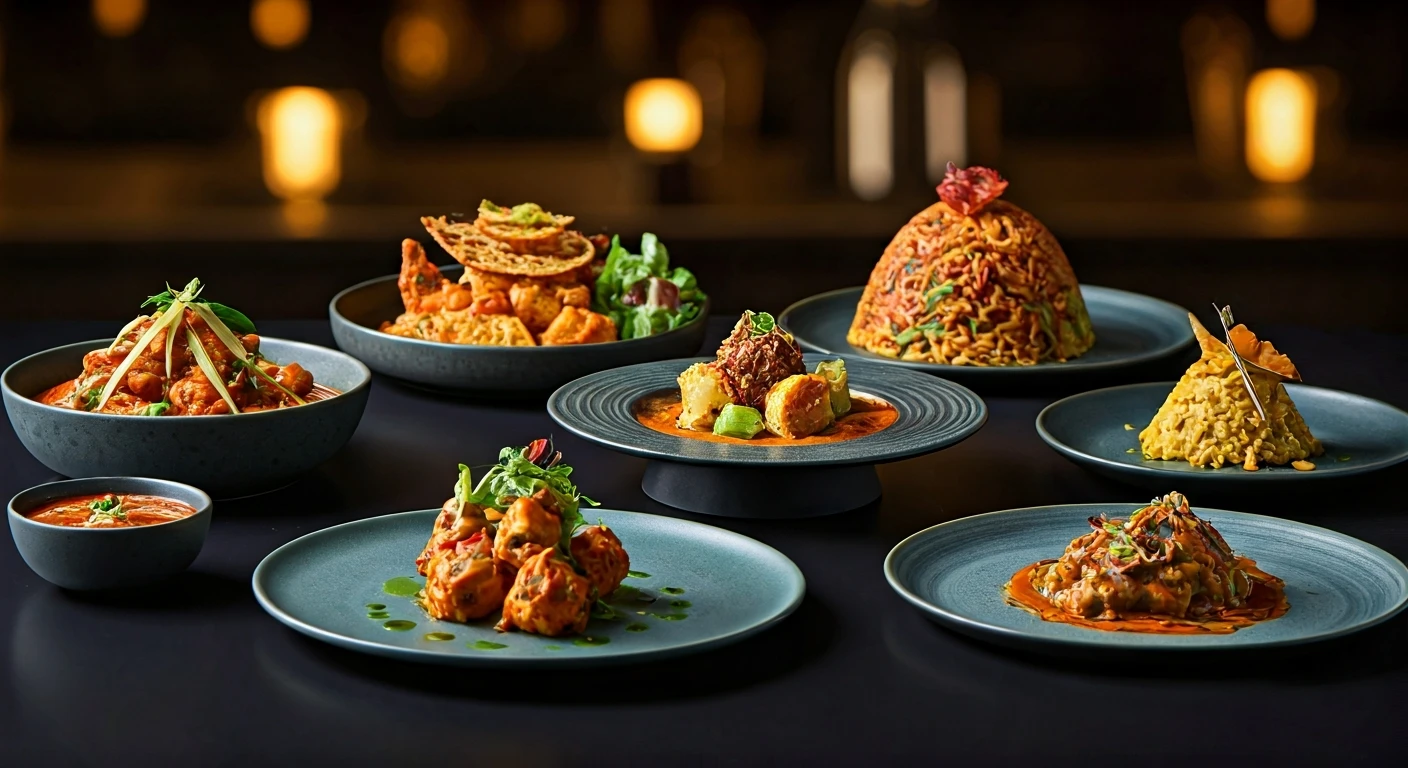
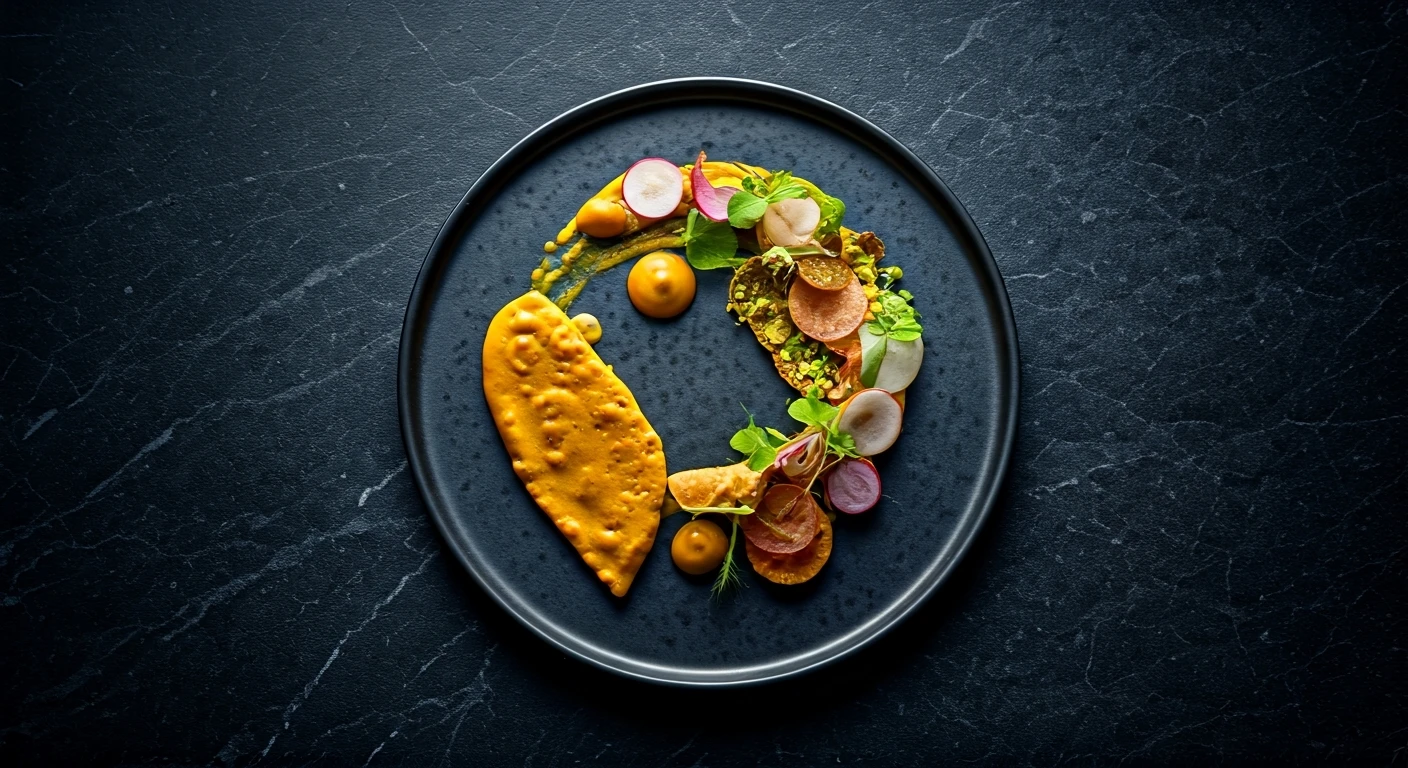
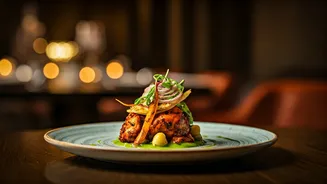
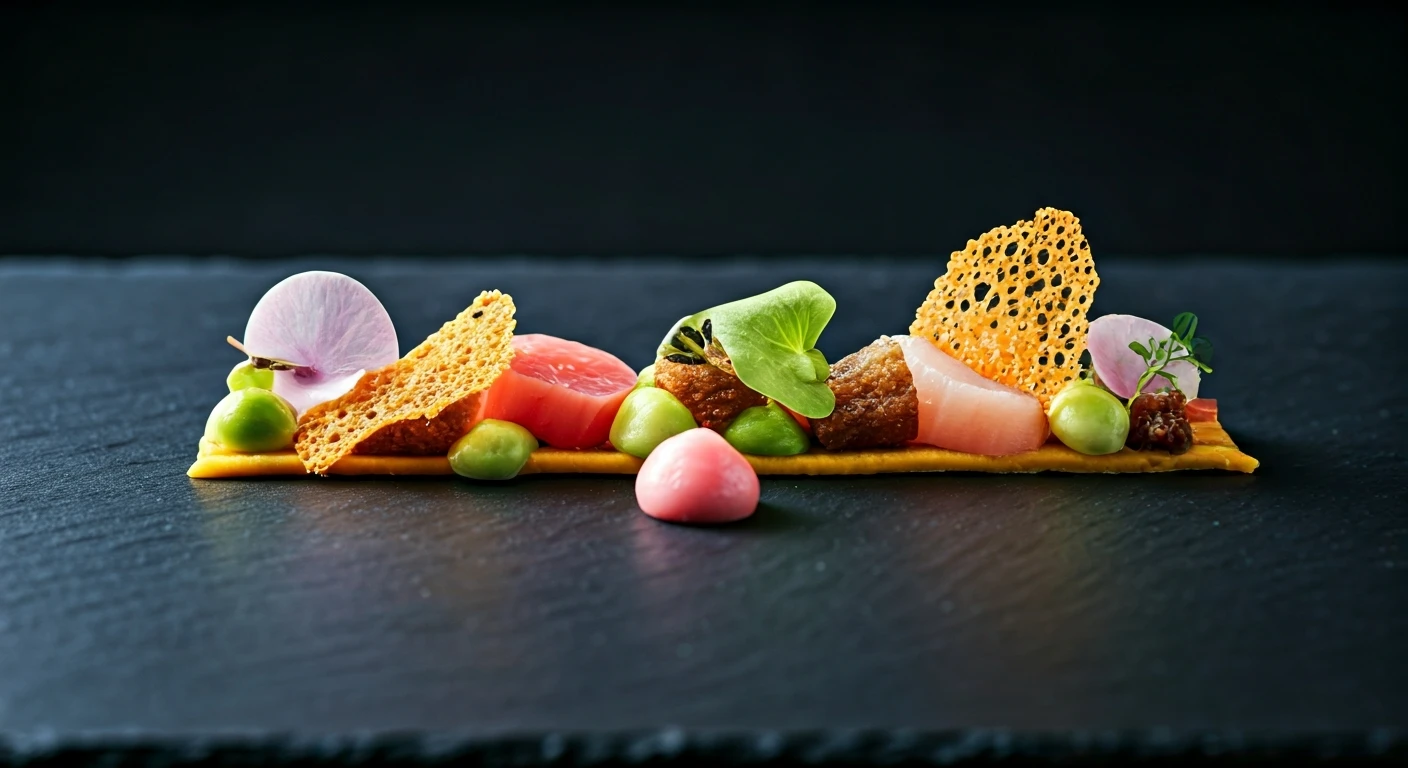
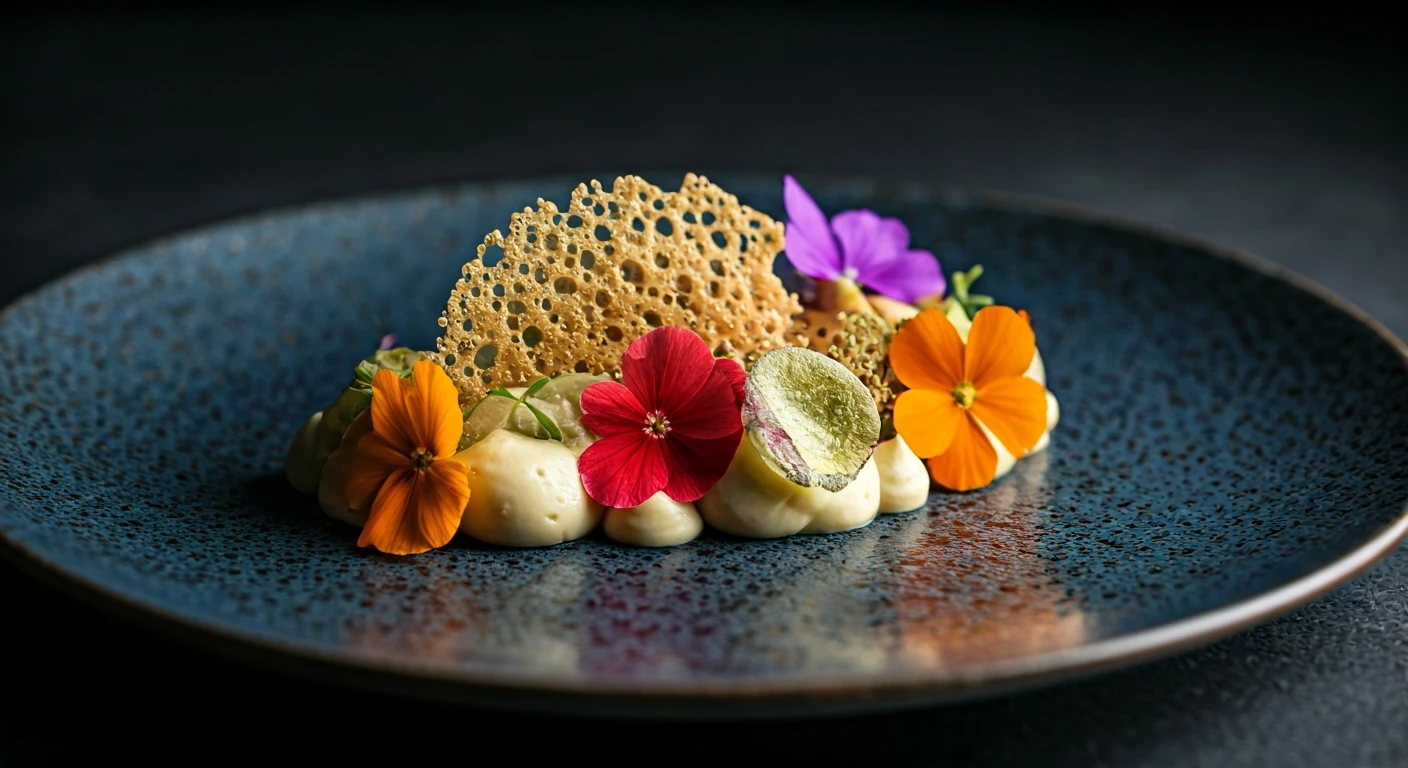
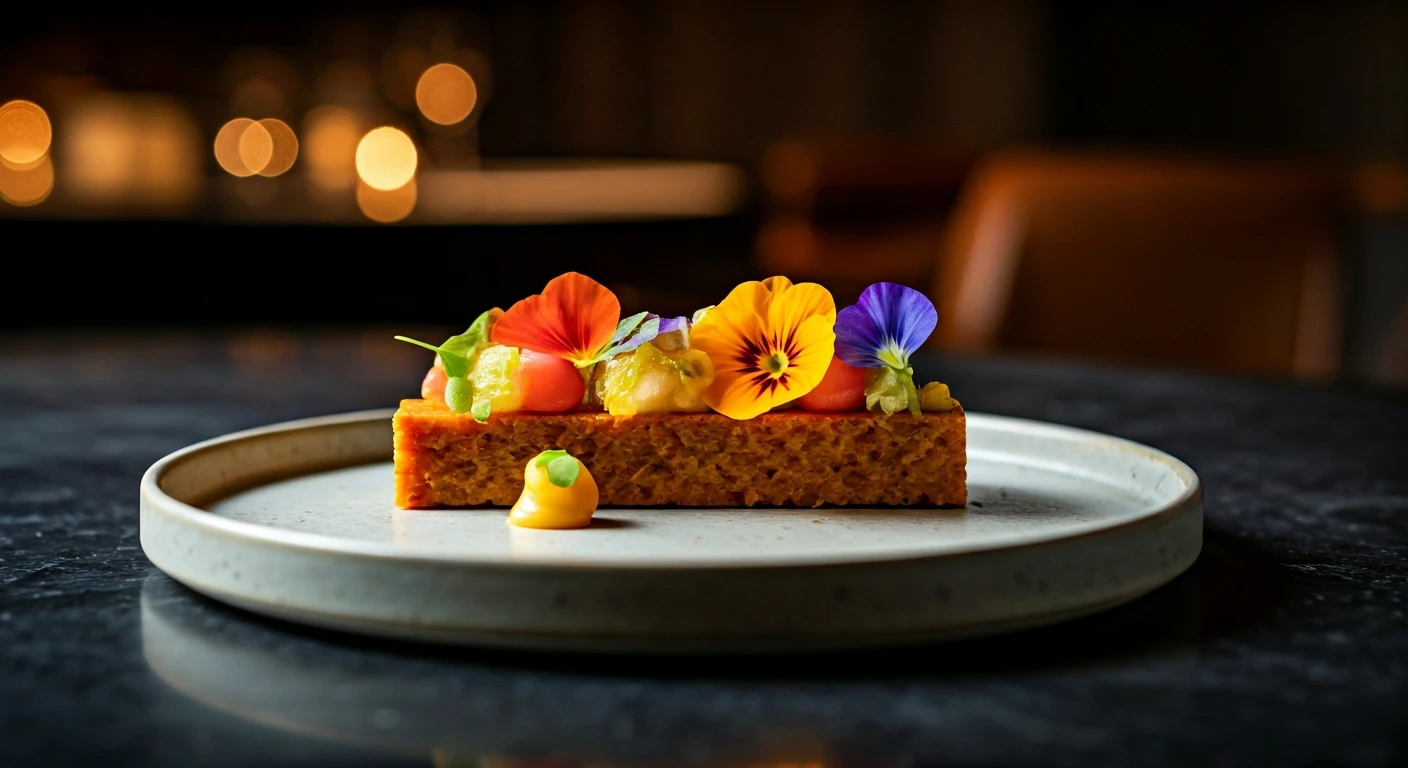
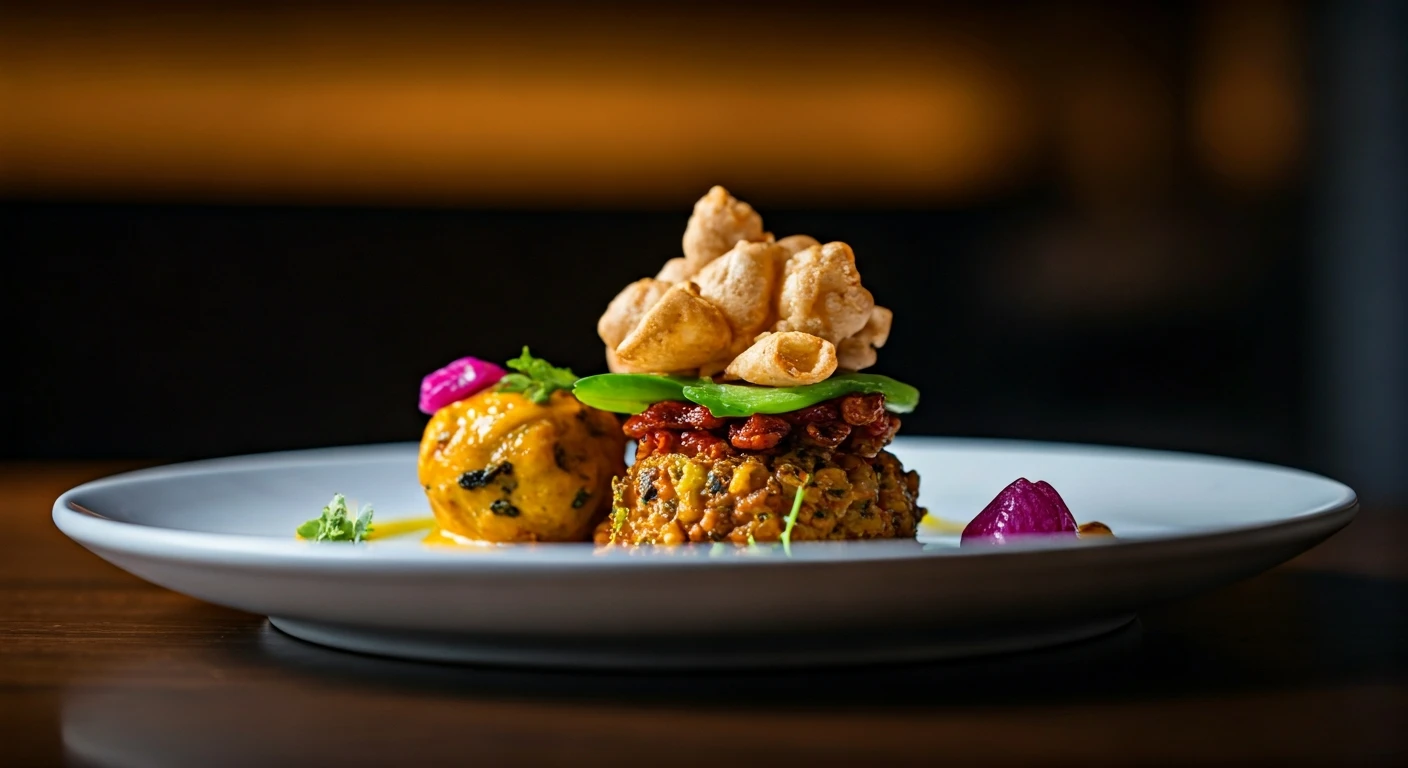
Indian Accent, a restaurant that treats classic dishes like a playground for innovation. Here, you might find blue cheese stuffed inside a fluffy naan or a deconstructed samosa that looks more like modern art than a street-side snack. This isn't fusion for fusion’s sake; it’s a thoughtful conversation between India’s past and its future. Securing a table requires planning, but the experience is a benchmark for understanding where Indian fine dining is headed. It’s a place that respects the soul of a dish while completely changing its form, challenging and delighting diners in equal measure.
Beyond Butter Chicken: A Tour of the Regions
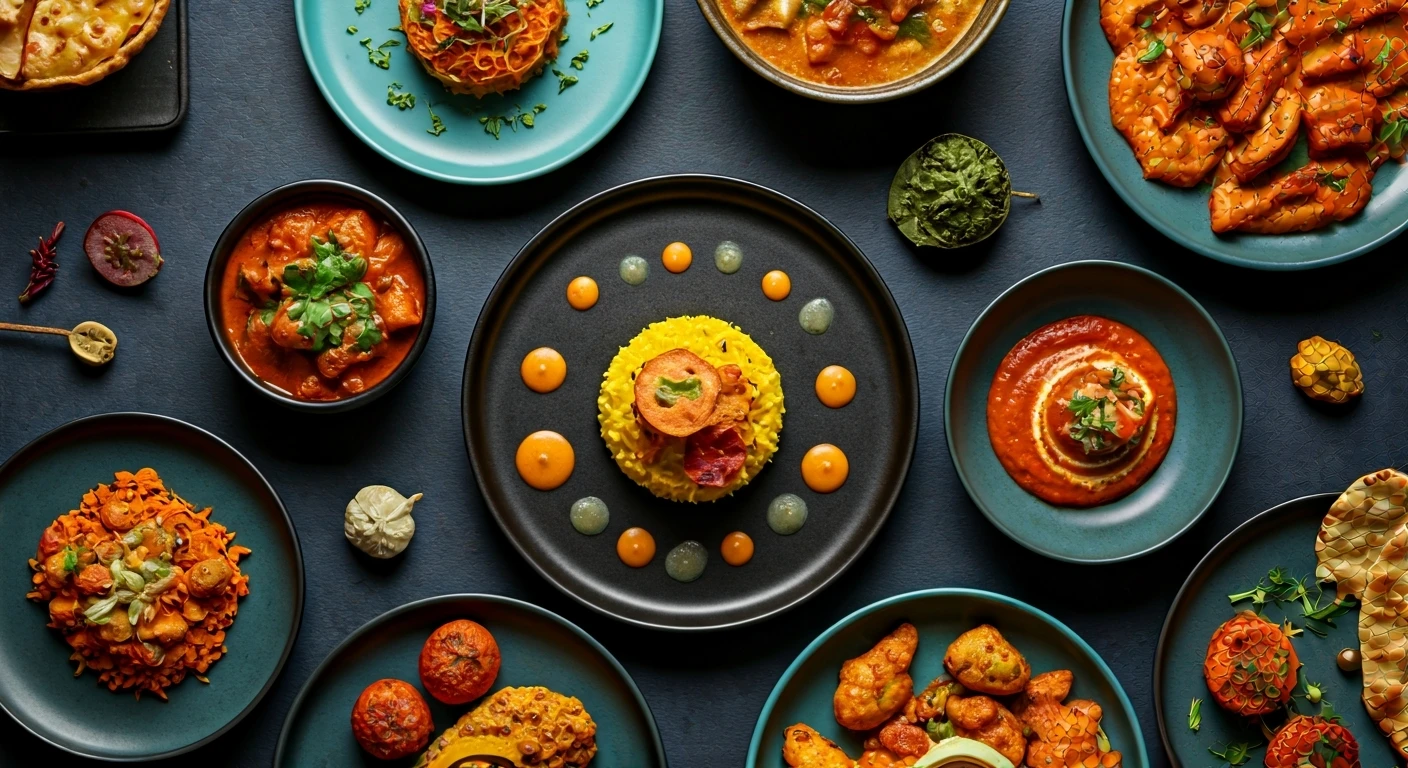
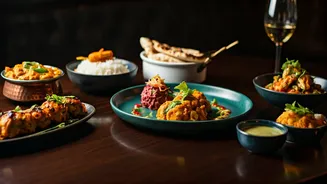
For too long, the American understanding of Indian cuisine has been limited to a few Punjabi staples. Delhi’s best restaurants are actively dismantling that stereotype by championing the country’s staggering regional diversity. Forget the generic “curry house” menu. Instead, imagine a place like Comorin, in neighboring Gurugram, which acts as a culinary library of India’s lesser-known comfort foods. Here, you can sample dishes from Tamil Nadu, Bengal, and Kerala, all under one roof. Think delicate Andhra Gongura Chicken, savory corn momos from the Northeast, or a smoky plate of Chettinad prawns. These restaurants are on a mission to educate as much as they are to feed, offering a delicious corrective to the idea that Indian food is a monolith. They invite you to explore the subtle spices of the coast, the hearty fare of the mountains, and the complex vegetarian traditions of the south.
The Living Legends: Timeless and True
While innovation is exciting, Delhi’s dining scene is also anchored by institutions that have perfected their craft over generations. These are the places where time seems to slow down, and the focus is squarely on execution. Take Bukhara, for example, a restaurant that has remained virtually unchanged since it opened in 1978. There’s no cutlery; you’re encouraged to eat with your hands. The menu is short, dominated by robust flavors from the North-West Frontier Province, cooked to perfection in clay ovens (tandoors). Their Dal Bukhara, a black lentil stew simmered for nearly 24 hours, is the stuff of legend. Dining here isn’t about trends; it’s about tasting history. It’s a pilgrimage for food lovers, a testament to the enduring power of getting the basics spectacularly right, night after night, for decades.
Street Food, Elevated: Clean and Creative
No trip to Delhi is complete without street food, but for visitors wary of the infamous “Delhi belly,” a new trend offers a perfect solution. A new wave of casual eateries and food halls are taking the city’s iconic street snacks—like chaat, golgappas, and kebabs—and giving them a hygienic, often creative, makeover. These spots maintain the explosive, chaotic flavors of the original while serving them in clean, modern, and often air-conditioned environments. You get the authentic taste of tangy tamarind, cooling yogurt, and crispy fried dough without the gamble. Places like Farzi Café playfully present street food classics with a theatrical flair, using smoke and molecular gastronomy to surprise diners. It’s the best of both worlds: the soul of the street with the standards of a high-end restaurant, making the city’s most essential flavors accessible to everyone.