



Embracing America's 'Waterfall Season'
While the term “monsoon” often conjures images of Southeast Asia, the U.S. has its own version. The North American Monsoon brings dramatic summer thunderstorms to the Southwest from July through September. Elsewhere, the Pacific Northwest’s famously wet
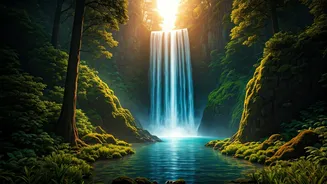
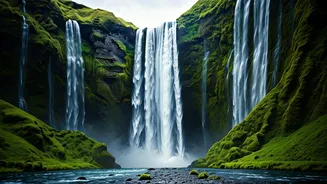
fall and winter feed its iconic cascades. This so-called “bad weather” is actually the secret ingredient, creating ephemeral waterfalls that appear for only a few weeks a year or turning familiar ones into roaring spectacles. Planning a trip around the rain isn't a mistake; it's a strategy for seeing these landscapes at their most powerful and alive.
Grand Falls, Arizona
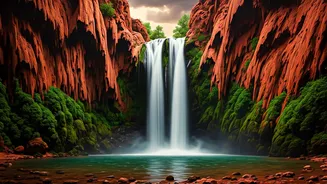
Often called the “Chocolate Falls” for its heavy, sediment-rich flow, Grand Falls is a true natural wonder that only exists for a short time each year. Located on the Little Colorado River within the Navajo Nation, this wide, terraced waterfall is actually taller than Niagara Falls. For most of the year, it’s just a trickle. But fueled by snowmelt in the spring and monsoon rains in late summer, it transforms into a thunderous, churning cascade of muddy water. The sight and sound are immense, a raw display of desert power. Check for road conditions and flow reports before you go, as access is via unpaved roads and the waterfall’s performance is entirely weather-dependent.
Zion National Park, Utah
Zion is famous for its towering sandstone cliffs, but during a summer downpour, those same cliffs come alive with dozens of temporary waterfalls. Rainwater, unable to soak into the slickrock, cascades down the canyon walls in long, silvery ribbons. These ephemeral falls can appear and disappear within hours, making them a magical, almost hallucinatory sight against the red rock. A popular spot to witness this is the main canyon scenic drive. After a storm, you may see falls pouring into the Virgin River from spots that are bone-dry 99% of the time. It’s a completely different and deeply moving way to experience the park.
The San Juan Mountains, Colorado
Southwest Colorado’s San Juan Mountains are a paradise for waterfall lovers, especially during the summer monsoon. The area around Ouray and Telluride, connected by the dramatic Million Dollar Highway, is home to some of the state's most famous cascades. Bridal Veil Falls in Telluride, the tallest free-falling waterfall in Colorado, swells to a roar with afternoon rains. Nearby, Bear Creek Falls becomes a formidable torrent. In Ouray, Box Canyon Falls thunders through a narrow slot canyon, and the spray can be felt from the metal walkway above. The combination of high-altitude peaks, lush green valleys, and rain-fueled waterfalls makes for an unforgettable road trip.
Columbia River Gorge, Oregon
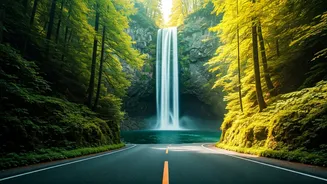
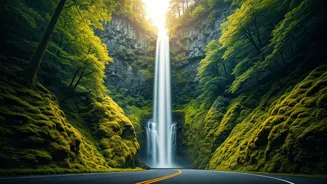
While the Southwest has its monsoon, the Pacific Northwest has its legendary rainy season. The Columbia River Gorge, a massive canyon bordering Oregon and Washington, is home to the highest concentration of waterfalls in the nation. While stunning year-round, they reach peak force during the wet fall and winter months. The iconic Multnomah Falls becomes a deafening powerhouse, sending a plume of mist across the Benson Bridge. Nearby, Latourell Falls, known for its perfect single plunge, and the ethereal Horsetail Falls become even more dramatic. The lush, moss-covered landscape feels primeval, and the sheer volume of water is a humbling sight.
A Quick Guide to Safe Waterfall Chasing
Chasing storms and waterfalls requires caution. Flash floods are a serious and life-threatening danger, especially in the slot canyons and dry riverbeds of the Southwest. Always check the weather forecast before you head out, and never enter a narrow canyon if rain is predicted. Be aware of road conditions, as dirt roads can become impassable when wet. When hiking, wear sturdy, waterproof footwear with good grip, as trails will be slick and muddy. Finally, respect all closures and warning signs posted by park rangers or local authorities; they are there for your protection.