


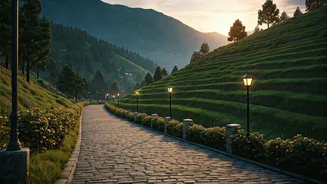


The Original Summer Escape
For Americans, the concept of a “hill station” might not immediately register. Imagine the sweltering, pre-air-conditioning summers of the 19th century. Now, imagine you're a British administrator governing a vast, hot territory in southern India. You’d
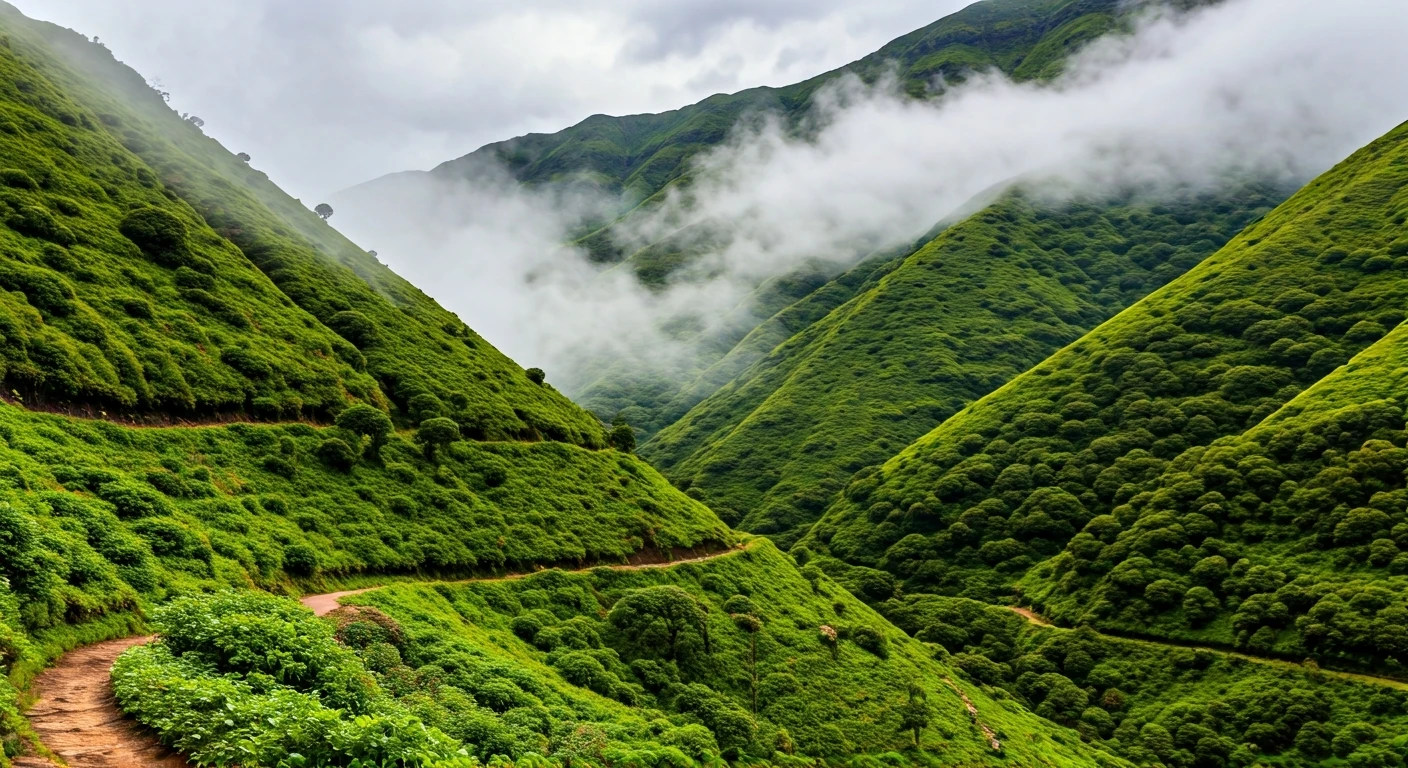
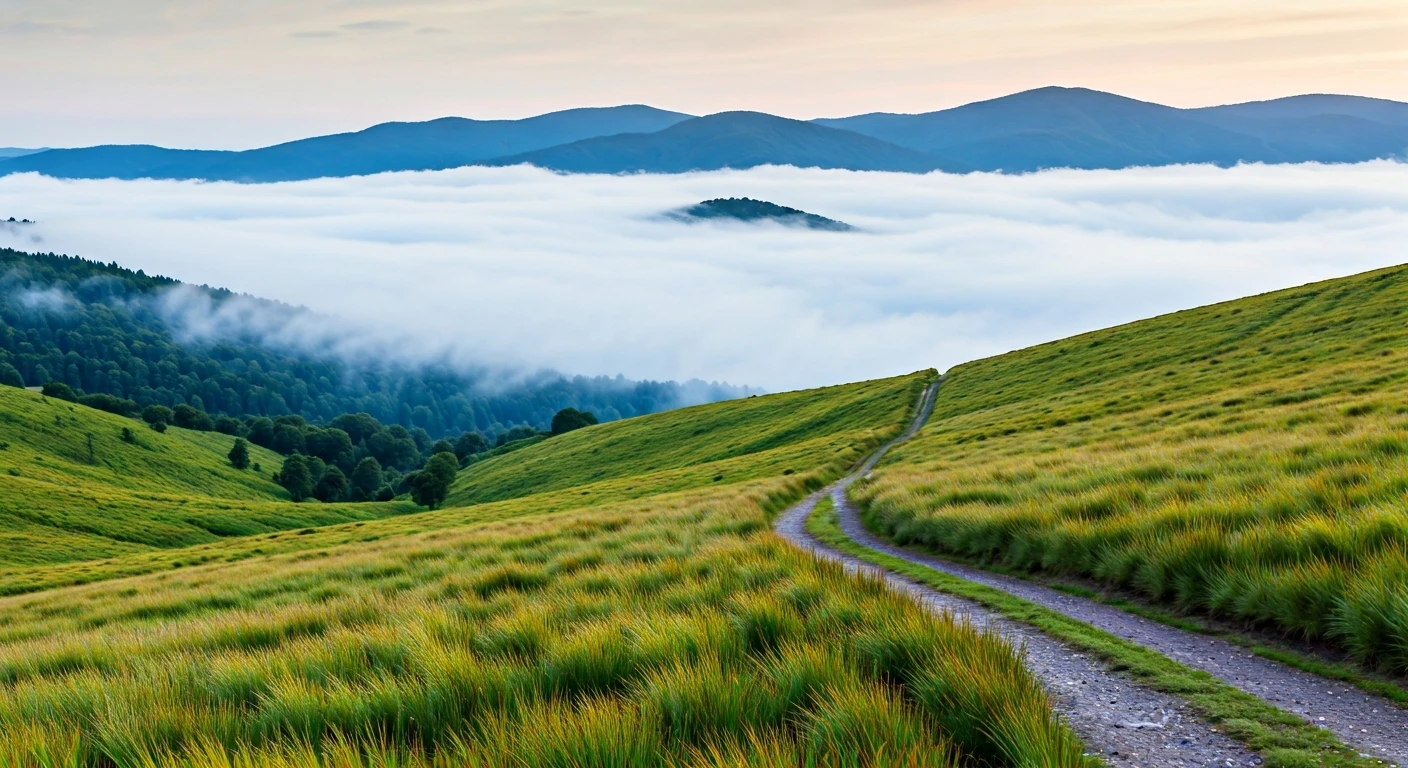
seek refuge, and you’d find it in the mountains. This is the origin story of Ooty, officially Udhagamandalam, long crowned the “Queen of Hill Stations.” Established in the early 1800s by the British Raj, it was designed as an idyllic escape, a slice of the English countryside recreated at 7,350 feet. They built stone cottages with gabled roofs, planted English gardens, and organized fox hunts (though the foxes were actually jackals). This history is etched into Ooty’s DNA, creating a unique atmospheric blend of South Indian culture and colonial European aesthetics.
A Paradise Almost Lost
For decades, that timeless charm was Ooty’s main draw. But as with many iconic destinations, its popularity became a threat. Unchecked development, weekend crowds from nearby cities, and a deluge of plastic waste began to chip away at its serene reputation. The winding roads became choked with traffic, and the quaint town center felt more chaotic than charming. The nostalgia felt less like a lived experience and more like a faded postcard. The pandemic, while devastating in many ways, provided an unintentional reset. The sudden halt in tourism gave the hills a chance to breathe, and it seems to have given local authorities and residents a renewed impetus to preserve what makes Ooty special.
The Nostalgia Train Is Back on Track
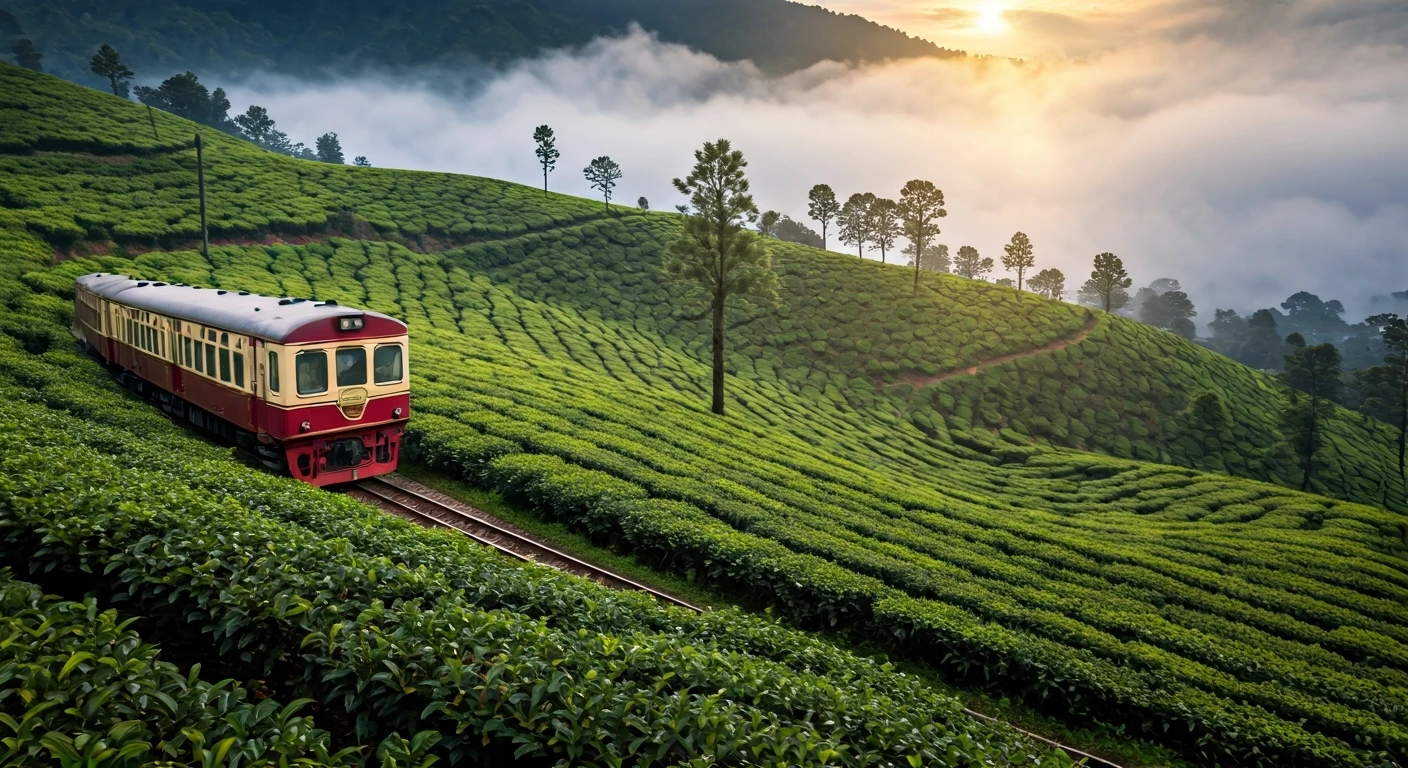
Nothing embodies Ooty’s charm more than the Nilgiri Mountain Railway. This isn’t just a train; it’s a UNESCO World Heritage Site. The little blue “toy train” still chugs its way up the steepest track in Asia, powered by a vintage steam locomotive on its lower stretches. A ride on this train is a journey back in time, rattling past dense forests, terraced tea estates, and cliff-hugging turns. Today, there's a renewed appreciation for this icon. Beyond the train, the sprawling Government Botanical Gardens, established in 1848, feel meticulously cared for once more. Strolling past the fossilized tree trunk said to be 20 million years old or relaxing on the pristine lawns, you can feel the slow, deliberate pace of life that first drew the British here over 200 years ago.
More Than Just a Colonial Relic
But the revival of Ooty isn't about turning it into a colonial theme park. The real magic is in the blend of past and present. The indigenous Toda community, with their distinctive barrel-vaulted huts and rich embroidery traditions, are an integral part of the region's cultural fabric. Modern Ooty embraces this alongside its colonial blueprint. Chic cafes serving excellent locally grown coffee have popped up in old bungalows, and artisanal chocolatiers—a long-standing Ooty tradition—are finding new audiences. You can spend the morning exploring a 19th-century stone church like St. Stephen's and the afternoon sampling creative dishes at a new farm-to-table restaurant. It’s this layered identity that makes the town feel alive, not just preserved in amber.
Tasting the Terroir
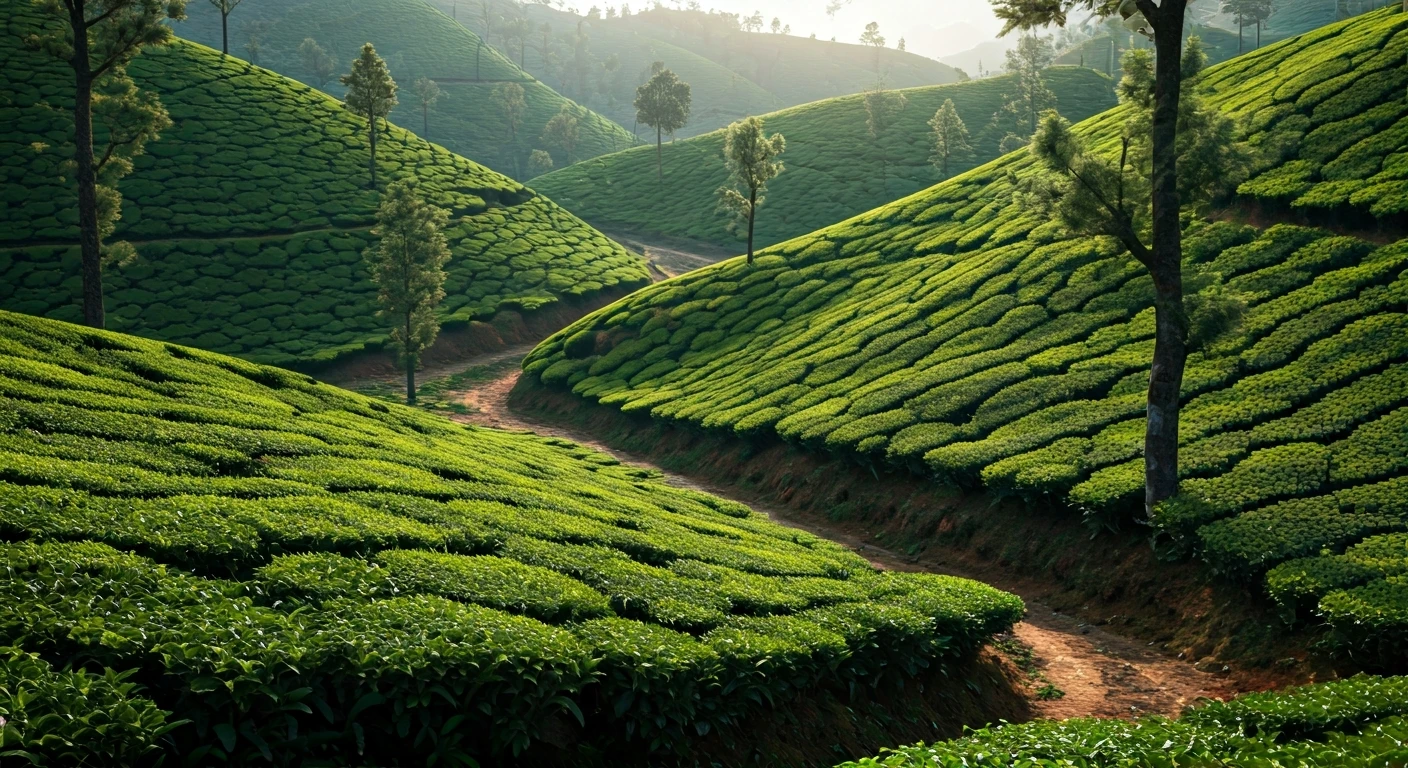
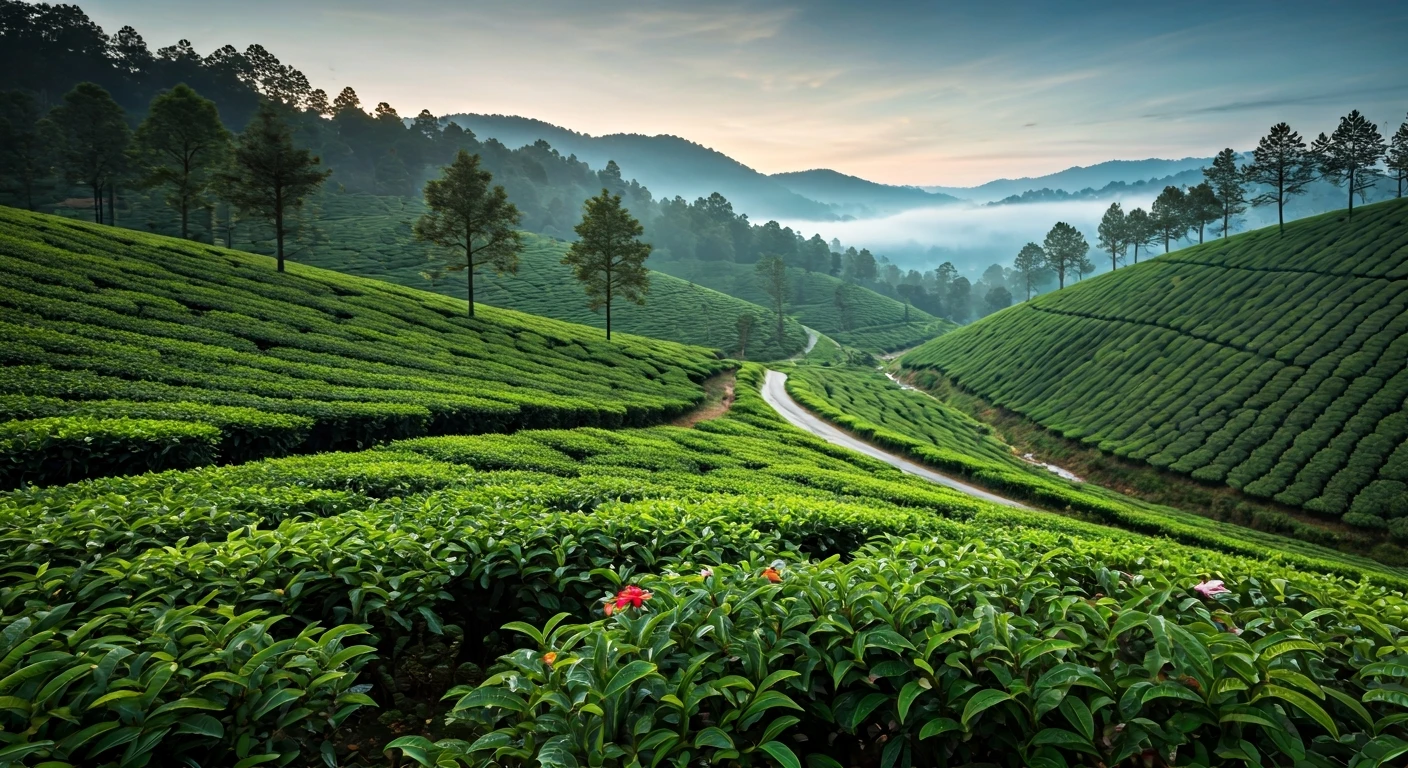
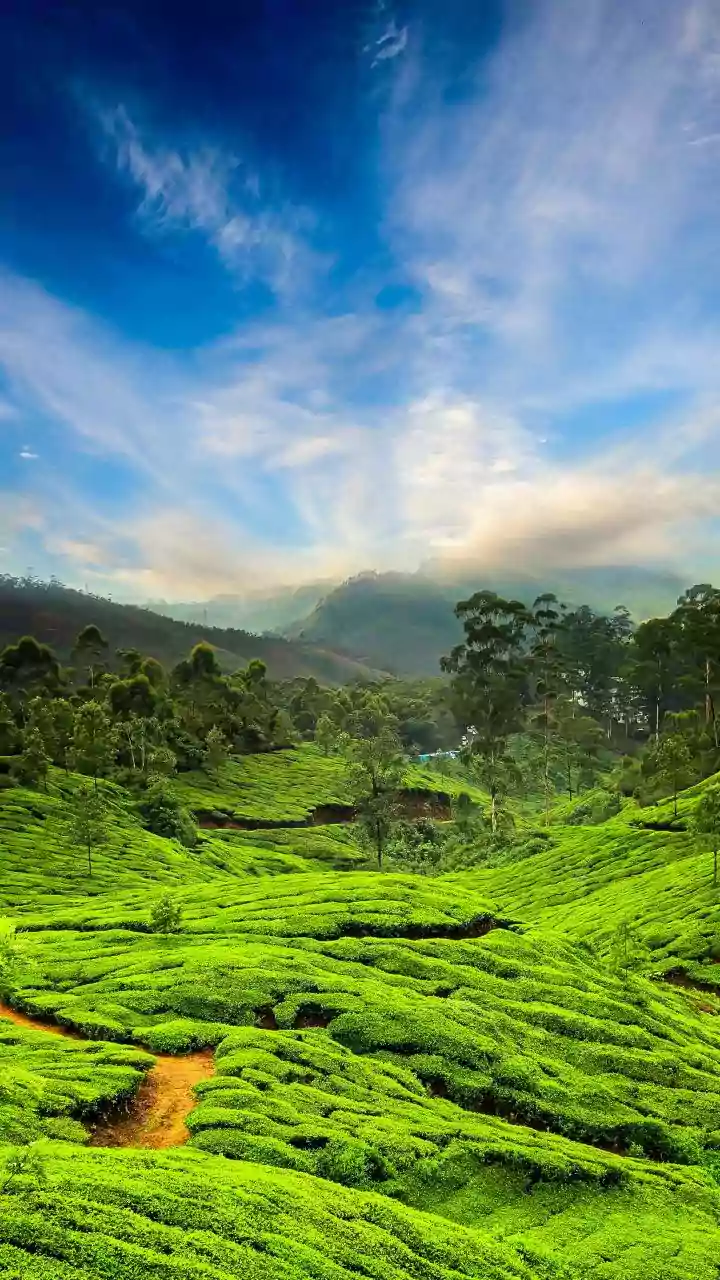
To truly understand Ooty’s soul, you have to taste it. The region is synonymous with tea. Visiting a tea plantation, like the sprawling estates surrounding nearby Coonoor, is essential. Walking through the bright green bushes, watching workers pluck the leaves, and finishing with a tasting session connects you directly to the land and its most famous product. Beyond tea, don’t miss the local bakeries’ “varkey,” a flaky, savory biscuit that is the perfect companion to a hot cup of chai. The cool climate is also ideal for growing English vegetables like carrots, cabbage, and strawberries, which you’ll find fresh in the town’s vibrant markets, adding another sensory layer to the experience of this revitalized mountain escape.