


The Beauty of Doing Almost Nothing
Let’s be honest: when the mercury climbs past 90 degrees, your ambition plummets. The internet is full of well-meaning advice for beating the heat: elaborate frozen cocktail recipes, multi-ingredient smoothies that require a high-speed blender, or homemade
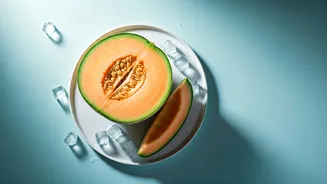
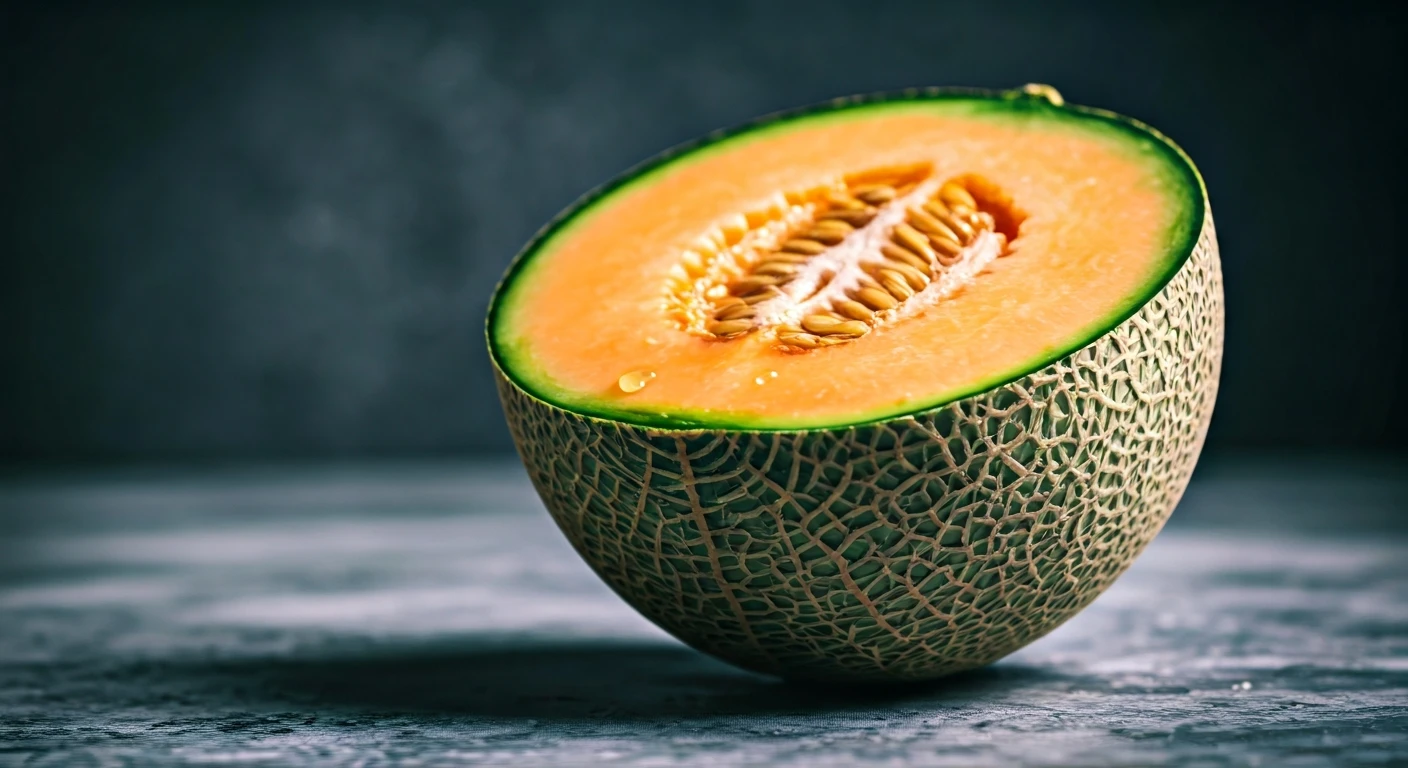
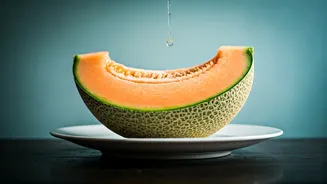
popsicles that won’t be ready for hours. These are all lovely ideas, but they require effort. They require planning. They create dishes. Chilled cantaloupe requires none of that. It is the champion of culinary laziness, the patron saint of immediate gratification. The entire recipe is in the name. You take a cantaloupe. You chill it. You eat it. There is no step three. In a world that constantly pushes us to do more, optimize everything, and turn every meal into an event, the sheer simplicity of a cold slice of melon feels like a quiet rebellion. It’s a snack that asks nothing of you but delivers pure, unadulterated relief.
It's Simple, But It's Also Science
The magic of cantaloupe isn’t just its convenience; it’s rooted in biology. Your body isn’t just craving something cold on a hot day—it’s craving hydration. Cantaloupe is roughly 90% water, making each bite a delicious way to rehydrate. Unlike plain water, it comes with benefits. Cantaloupe is a fantastic source of potassium, a crucial electrolyte that your body loses through sweat. Replenishing electrolytes helps prevent muscle cramps and keeps your internal systems running smoothly during periods of heat stress.
Furthermore, this melon is packed with vitamins A and C, both powerful antioxidants that can help your body deal with the oxidative stress that can accompany sun exposure and high temperatures. So while you’re enjoying that sweet, juicy flavor, you’re also giving your body a functional boost. It’s the rare snack that feels like an indulgence but acts like a vitamin-packed sports drink.
A Minimalist's Guide to Perfection
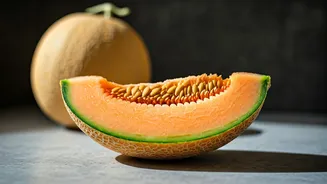
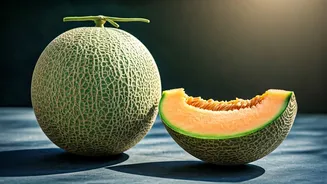
Even the lowest-effort hack has a few best practices. To achieve cantaloupe nirvana, start at the store. A ripe cantaloupe should feel heavy for its size and have a distinct, sweet, and slightly musky smell at the blossom end (the opposite of the stem end). The skin should have a raised, web-like netting over a pale yellow or cream-colored background, not a green one. Avoid melons with soft spots or cracks.
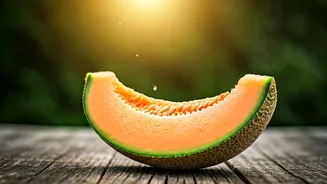
Once you get it home, the chilling process begins. For maximum refreshment, chill the cantaloupe whole in the refrigerator for at least a few hours before cutting. This ensures the flesh is uniformly cold. When you’re ready, slice it open, scoop out the seeds, and cut it into wedges or cubes. The act of cutting into a perfectly chilled melon and feeling the cool burst of fragrance is part of the reward. Store any leftovers in an airtight container in the fridge, but let's be real—there might not be any.
The Low-Effort Upgrade
While cantaloupe needs no help to be delicious, you can elevate the experience with additions that still register a 1 out of 10 on the effort scale. These aren’t recipes; they’re suggestions.
- **A squeeze of lime:** A bit of bright acidity cuts through the sweetness and makes the melon taste even more refreshing.
- **A pinch of salt:** It sounds counterintuitive, but a tiny sprinkle of flaky sea salt enhances the cantaloupe’s natural sweetness and brings out its complex flavor. Bonus: extra sodium to replenish what you’ve sweat out.
- **A crumble of feta cheese:** The salty, briny kick of feta is a classic Mediterranean pairing for sweet melon. The contrast is sublime.
- **A drape of prosciutto:** For a truly classic Italian *antipasto*, wrap a thin slice of salty prosciutto around a sweet piece of cantaloupe. It's a sophisticated, no-cook appetizer that takes about 15 seconds to assemble.