




The Stage: A Ridge Above the Clouds
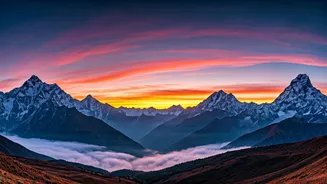
For Americans accustomed to sprawling city parks, The Ridge in Shimla is a fascinating alternative. It isn’t a park but a vast, open-air promenade that serves as the heart of this Himalayan city. Perched at over 7,000 feet, it offers breathtaking, panoramic
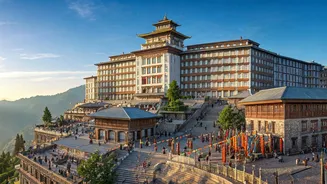
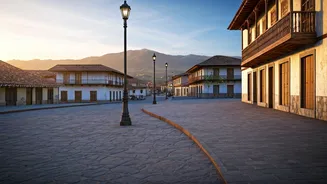
views of the snow-capped mountain ranges that ring the horizon. This isn’t just a pretty spot; it’s the cultural and social hub of Shimla. During the British Raj, when Shimla served as the summer capital of India, this was the place for colonial administrators and their families to see and be seen. Today, its historic character remains, with landmarks like the iconic, neo-Gothic Christ Church and the stately Tudor-style State Library flanking the space. It’s a pedestrian-only zone, making it a beloved gathering place for locals and tourists to stroll, relax, and soak in the unique atmosphere.
A Celebration of Summer’s Arrival
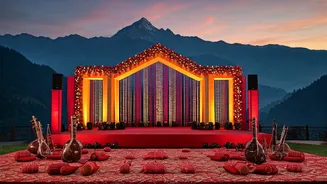
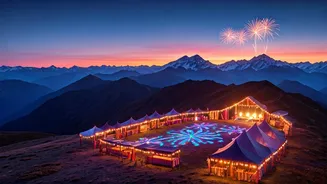
The Shimla Summer Festival, typically held in the first week of June, is a vibrant celebration marking the official start of the peak tourist season. For a city that was literally founded as a cool-weather escape from the scorching plains of India, the arrival of pleasant summer weather is a big deal. The festival transforms The Ridge from a serene viewpoint into a dynamic stage for several days of non-stop activity. Organized by the district administration, it’s a meticulously planned event designed to showcase the best of Himachali culture while also appealing to a modern audience. Far from a sleepy, small-town fair, this is a significant regional event that draws artists, performers, and crowds from all over northern India, turning the entire city into a party.
Sights, Sounds, and Flavors
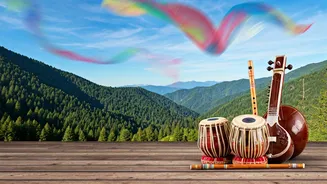
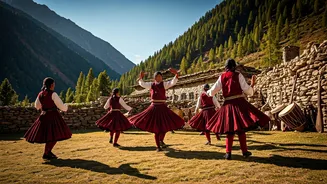
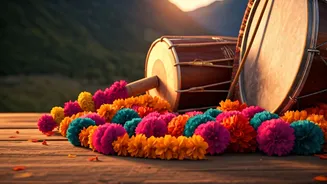
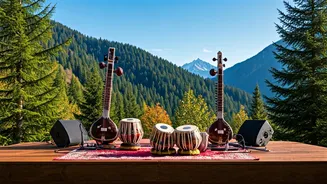
The festival is a full-sensory experience. Days are filled with a kaleidoscope of events. You might see troupes of folk dancers in brightly colored, hand-woven costumes performing the traditional ‘Nati’ dance, their movements synchronized to the rhythm of drums and trumpets. In another corner, a flower show displays an incredible array of regional blooms—rhododendrons, lilies, and marigolds—in intricate arrangements. Local artisans set up stalls selling everything from Kullu shawls, famous for their geometric patterns, to intricate wooden carvings. As evening descends, the main stage lights up. The programming often features a mix of local singers and, to draw bigger crowds, well-known Bollywood performers whose music echoes through the mountain valley. And, of course, there’s the food: vendors offer local delicacies like ‘siddu’ (a steamed bread stuffed with savory filling) alongside the kind of street-food staples beloved across India.
Where Colonial Past Meets a Vibrant Present
What makes the Shimla Summer Festival so captivating is this seamless blend of past and present. The backdrop is pure history—the colonial-era Gaiety Theatre, the grand administrative buildings, the old-world charm of the Mall Road leading up to The Ridge. Yet the energy is entirely contemporary. It’s a place where you can watch a centuries-old folk tradition unfold in the morning and dance to a pop concert in the evening, all while standing on a promenade built for 19th-century British officers. The festival is a living demonstration of how Shimla has evolved. It’s no longer just a relic of the Raj but a thriving Indian city that honors its unique heritage while celebrating its modern identity. The festival vibe isn’t just about having fun; it’s about experiencing this cultural fusion in one of the most beautiful settings imaginable.