



What Exactly Is Kokedama?
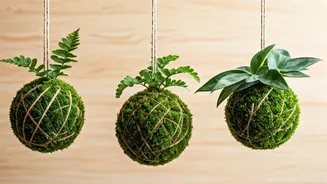
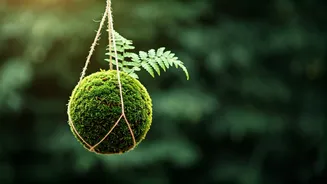
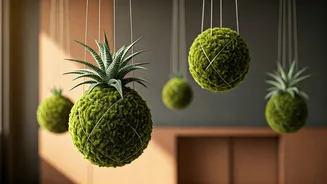
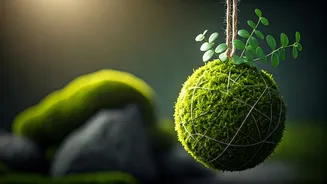
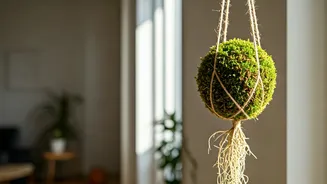
Kokedama, which translates to “moss ball” in Japanese, is a unique and beautiful style of planting. It’s a centuries-old garden art form, considered an offshoot of bonsai, that frees plants from the confines of a traditional pot. Instead, the plant’s
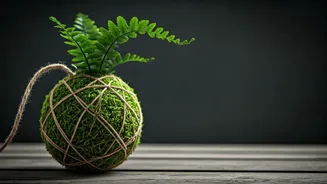
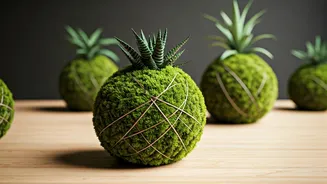
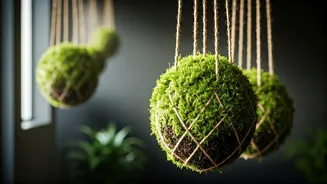
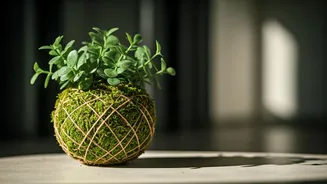
root system is encased in a special soil mixture, wrapped in a blanket of green sheet moss, and bound with string. The result is a self-contained, sculptural sphere of foliage that can be placed on a decorative dish or, more strikingly, hung in mid-air. It embodies the Japanese aesthetic of wabi-sabi, finding beauty in imperfection and nature. This simple, organic presentation allows the plant itself to be the star of the show.
Why It's a Perennial Favorite
While crowning any single project “the best” is tough, kokedama consistently ranks as a favorite for a few key reasons. First, it’s incredibly accessible. Unlike more demanding crafts, it requires no special equipment, just a few simple materials and a willingness to get your hands a little dirty. Second, it’s a perfect solution for small-space gardening, allowing you to create a floating garden indoors. Many find the process itself to be a form of mindfulness—a tactile, meditative experience that connects you with natural materials. It’s a screen-free activity that results in a living piece of art for your home. This blend of affordability, simplicity, and natural beauty makes it a deeply satisfying project for beginners and experienced gardeners alike.
Gathering Your Materials
Before you begin, you’ll need to assemble your toolkit. Most of these items can be found at your local garden center or online. * **The Plant:** Choose a small houseplant that tolerates low-to-medium light and doesn’t require constantly moist soil. Good choices include pothos, snake plants, philodendrons, ferns, and spider plants. Avoid succulents, which dislike the moisture-retentive moss. * **The Soil Mix:** You’ll need a 7:3 ratio of peat moss to a clay-based soil like akadama or bonsai soil. The peat moss holds moisture, while the clay soil gives the ball its structure. * **Sheet Moss:** This will form the outer layer of your kokedama. Preserved moss works well and is easy to handle. * **String or Twine:** Use a natural, sturdy material like jute, hemp, or cotton twine to wrap and secure the moss ball. * **Water:** For mixing the soil and hydrating the final product.
A Step-by-Step Guide to Making Your Kokedama
Ready to create your own living sculpture? Follow these simple steps. 1. **Prepare the Soil:** In a large bowl, combine your peat moss and bonsai soil. Slowly add water and mix with your hands until the mixture has the consistency of thick clay and can be easily packed into a firm ball without crumbling. 2. **Form the Ball:** Take your chosen plant and gently remove it from its nursery pot. Carefully shake off the excess soil, being careful not to damage the roots. Form a ball with your soil mixture that is large enough to contain the plant’s root system. Split the ball in half, place the plant’s roots inside, and re-form the ball firmly around them, ensuring all roots are covered. 3. **Wrap in Moss:** Take your sheets of moss and press them around the soil ball, covering it completely. Don’t worry if it’s not perfect; you’ll secure it in the next step. This outer layer helps retain moisture. 4. **Bind with Twine:** Start wrapping your twine around the moss-covered ball to hold everything together. Crisscross the string in various directions, pulling it taut as you go, until the moss feels secure. Once you’re satisfied, tie it off, leaving a long piece of string if you plan to hang it.
How to Care for and Display Your Creation
Your kokedama is a living thing and needs care to thrive. Watering is the most important part. To water, you’ll submerge the entire ball. Wait until the ball feels lightweight and dry, then place it in a bowl of room-temperature water for 10-15 minutes, or until it’s fully saturated and stops releasing air bubbles. Gently squeeze out any excess water before re-hanging or placing it back on its dish. The frequency will depend on your home’s climate and the plant’s needs, but a good starting point is once a week. Display your kokedama in a spot with indirect light, as direct sun can scorch the moss and the plant’s leaves. You can hang them individually, in groups at varying heights, or set them on a decorative tray for a beautiful, earthy centerpiece.