







The Tyranny of the Perfect Summer
Summer holidays in America are often a masterclass in organized chaos. We build intricate itineraries packed with theme parks, cross-country road trips, and family reunions, all documented for social media. The goal is to maximize every moment, to squeeze
every last drop of fun out of the season. But this relentless pursuit of the “best summer ever” can create a unique kind of burnout. We return to our routines feeling overspent, overstimulated, and in need of a vacation from our vacation. The pressure to perform fun, to create perfect memories on demand, often overshadows the very rest and relaxation we crave.
Nature's Counter-Offer: The Slow Reset
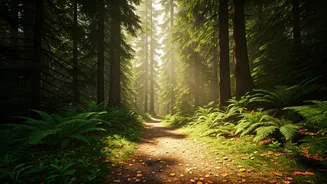
The forest trail offers a powerful counter-narrative. Instead of a schedule, it offers a path. Instead of noise, it offers a soundscape of rustling leaves and birdsong. This is the essence of the “slow reset.” It’s an idea rooted in practices like the Japanese art of *Shinrin-yoku*, or “forest bathing,” which is less about exercise and more about sensory immersion. Studies have shown that spending mindful time in a forest environment can lower cortisol (the stress hormone), reduce blood pressure, and improve focus. It’s not just a walk; it’s a physiological and psychological recalibration. By trading the cacophony of a crowded beach for the quiet cathedral of the woods, you’re giving your nervous system a chance to finally stand down.
How to Find Your Path
The beauty of this reset is its accessibility. You don’t need to book a flight to a national park (though that’s wonderful, too). Your slow reset can begin at a local nature preserve, a state park just outside the city, or even a wooded path in a large municipal park. Websites and apps like AllTrails or the National Park Service site are fantastic resources for finding nearby trails, complete with difficulty ratings, user photos, and reviews. Don't be intimidated by the idea of a “hike.” The goal here isn't to conquer a mountain. A flat, one-mile loop can be just as restorative as a challenging incline. The key is simply to find a place where you can be surrounded by trees and unburdened by traffic.
Leave the Tech, Awaken the Senses
To truly get the benefits of a slow reset, you have to disconnect to reconnect. This is the hardest and most important step. Put your phone on airplane mode or, better yet, leave it in the car. This isn't a time for checking emails, scrolling feeds, or even listening to a podcast. It's a time to engage the senses you’ve been ignoring. Pay attention to the feeling of the breeze on your skin. Listen for the different types of bird calls. Notice the intricate patterns of moss on a fallen log. Touch the rough bark of an oak tree. Smell the damp earth after a rain. By consciously shifting your focus to your immediate sensory environment, you pull your mind away from the endless loop of anxieties and to-do lists, grounding you firmly in the present moment.
It's a Mindset, Not a Marathon
Finally, release yourself from any sense of obligation. This is not another task to check off your wellness list. There’s no right or wrong way to do it. You don't need to walk a certain distance or for a certain amount of time. Maybe you find a comfortable spot and simply sit for twenty minutes. Maybe you walk slowly, stopping frequently to look at a wildflower or a scurrying chipmunk. The goal is presence, not performance. Unlike a workout, where you might track your heart rate and mileage, a forest reset is measured in a feeling of calm, a clearing of the mind, and a renewed sense of perspective. It’s about giving yourself permission to do nothing but be.