



Nature's Hydration Station
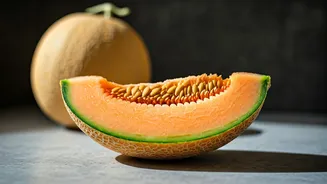
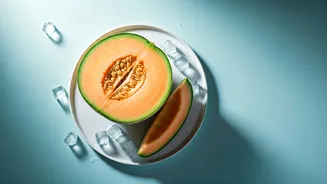
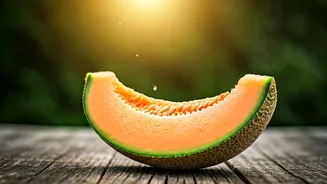
The most obvious reason cantaloupe feels so refreshing is its water content. The melon is composed of about 90% water, making each bite a delicious way to rehydrate. When you're sweating under the summer sun, you're losing fluids rapidly. While drinking
a glass of water is essential, eating your water can be just as effective and a lot more satisfying. Think of it this way: a cup of cubed cantaloupe delivers almost as much water as a small glass, but it comes packaged with fiber, vitamins, and a naturally sweet flavor that feels like a treat. This combination of hydration and light nutrition makes it a far smarter choice than a sugary soda or sports drink when you're just trying to cool down and replenish.
The Secret Ingredient: Electrolytes
Here's where the “edible AC” claim really gets its legs. Cantaloupe isn’t just water; it’s a powerhouse of potassium, a crucial electrolyte. When you sweat, you don't just lose water—you lose electrolytes like potassium and sodium that are vital for muscle function and maintaining your body's fluid balance. A lack of these minerals is what leads to that sluggish, drained feeling on a hot day. A single cup of cantaloupe can provide around 10% of your daily potassium needs. This helps your body manage its internal hydration system more efficiently, essentially helping you cool down from the inside out. It’s this one-two punch of water for volume and potassium for function that makes cantaloupe so uniquely effective at combating the summer swelter.
How to Pick a Perfect One
All this is useless if you bring home a hard, flavorless melon. Picking a great cantaloupe is an art, but it's one you can master easily. First, ignore the stem—a clean break doesn't mean much anymore with modern harvesting. Instead, focus on three key things. First, the color: look for a rind that is more beige or creamy-yellow than green. Green tones mean it was picked too early. Second, give it a sniff. The blossom end (opposite the stem scar) should have a noticeably sweet, floral fragrance. If it smells like nothing, it will taste like nothing. If it smells slightly funky or alcoholic, it's overripe. Finally, pick it up. A good cantaloupe should feel heavy for its size, which indicates high water content and juicy flesh.
Beyond the Basic Wedge
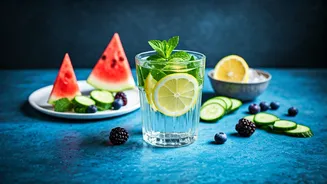
While a simple, cold wedge of cantaloupe is hard to beat, a little prep can elevate its cooling power. For an instant slushie, freeze cubes of cantaloupe and blend them with a squeeze of lime juice and a splash of water or coconut water. For a sophisticated appetizer, wrap thin slices of prosciutto around chilled melon chunks; the saltiness of the meat perfectly complements the melon’s sweetness and enhances its hydrating properties. You can also create cantaloupe-infused water by adding cubes to a pitcher and letting it sit in the fridge for a few hours. This gives you a subtly flavored, ultra-refreshing drink. Or, go for a chilled cantaloupe soup by blending the flesh with a bit of mint and yogurt for a genuinely cooling meal that requires zero cooking.