



1. Become a Seed Saver
The most sustainable and cost-effective way to get seeds is to harvest them from your own garden. At the end of each growing season, let a few of your healthiest and most productive plants go to seed. This works wonderfully for open-pollinated and heirloom
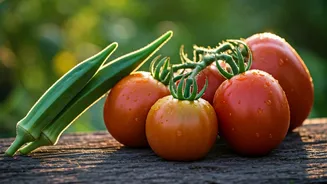
varieties of plants like tomatoes, beans, peas, peppers, and zinnias. To save tomato seeds, for example, simply scoop the pulp into a jar of water, let it ferment for a few days to remove the gel coating, then rinse and dry the seeds on a paper towel. For beans and peas, let the pods dry on the plant until they are brittle and rattle. Store your dried seeds in a cool, dark, and dry place in labeled paper envelopes. Over time, you'll be selecting for plants that perform best in your specific microclimate, creating a truly personal and resilient garden.
2. Explore Your Local Seed Library
Did you know that many public libraries now offer more than just books? Seed libraries are a growing movement across the U.S., operating on a simple and beautiful principle: you “check out” seeds for free at the beginning of the season, grow them, and then “return” seeds from your harvest at the end of the year. This not only gives you free access to a wide variety of seeds, but it also helps preserve regional biodiversity and connect you with a community of local gardeners. These collections often feature heirloom varieties and native plants perfectly suited to your area. A quick search for “seed library near me” or a call to your local public library is the best way to find out if there's one in your community.
3. Get Strategic with Grocery Store Produce
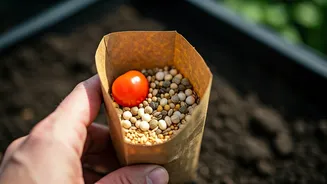
Your kitchen can be an unexpected source of seeds, but this method requires a bit of strategy. Seeds from organic, open-pollinated produce are your best bet. Think bell peppers, heirloom tomatoes, or squash from the farmers market. Simply scoop out the seeds, clean them, and let them dry completely before attempting to plant. Be aware, however, that most conventional supermarket produce comes from hybrid plants. While you can certainly sprout a seed from a hybrid tomato, the resulting plant and its fruit may not resemble the parent at all—it's a genetic lottery. It’s a fun experiment, but not a reliable method for specific varieties. Stick to organic and heirloom produce for the most predictable results.
4. Attend a Seed Swap
Seed swaps are community events where gardeners come together to share and trade seeds. They are treasure troves for anyone looking to diversify their garden on a budget. You’ll find fellow enthusiasts eager to share their favorite varieties and the stories behind them. Often hosted by garden clubs, community gardens, or university extension programs in late winter or early spring, these events are a fantastic way to acquire locally adapted seeds for free or for a very small donation. Even if you don’t have seeds to trade your first time, many swaps allow you to take seeds for a small fee, or sometimes just for the promise of bringing some back next year. You’ll leave not just with seeds, but with valuable local growing advice.
5. Buy Smarter, Not Cheaper
While this isn't free, a strategic approach to buying can dramatically lower your cost-per-seed. First, resist the glossy, individual packets at the front of the store. Instead, look for bulk seed suppliers online, where you can often buy a larger quantity for the same price as a small packet. If you don't need a thousand lettuce seeds, consider splitting a bulk order with friends or neighbors. Second, shop the sales. Many seed companies offer significant discounts at the end of the planting season (late spring and summer) to clear out inventory. Most seeds remain viable for several years if stored properly, so you can stock up for the future at a fraction of the cost.