





What Exactly Is Jojoba Oil?
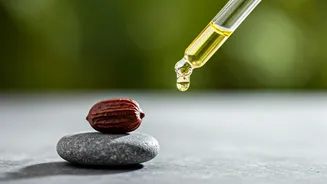
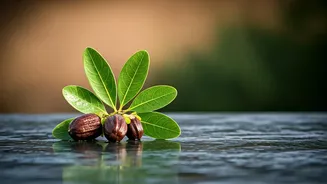
First, a fascinating bit of science: jojoba (pronounced ho-ho-ba) oil isn’t technically an oil. It's a liquid wax ester extracted from the seeds of the Simmondsia chinensis shrub, which is native to the deserts of Arizona, California, and Mexico. This
distinction is more than just a fun fact—it's the key to its unique benefits. Unlike true oils like coconut or olive oil, which can feel heavy and sit on top of the hair, the waxy structure of jojoba is remarkably similar to the natural oils our own bodies produce.
The Secret to Its Power
The magic of jojoba oil lies in its molecular mimicry. Its composition is incredibly close to that of sebum, the natural oil produced by our scalps to moisturize and protect our skin and hair. Because the two are so similar, your scalp and hair follicles recognize jojoba oil and allow it to absorb quickly and deeply without clogging pores or leaving a greasy residue. This means it can deliver moisture where it's needed most—at the root and within the hair shaft—rather than just coating the surface. It works in harmony with your body, helping to balance oil production. For those with oily scalps, it can signal that enough sebum is present, potentially reducing overproduction. For dry scalps, it provides much-needed, non-irritating moisture.
Real Benefits for Scalp and Strands
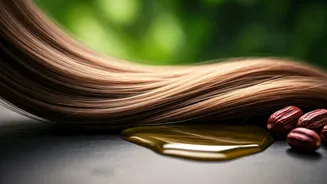
So, what can you actually expect? The primary benefit of jojoba oil is moisturization. A healthy, moisturized scalp is the foundation for healthy hair. By soothing dryness and reducing flakes, jojoba oil creates a better environment for your hair to thrive. It's not a magic hair growth stimulant, but by preventing breakage and conditioning the scalp, it supports healthy growth cycles. For the hair itself, jojoba oil helps seal the cuticle, which adds shine and reduces frizz. It can also strengthen the hair shaft by filling in cracks in the cuticle, making it more resilient against damage from heat styling and environmental stressors. The result is hair that feels softer, looks shinier, and is less prone to split ends and breakage.
How to Add It to Your Routine
Incorporating jojoba oil is simple, and you can tailor it to your needs. 1. **Scalp Treatment:** For a dry or flaky scalp, warm a tablespoon of jojoba oil and gently massage it into your roots for several minutes. Let it sit for 20 minutes (or even overnight) before shampooing out. This helps dissolve sebum buildup and moisturize the skin. 2. **Pre-Shampoo Protector:** Before washing, apply a light coating of jojoba oil from the mid-lengths to the ends of your hair. This protects your fragile ends from being stripped of their natural oils by shampoo. 3. **Leave-In Conditioner:** After showering, rub 2-3 drops of oil between your palms and scrunch it into the ends of damp hair to seal in moisture and fight frizz as it dries. 4. **Conditioner Boost:** Add a few drops of jojoba oil to your favorite conditioner in your palm before applying. This enhances its moisturizing properties without weighing your hair down.
What to Look for When Buying
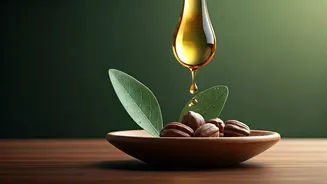
Not all jojoba oils are created equal. To get the most potent benefits, you'll want to look for a product that is 100% pure, cold-pressed, and unrefined. Cold-pressing ensures that the delicate nutrients and fatty acids in the oil haven't been degraded by heat during the extraction process. An unrefined oil will have a rich golden color and a mild, nutty scent. Refined versions are often clear and odorless, but they’ve been stripped of some of the beneficial compounds you’re looking for. Always check the ingredient list to ensure there are no additives, fragrances, or carrier oils mixed in.