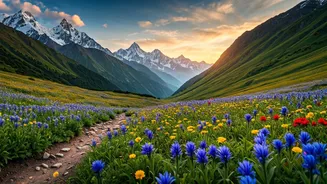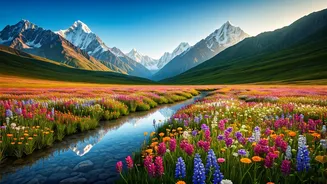


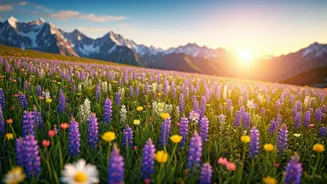
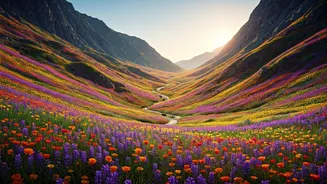
The Place Where Heaven Blooms
We’re talking about the Valley of Flowers National Park in Uttarakhand, a northern state in India often called “Land of the Gods” for its staggering mountain scenery and spiritual significance. A UNESCO World Heritage Site, this alpine meadow is a place
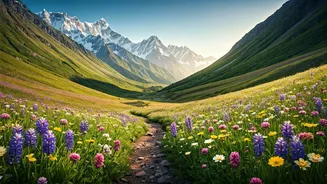
of legend, believed to be the spot where the Hindu deity Hanuman collected a life-saving herb. For trekkers, it’s a bucket-list destination, but one with a catch. Unlike a trip to the Grand Canyon or Yosemite, you can’t just show up whenever. The Valley of Flowers is a spectacle orchestrated by the monsoon. For most of the year, it lies dormant under a thick blanket of snow. But when the ice melts and the summer rains arrive, it explodes into a carpet of over 500 species of wildflowers, from blue poppies and primulas to orchids and marigolds. Miss this window, and you’ve missed the show.
The Monsoon Window: Peak Beauty, Real Challenges
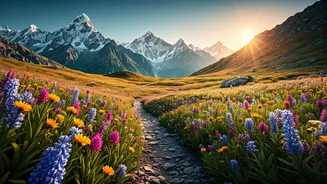
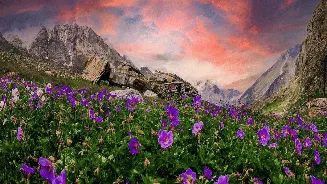
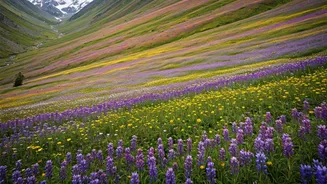
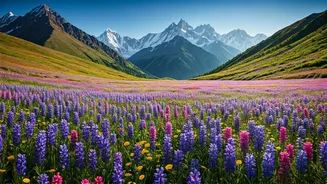
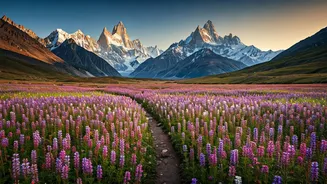
The absolute prime time to visit is from mid-July to mid-August. This is when the valley is at its most riotously colorful. The air is thick with the scent of damp earth and blossoms, and the landscape is a surreal wash of purple, yellow, and pink against a backdrop of misty grey peaks and cascading waterfalls. This is the experience you see in photographs, the one that justifies the long journey. But trekking during the Indian monsoon is not for the faint of heart. You will get wet. Your gear will get wet. The trail can be slick with mud, and you’ll want to pack leech socks (yes, really). The heavy cloud cover that nourishes the flowers often obscures the towering peaks that surround the valley. Landslides are also a real risk on the roads leading to the trailhead, sometimes causing delays of hours or even days. It’s a trade-off: to see the valley at its most beautiful, you must embrace the very conditions that create that beauty.
The Shoulder Seasons: A Different Magic
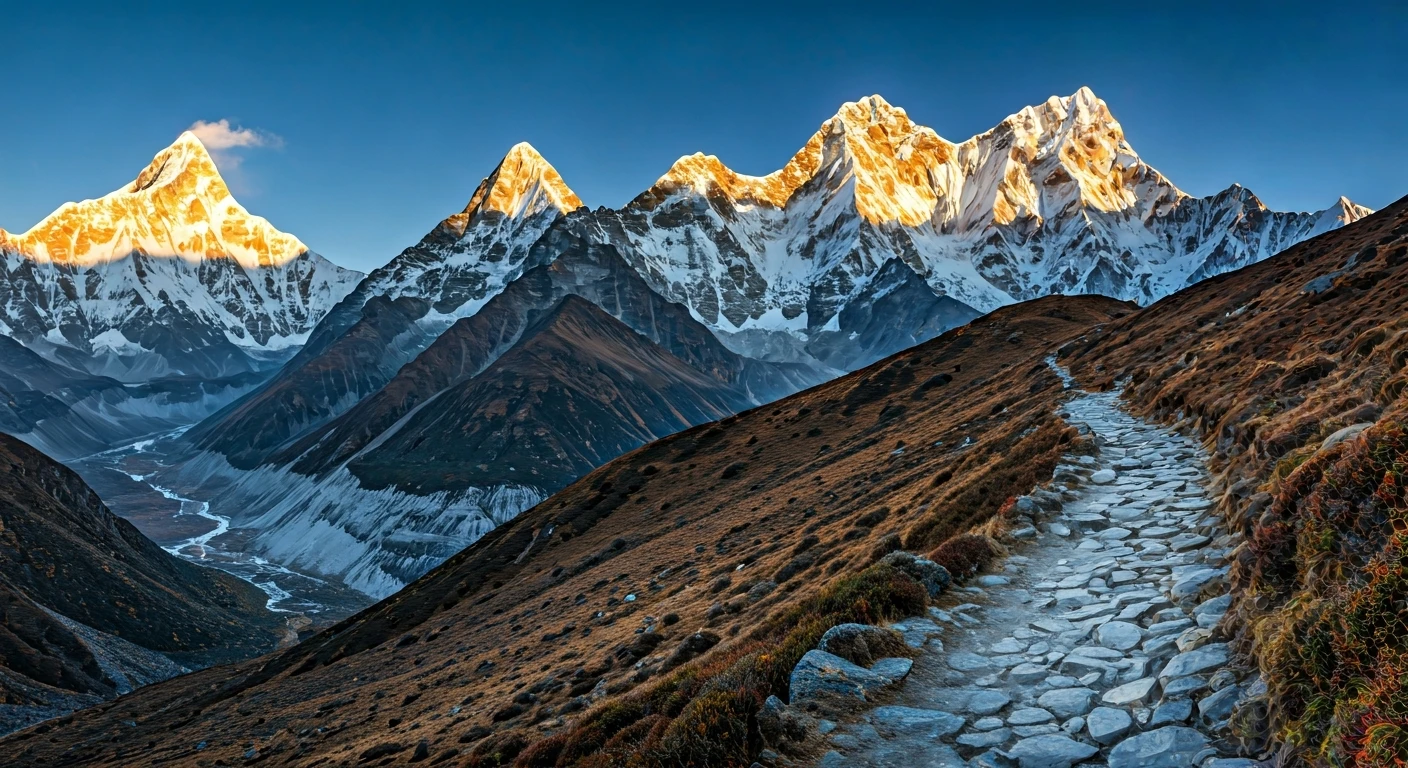
So, what if you’re rain-averse? You can aim for the “shoulder seasons” in late June or early September, but you’ll get a very different experience. In late June, the monsoon is just arriving. The valley will be greener, the crowds thinner, and you might get lucky with clearer skies. However, the floral bloom will be in its infancy, with only a fraction of the species on display. You’ll see patches of color, not the full carpet. In September, the rains have subsided, and the air becomes crisp and clear. This is arguably the best time for mountain views, as peaks like Nilgiri Parvat are finally revealed. But the flowers are on their way out, their vibrant colors fading to the muted tones of autumn. You trade the floral spectacle for panoramic Himalayan vistas. Neither is the “wrong” choice, but it proves the point: the trek you get is entirely determined by the month you book your flight.
From the U.S. to the Valley: A Practical Path
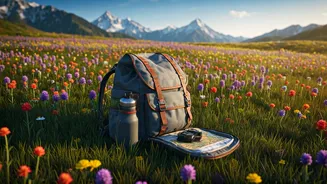
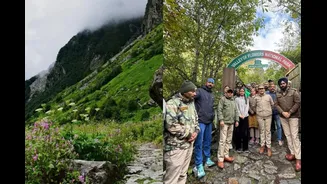
Making this journey from the United States feels epic, but it's more achievable than you might think. The typical route starts with a flight into New Delhi (DEL). From there, you can take an overnight train or a short flight to the state of Uttarakhand. The adventure truly begins in the city of Rishikesh, the world’s yoga capital, where you’ll arrange for a vehicle for the long, winding drive into the mountains. The road ends at the village of Govindghat. From here, it's all on foot. You’ll trek for about 8 miles to the bustling base camp village of Ghangaria, where you’ll spend the night. The next morning, it’s a relatively gentle 3-mile walk into the Valley of Flowers itself. You’ll need a permit, which is easily obtained at the entrance to the park. While you can do it independently, hiring a local guide or going with a reputable trekking company is highly recommended for logistics, safety, and navigating the often-changing trail conditions.