
First, What Is Paan?
Before you can appreciate the dessert, you have to understand the original. Paan is a traditional chew found throughout South and Southeast Asia, typically enjoyed after a meal. At its most basic, it’s a fresh betel leaf folded into a small triangular
parcel, filled with a variety of ingredients. The classic combination often includes chopped areca nut (which has a mild stimulant effect), slaked lime paste, and sometimes tobacco. But the paan universe is vast and varied. The more palate-friendly, dessert-adjacent version is 'meetha paan' (sweet paan). This version skips the tobacco and often the areca nut, loading up instead on fragrant, flavorful fillings. The star ingredient is often 'gulkand,' a sweet preserve of rose petals. Other common additions include brightly colored candied fennel seeds (saunf), desiccated coconut, dates, and cardamom. It’s a flavor explosion in one small package: minty, floral, sweet, and anise-like, designed to act as a mouth freshener and digestive aid. It’s this complex, refreshing profile that chefs and home bakers are now creatively deconstructing.
From Leaf to Cheesecake
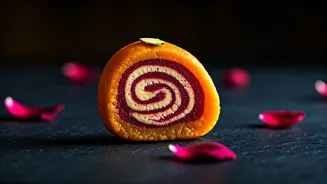
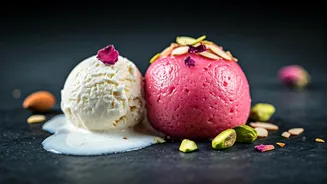
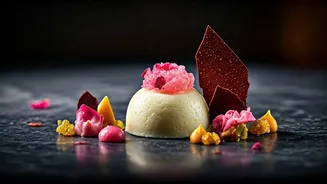
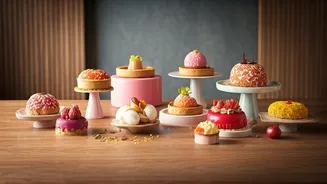
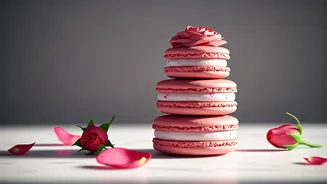
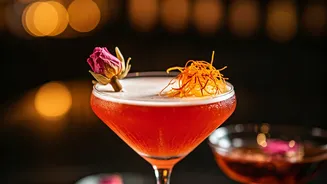
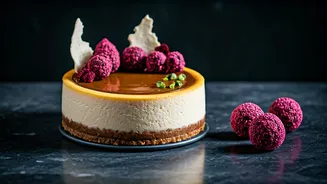
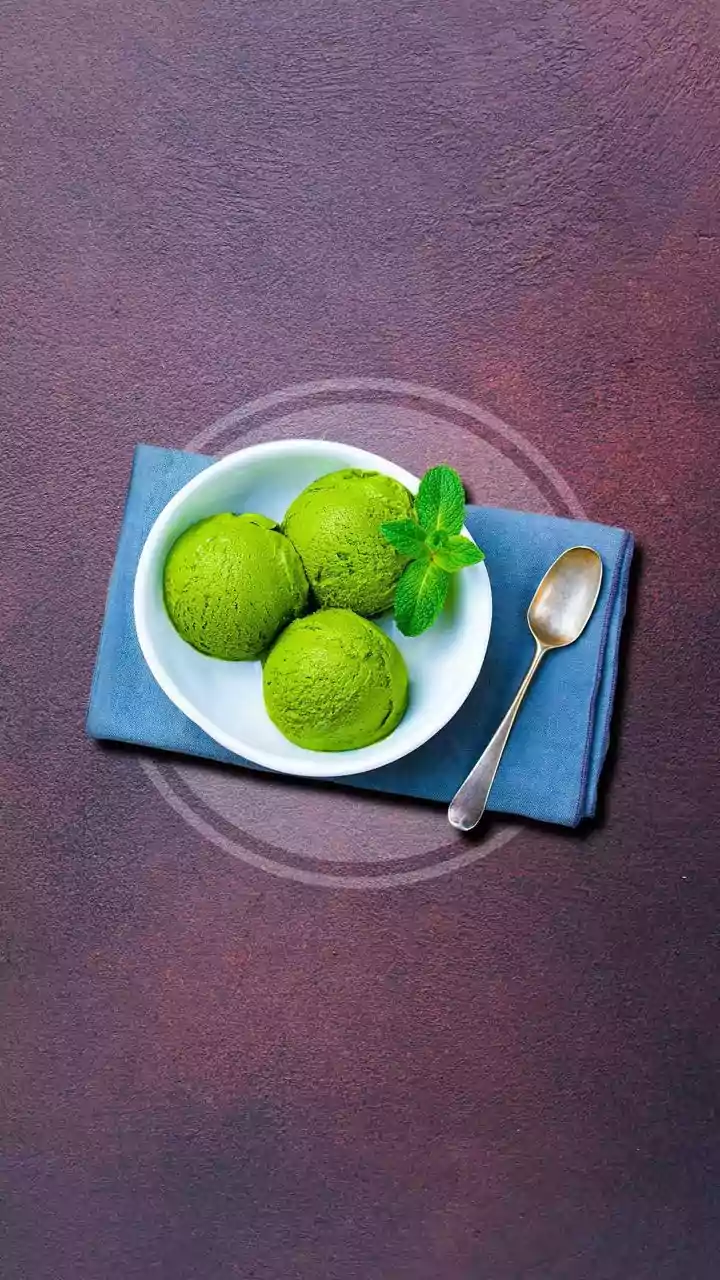
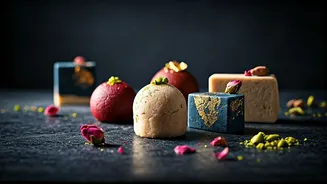
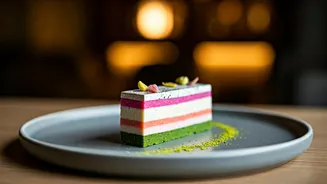
So how does a leafy, hand-folded chew become a party-worthy dessert? The magic is in the translation. Innovators are isolating the core flavors of meetha paan—rose, fennel, cardamom, and the unique herbal freshness of the betel leaf itself—and infusing them into familiar, beloved dessert formats. These new creations offer the nostalgic essence of paan without the potentially divisive texture or act of chewing a leaf. You’ll now find paan-flavored ice cream, with its creamy base swirled with gulkand and dotted with crunchy fennel seeds. There are paan truffles, where a dark or white chocolate shell gives way to a ganache infused with paan essence. Ambitious bakers are whipping up paan cheesecakes, paan macarons, and even paan-flavored panna cotta. These sweets capture the spirit of the original—that iconic cool, floral, and slightly spicy finish—but deliver it in a form that’s both more accessible and undeniably more elegant for a modern dessert spread.
The 'Flex' Factor
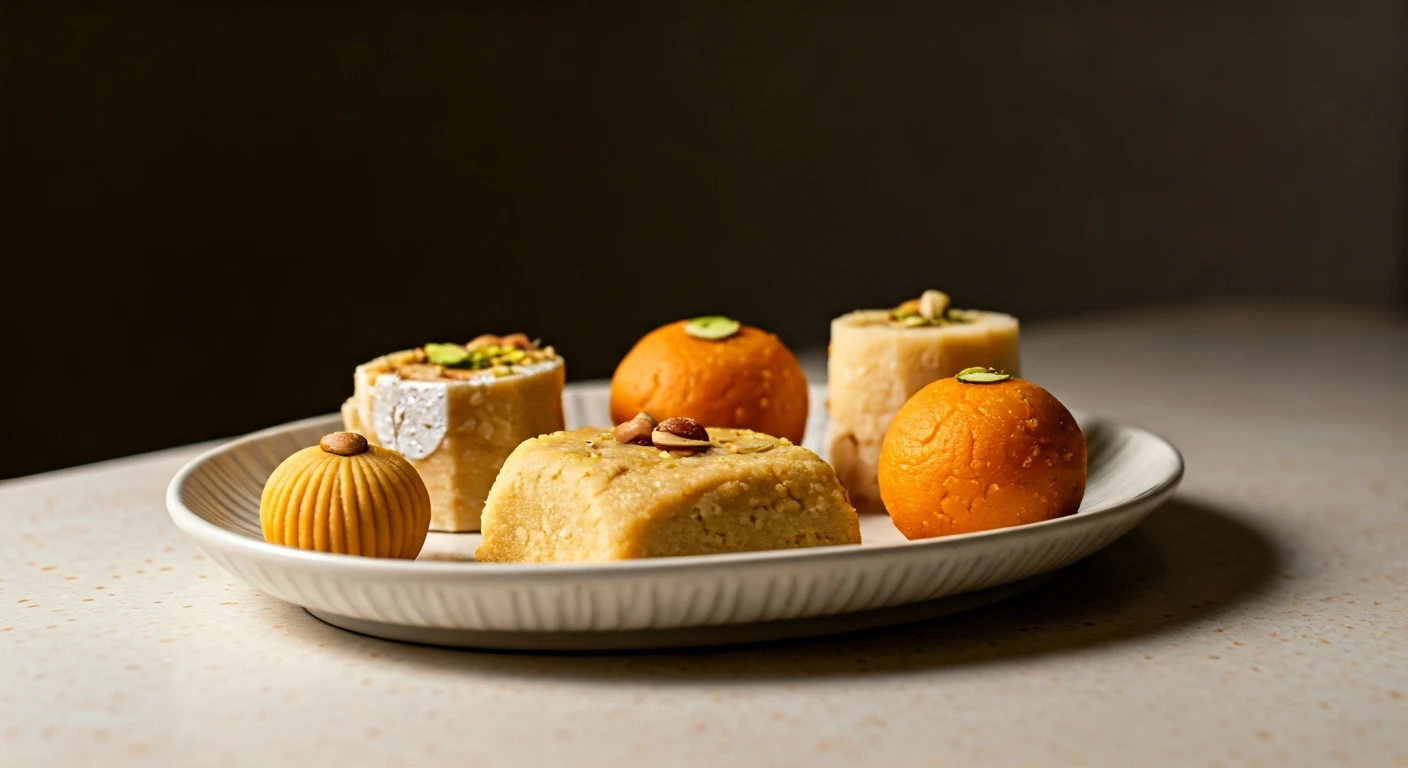
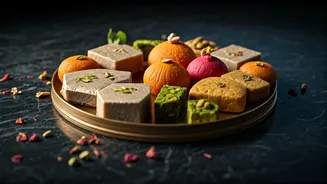
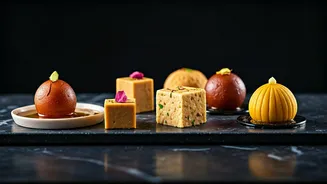
Serving paan-inspired sweets is more than just a culinary choice; it's a statement. For hosts within the South Asian diaspora, it’s a nod to heritage served with a modern twist. It’s a way of sharing a piece of their culture that feels both authentic and contemporary, bridging the gap between their parents’ generation and their own. It says, “I have great taste, and my culture is cool.” For guests of any background, it’s an immediate conversation starter. It’s unexpected, intriguing, and demonstrates a host’s thoughtfulness and culinary adventurousness. In a sea of standard brownies and cookies, a tray of shimmering green paan ladoos (sweet balls) or a meticulously crafted paan parfait stands out. It signals that you’re at a gathering that values creativity and flavor exploration. This is the 'flex': offering an experience that is at once deeply traditional and thrillingly new, making your party memorable long after the last bite.
Finding the Flavor
As the trend grows, these inventive sweets are becoming easier to find. Your best bet is to explore modern Indian restaurants and specialty 'mithai' (sweet) shops, especially in cities with large South Asian populations. Many of these businesses are at the forefront of this fusion movement, experimenting with new forms and flavors. Online bakeries and dessert shops specializing in South Asian fusion have also popped up, shipping their creative confections nationwide. A quick search on Instagram for hashtags like #paandessert or #paanfusion will reveal a vibrant world of small-scale creators pushing the boundaries. And for the truly ambitious, recipes for paan ice cream and truffles are readily available online, using easy-to-find ingredients like paan essence and gulkand, which can be purchased at most Indian grocery stores or online. Whether you buy or DIY, getting a taste of this trend is more accessible than ever.